Subcision for Acne Scars in Bangkok
A Complete Medical Guide to Rolling Scars, Fibrous Tethering, Cannula Techniques and Skin Remodeling
Why some depressed acne scars do not respond adequately to laser alone—and how carefully selected subcision may help release the fibrous bands responsible for persistent skin depressions.
Doctor-assessed acne scar treatment • Sukhumvit 16, Bangkok • Complimentary consultation
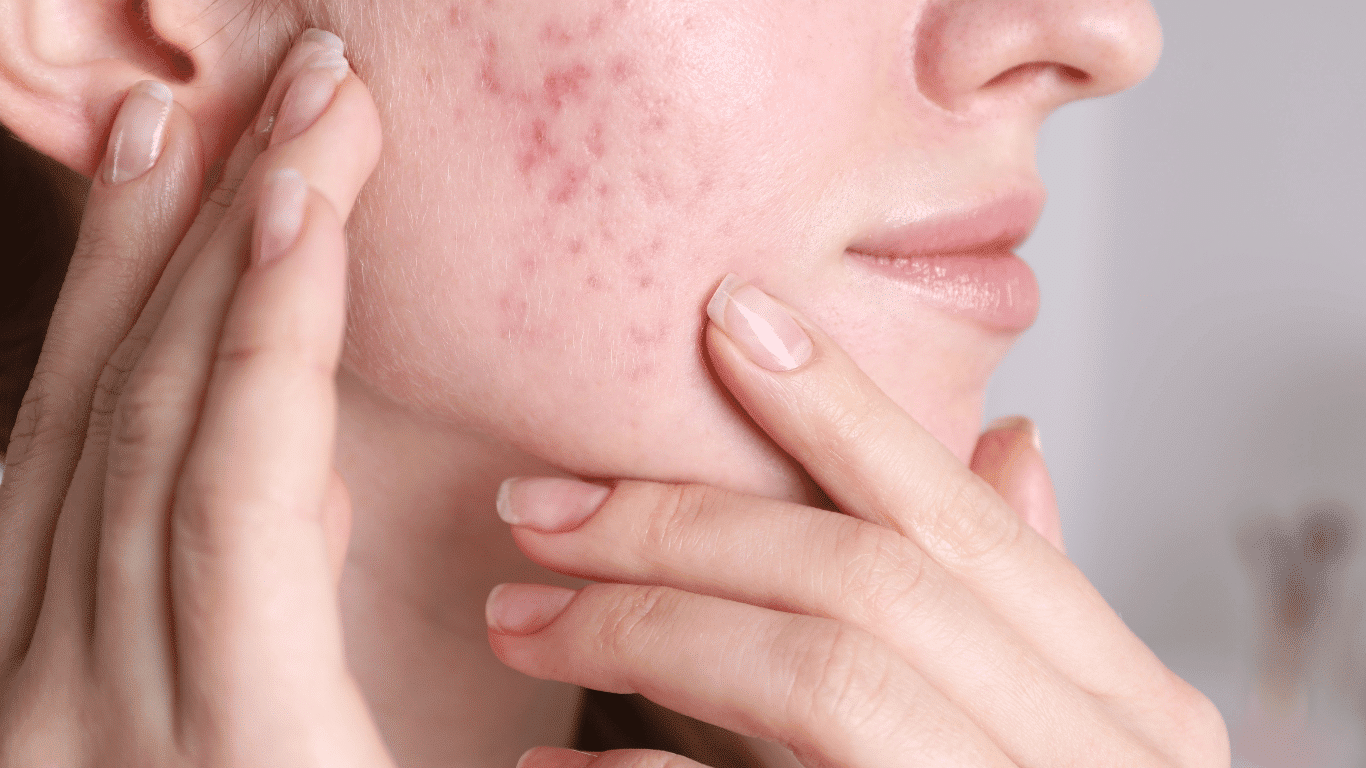
 BAC Clinic acne scar educational illustration
What Is Subcision for Acne Scars?
Subcision is a minimally invasive medical procedure designed to release fibrous bands beneath depressed acne scars. These fibrous attachments can pull the skin downward, producing persistent indentations that remain visible even after conventional resurfacing treatments.
By releasing selected tethering bands beneath the skin, subcision can allow the scar base to rise toward the surrounding tissue. The controlled healing response may also contribute to collagen remodeling over the following weeks and months.
The procedure is particularly relevant for rolling acne scars and certain tethered boxcar scars. However, it is not appropriate for every scar type, and it does not guarantee complete correction. At BAC Clinic, treatment selection is based on the physical structure of each scar rather than assuming that every depression requires the same procedure.
1. Why Do Acne Scars Form?
Acne scars develop when inflammation damages the normal structural framework of the skin. Healthy dermal tissue contains collagen, elastin, extracellular matrix components and supporting structures that help maintain an even surface. When inflammatory acne disrupts this architecture, healing may produce an irregular arrangement of connective tissue or leave insufficient dermal support.
The visible result depends on the severity and depth of the original inflammation, individual healing biology, skin thickness and the mechanical forces acting beneath the scar. Some patients develop narrow holes, others develop broad depressions, and some experience a combination of scars, enlarged pores and post-inflammatory discoloration.
A key distinction is the difference between volume loss and fibrous tethering. Volume loss means that supporting dermal tissue has been reduced. Fibrous tethering means scar-like connective tissue creates tension that mechanically anchors the skin to deeper structures. These problems can coexist, but they are not identical and do not necessarily respond to the same intervention.
This distinction helps explain why repeated laser treatments can improve skin texture yet leave certain deep depressions largely unchanged. A laser may stimulate remodeling, but it may not sufficiently release strong mechanical attachments beneath a rolling scar.
What Lies Beneath a Depressed Acne Scar?
The visible indentation may be maintained by fibrous attachments below the surface.
Fibrous Tethering
Scar-related connective tissue pulls the dermal surface downward, producing a depression.
Reduced Downward Tension
The scar base may rise after selected attachments are released. Additional remodeling can continue during healing.
Simplified educational illustration. The actual tissue layers, instrument position and results differ between patients.
2. How Does Subcision Work Beneath the Skin?
The word subcision is commonly associated with subcutaneous incisionless surgery, a technique introduced into medical literature for treating depressed scars and wrinkles. Unlike surface resurfacing, subcision works beneath the affected scar. A trained physician introduces an appropriate sterile instrument through an entry point and mechanically releases selected fibrotic attachments.
The procedure addresses a structural problem. Imagine fabric secured to a surface by tight internal threads. Smoothing the fabric from above cannot fully correct the indentation while those threads remain attached. Releasing the restrictive threads may allow the fabric to return toward a more level position. Depressed scars can behave similarly, although human skin has complex biological and anatomical properties that make outcomes variable.
Improvement from subcision can involve several mechanisms. First, mechanical release reduces restrictive force beneath a tethered scar. Second, the newly released tissue may occupy a less depressed position. Third, the subsequent wound-healing process may lead to connective tissue deposition and reorganization. These mechanisms occur at different stages; early visible elevation can reflect both tissue release and temporary swelling.
Release → Reposition → Remodel
Release
Selected restrictive bands beneath the scar are separated using a suitable sterile instrument.
Reposition
With some of the downward tension removed, the depressed scar base may sit closer to the surrounding skin level.
Remodel
The tissue-healing response continues over time and may contribute to improvement in scar appearance.
Subcision should not be confused with completely noninvasive treatments. It involves entering tissue and carries risks such as bruising, bleeding, swelling, infection, pigment changes and irregular healing. The objective is controlled, appropriate release—not maximum disruption of tissue. The anatomical location, tissue plane, choice of instrument and physician’s technique are important determinants of safety.
3. Which Acne Scar Types Respond Best to Subcision?
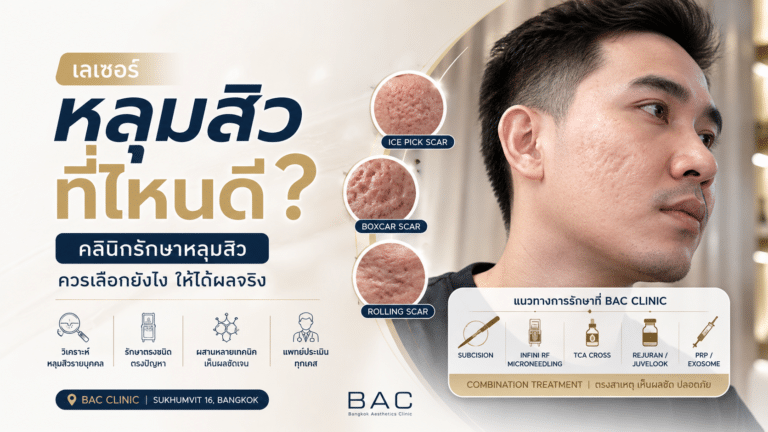
Not all acne scars are produced by the same underlying mechanism. The three commonly described forms of atrophic acne scars are rolling, boxcar and ice-pick scars. A patient may have all three types on the same face, and the visible appearance of a scar does not always reveal whether fibrous tethering is present.
Three Scar Types — Different Treatment Needs
Rolling Scars
Most RelevantBroad depressions with sloping edges and a wave-like appearance. Fibrous tethering is frequently involved.
Common approach: Subcision, with remodeling or volume support when indicated.
Boxcar Scars
Selected CasesRound or angular depressions with relatively defined borders. The depth and degree of tethering determine treatment.
Common approach: RF microneedling, focal treatments or subcision for tethered bases.
Ice-Pick Scars
Usually Not PrimaryNarrow, deep and sharply defined openings that extend downward through the skin.
Common approach: TCA CROSS or other physician-selected focal reconstruction.
Rolling Acne Scars
Rolling scars often create an uneven, undulating contour across the cheeks or temples. The edges may appear relatively smooth, but the broad depression can produce prominent shadows under overhead or angled lighting. Because tethering is commonly involved, these scars are among the strongest indications for subcision.
Nevertheless, scar depth alone does not determine success. A broad depression caused mainly by volume loss may require additional structural support. Some rolling scars have both tethering and insufficient dermal volume, so release alone may leave a residual depression despite technically successful treatment.
Boxcar Acne Scars
Boxcar scars have more defined borders and may be shallow or deep. Their appearance varies significantly, which is why treating all boxcar scars with the same method is rarely ideal. A shallow boxcar scar without substantial tethering might respond better to collagen remodeling than to surgical release. Conversely, a broad boxcar scar with a visibly anchored base may benefit from subcision.
The physician should examine the scar under directional lighting, evaluate surrounding skin tension and consider whether the base is mechanically restricted. For selected sharply edged scars, another focal method may be more appropriate than expanding the area of subcision.
Ice-Pick Acne Scars
Ice-pick scars are characteristically narrow and deep. They are not usually explained by the same broad fibrous tethering that makes rolling scars responsive to subcision. For this reason, subcision alone is generally not the first-line procedure for isolated ice-pick scars.
At BAC Clinic, appropriate narrow and deep scars may be assessed for TCA CROSS, a focal chemical reconstruction technique. This treatment has a different mechanism and recovery profile. Small crusts may form and commonly take approximately seven to ten days to separate. Picking or prematurely removing these crusts can increase the risk of pigment changes and additional scarring.
4. How Does the Doctor Identify Fibrous Tethering?
A proper acne scar assessment should examine the skin from several angles rather than relying entirely on photographs or automated skin-analysis scores. Directional light can help reveal the true contour of shallow and deep scars. The physician may also evaluate how particular depressions behave when the adjacent skin is gently stretched or repositioned.
Palpation, scar location, previous procedures, skin thickness and clinical history provide additional clues. However, no single observation establishes that every depression is tethered. A comprehensive evaluation is particularly important for people who have undergone several laser sessions with limited improvement.
The assessment should also differentiate scars from active acne lesions, enlarged pores, persistent redness and post-inflammatory hyperpigmentation. Pigmentation can make a depression appear more severe than its actual structural depth, while uneven lighting can exaggerate minor texture irregularities. Recognizing these factors prevents unnecessary procedures and helps patients develop realistic treatment goals.
Release scars that are tethered. Remodel scars with insufficient dermal support. Reconstruct appropriately selected narrow, deep scars. Address pigmentation as a separate concern. A patient may need several of these approaches, but not every patient needs all of them.
5. Who Is a Suitable Candidate for Subcision?
Subcision may be appropriate for patients with established depressed acne scars, particularly rolling scars or selected tethered boxcar scars. Patients should have realistic expectations about partial improvement, gradual healing and the possibility of repeat sessions or additional treatment methods.
Suitable patients generally have skin that can safely undergo the procedure, without uncontrolled infection at the treatment site. The physician must consider active inflammatory acne, bleeding history, medications, allergies, previous filler injections, recent procedures, medical conditions and individual healing characteristics.
Patients who have previously received fillers or facial surgery should disclose those treatments, even when performed years earlier. Existing filler material or altered tissue anatomy can influence instrument selection and risk assessment. Patients using anticoagulants or antiplatelet medications require particular attention because bleeding and bruising may be increased. Prescribed medicines should never be stopped without advice from the treating clinician.
When Subcision Deserves Consideration
Potentially Suitable
✓ Rolling scars with detectable tethering
✓ Selected tethered boxcar scars
✓ Persistent depressed scars after resurfacing
✓ Patients who accept realistic healing time
Needs Further Assessment
• Active acne or infection
• Bleeding disorders or relevant medication use
• Prior fillers or facial procedures
• History of abnormal scarring
• Medical or healing-related concerns
6. Blunt Cannula vs. Nokor Needle: What Is the Difference?
Subcision is not defined by one specific needle. Several instruments can be used, and each has different mechanical characteristics. Understanding these differences helps explain why treatment must be customized according to the depth, location and resistance of scar-related fibrous attachments.
Blunt Cannula Subcision
A blunt cannula has a rounded tip and can be moved through a selected tissue plane beneath multiple scars. Depending on the anatomy and entry point, it may allow the physician to reach a relatively broad area without creating a separate skin puncture for every individual depression.
Cannula-based release is particularly relevant when several rolling scars are connected by fibrous attachments within a suitable tissue plane. Because a cannula is less sharp than a Nokor needle, certain comparative studies have reported lower rates of some side effects and greater patient satisfaction. However, blunt instruments are not risk-free and may not adequately release every dense or localized attachment.
Nokor Needle Subcision
A Nokor needle is a specialized sharp instrument that can be used for more localized, resistant fibrotic attachments. It offers a different mechanical cutting action compared with a blunt cannula. For selected scars, this may provide a useful method of targeted release, but sharp instrumentation also requires careful attention to surrounding anatomy and carries bleeding and tissue-injury risks.
Research reviewing cannula-based and needle-based subcision suggests that both methods can improve atrophic scars. Some studies favor cannulas for aspects of recovery and patient satisfaction, but the existing evidence does not establish one instrument as universally superior for every scar and every anatomical location.
Blunt Cannula vs. Nokor Needle
Blunt Cannula
Tip: Rounded / blunt
Role: Broad release within suitable tissue planes.
Strength: May access multiple tethered scars through a limited number of entry points.
Limitation: Some dense or focal attachments may resist release.
Nokor Needle
Tip: Sharp / cutting
Role: Targeted release of selected restrictive bands.
Strength: Useful mechanical action for certain localized attachments.
Limitation: May involve a different bleeding and tissue-injury profile.
7. BAC Clinic’s Multilayer Microsubcision Approach
At BAC Clinic, subcision is approached as an individualized structural procedure. The physician may choose different instruments, including blunt cannulas and more targeted needles, according to the scar’s characteristics. This approach is often described as Multilayer Microsubcision.
The term refers to tailoring the treatment to the depth and distribution of fibrous attachments rather than mechanically using one standardized instrument across the whole face. Some scars may be released from an appropriate broader plane, while others may require a more localized approach. Treatment is planned around the specific scar anatomy and the structures that must be protected.
Importantly, multilayer treatment does not mean that every tissue layer should be disrupted or that the most aggressive release provides the greatest benefit. In scar revision, excessive tissue trauma can increase bruising, swelling, hematoma formation, nodularity and other complications without necessarily improving the final cosmetic result.
A better objective is to release clinically important tethering while minimizing unnecessary damage. The physician must consider which scars are likely to benefit, which instrument is appropriate, whether other procedures are needed and whether treatment should be completed in one visit or divided into stages.
8. What Happens During a Subcision Appointment?
From Assessment to Recovery
Medical Assessment
Review of scar type, tethering, acne activity, medication history, previous procedures and treatment goals.
Skin Preparation
Cleansing, antiseptic preparation, treatment-area planning and appropriate local anesthesia.
Scar Release
Carefully selected fibrotic attachments are released using the physician’s chosen sterile instrument.
Recovery Guidance
Post-treatment evaluation, instructions for aftercare and discussion of the next assessment.
Healing & Review
Swelling settles, tissues recover and the need for additional treatment is reassessed.
Long-Term Planning
Further subcision, RF microneedling or focal treatment may be considered according to residual scar structure.
Before the procedure, the clinician examines the treatment areas and explains the expected benefits, limitations and relevant risks. Appropriate anesthesia is used to reduce discomfort. The treating physician then performs the planned release, paying attention to the specific scars rather than treating every area identically.
Patients may feel pressure, pulling or movement beneath the skin despite anesthesia. Discomfort varies according to individual sensitivity, the treated area, the degree of fibrotic resistance and the anesthetic technique. Any unexpected severe pain should be communicated immediately.
After treatment, mild bleeding at entry sites, tenderness, swelling or bruising may occur. The doctor may recommend suitable pressure or other measures to manage immediate recovery. The exact treatment time depends on how many scars require attention, their distribution and whether additional procedures are performed during the appointment.
9. How Effective Is Subcision for Acne Scars?
Clinical studies generally support subcision as a useful method for selected atrophic acne scars, especially those with rolling or tethered morphology. However, the degree of improvement varies considerably. Study populations, instruments, treatment intervals, grading methods and accompanying procedures differ, which makes a single universal success percentage scientifically inappropriate.
A review of clinical trials published in the Journal of Cosmetic Dermatology examined studies comparing subcision instruments and combination approaches. It concluded that both needle-based and cannula-based techniques can improve atrophic acne scars, while cannula-based methods may provide some tolerability advantages. The review also highlighted the potential benefit of combination treatment.
Another comprehensive review of instruments and combined therapies emphasized that acne scar subcision is not one uniform procedure. Outcomes depend on the device, the scar type and adjunctive treatment, and many studies have limited sample sizes or follow-up periods.
Patients should understand that improvement does not necessarily mean complete scar disappearance. Even after an effective release, residual tissue loss, surface irregularity and pigment changes may remain. A scar that appears fully lifted because of swelling immediately after treatment may become more visible once inflammation resolves.
What Should You Expect?
Reduced Tethering
Appropriately treated depressions may become shallower or less prominent in directional lighting.
Residual Scars
Some scars remain visible because of volume loss, sharp edges or unrelated surface irregularity.
Healing Over Time
Final assessment should account for resolution of swelling and subsequent tissue remodeling.
10. How Many Subcision Sessions Are Needed?
There is no fixed number of subcision sessions that guarantees a particular result. The treatment course depends on scar depth, tethering strength, skin thickness, previous procedures, healing response and the proportion of the visible scar caused by missing dermal support rather than fibrous restriction.
Some patients may achieve a meaningful improvement after one appropriately targeted procedure. Others with widespread or resistant tethering may benefit from additional sessions. It is common for acne scar revision programs to involve several treatment visits because different scar types require different techniques.
When further subcision is being considered, clinicians may allow approximately four to six weeks or longer between procedures depending on tissue recovery. More extensive treatment, residual bruising, complications or concurrent procedures may justify a longer interval.
The decision to repeat the procedure should follow reassessment, not an automatic schedule. If a remaining depression is no longer tethered, further release may provide limited additional value, and the physician may recommend a different modality instead.
11. Why Is Subcision Often Combined with Other Acne Scar Treatments?
Most patients with significant acne scarring have more than one structural problem. Fibrotic tethering, loss of dermal collagen, sharply defined pits, enlarged pores and post-inflammatory pigment changes may coexist. This is why combination treatment is often discussed in comprehensive acne scar revision.
Each treatment should have a clear purpose. Subcision targets tethering. RF microneedling is used to promote dermal remodeling. TCA CROSS is used for suitable narrow or deep scars. Picosecond laser may be considered for certain pigment concerns. Injectable products may be used selectively for volume or other supportive objectives, depending on their properties and evidence.
One Face, Multiple Scar Mechanisms
Rolling / Tethered Scars
SUBCISIONRelease appropriate restrictive fibrous attachments.
Boxcar / Uneven Texture
INFINI RFSupport remodeling in selected dermal layers.
Ice-Pick / Narrow Deep Scars
TCA CROSSProvide focal reconstruction where appropriate.
Residual Color / Pigment
PICO LASERAddress suitable pigment concerns separately from tethering.
12. Subcision with INFINI Fractional RF Microneedling
INFINI Fractional RF Microneedling combines microneedles with radiofrequency energy to create controlled thermal treatment zones at selected dermal depths. The objective is to encourage dermal remodeling and improve selected acne scars and uneven skin texture over time.
This mechanism differs from subcision. Subcision mechanically releases scar-related attachments, whereas fractional RF microneedling produces an energy-based remodeling response. For a patient with broad rolling scars and generalized texture irregularity, addressing both problems may be more rational than relying exclusively on either technique.
Research has investigated combination therapy using subcision and fractionated microneedle radiofrequency. A randomized split-face clinical study reported improvements in atrophic scars, with findings supporting the potential value of the combination. Nevertheless, study size, follow-up duration and treatment protocols should be considered before extrapolating the results to every patient.
At BAC Clinic, subcision and INFINI RF may be considered during the same visit for appropriately selected patients, or the procedures may be staged to allow recovery and more precise evaluation. A patient who prefers subcision first and RF microneedling several weeks later can discuss this strategy with the physician.
Same-day treatment is not automatically preferable. The safest sequence depends on inflammation, skin sensitivity, treatment intensity, scar characteristics, expected downtime and the number of procedures being considered.
13. Subcision with TCA CROSS
TCA CROSS stands for Chemical Reconstruction of Skin Scars. It involves carefully applying a high concentration of trichloroacetic acid into specifically selected atrophic scar openings. It is mainly considered for narrow and deep scars that are not efficiently treated by broad subdermal release.
Patients frequently have both rolling and ice-pick scars. In these situations, subcision and TCA CROSS may address different abnormalities in a coordinated treatment plan. However, the procedures produce different forms of tissue injury, and the physician must determine whether combining them at the same appointment is appropriate.
TCA CROSS may cause frosting, crusting and temporary discoloration. The small crusts should be allowed to separate naturally. Patients with a tendency toward post-inflammatory hyperpigmentation require particular attention to skin preparation, sun protection and procedural intensity.
14. Subcision with PRP, Rejuran S, Juvelook or Fillers
Injectable products are sometimes incorporated into acne scar treatment, but they should not be treated as interchangeable. Their compositions, approved indications, intended mechanisms and supporting evidence differ.
Hyaluronic Acid Fillers
Selected hyaluronic acid fillers may be considered when residual volume loss contributes to a depressed scar after fibrous attachments have been released. A filler can provide structural support in carefully selected locations, although the result depends on product characteristics, placement and the underlying scar.
Filler injections also carry separate risks, including nodules, inflammation, vascular occlusion and, very rarely, serious ischemic complications. They should not be presented as a mandatory step after subcision.
PRP (Platelet-Rich Plasma)
PRP uses platelet-containing material prepared from the patient’s own blood. Researchers have studied PRP as an adjunct to different acne scar interventions, including subcision. Some studies suggest improvements in certain outcomes, but the evidence varies by preparation technique and study design. Claims that PRP consistently eliminates bruising, prevents fibrosis or guarantees faster healing are not justified.
Rejuran S and PN-Based Injectables
Rejuran S is a polynucleotide-based product used in selected aesthetic treatment contexts. At BAC Clinic, PN-oriented programs may be discussed as adjunctive options for appropriate scar concerns. These products have a different role from mechanical subcision and should not be described as direct substitutes for releasing firmly tethered scars.
Juvelook and Other Biostimulators
Biostimulatory products may be considered in selected cases where skin quality, dermal remodeling or supporting tissue is an important treatment objective. Product-specific evidence, injection technique, medical suitability and local regulatory status should be reviewed individually. More injectable treatment does not automatically produce better scar outcomes.
15. Subcision Recovery: What Happens After Treatment?
Visible recovery varies according to the extent of scar release, the instrument, the treated location, individual healing and whether additional procedures were performed. At BAC Clinic, patients are generally advised to allow approximately three to seven days for visible bruising or swelling, although some individuals recover more quickly and others may need longer.
Early swelling can make treated scars appear temporarily smoother. This appearance should not be confused with the final result. As swelling resolves, some residual depressions may become visible again. Structural remodeling takes longer than immediate recovery, and meaningful evaluation is better performed after adequate healing.
Typical Healing After Subcision
Tenderness, swelling, small entry marks and possible early bruising.
Bruising and swelling may become more visible before improving.
Many patients notice substantial settling, although bruising can persist.
Continued tissue remodeling and reassessment of the lasting scar response.
Illustrative time ranges, not a guarantee. More extensive treatment or complications may require additional recovery time.
16. How Should You Care for Your Skin After Subcision?
Appropriate aftercare supports uncomplicated healing and helps patients recognize when symptoms require medical review. Instructions should always be individualized because a patient who receives subcision alone may have different aftercare requirements from someone who also undergoes RF microneedling or TCA CROSS.
- Cleanse gently: Follow the clinic’s instructions regarding when to wash the treated area. Avoid abrasive cleansing and hot water during early recovery.
- Protect the entry sites: Do not pick, squeeze or manipulate puncture points.
- Manage swelling appropriately: Cooling may be recommended for selected patients, but use it only as directed.
- Avoid vigorous exercise initially: Strenuous activities that increase facial swelling or sweating may need to be postponed for approximately 48–72 hours or according to the physician’s advice.
- Avoid irritating skin products: Retinoids, exfoliating acids, harsh scrubs and strong actives may need to be temporarily withheld.
- Protect against ultraviolet exposure: Use appropriate sun protection when the skin condition allows and follow instructions for sunscreen application.
- Use medicines only as directed: Do not start antibiotics, anti-inflammatory medicines or other treatments without appropriate guidance.
- Attend follow-up assessment: Inform the clinic if swelling, pain or bruising behaves unexpectedly.
Patients should not perform aggressive facial massage, home suctioning or self-directed scar manipulation unless specifically instructed by their treating doctor. Although suction-assisted protocols have been investigated in some studies, they are not universally established aftercare and may be inappropriate for certain patients.
17. What Are the Risks and Complications of Subcision?
Subcision is a medical procedure, and a responsible discussion should include both common recovery effects and less frequent complications. Bruising, swelling, local bleeding, tenderness and temporary entry marks are among the more commonly encountered effects.
Other complications may include hematoma, infection, prolonged discoloration, persistent nodules, contour irregularity, new scarring and inadequate improvement. Injury to important vessels, nerves or other anatomical structures is a particular concern when instruments are used in inappropriate planes or near sensitive facial regions.
The risk is influenced by instrument choice, treatment extent, anatomical location, medication history and operator technique. Neither blunt cannula nor sharp needle subcision can be described as entirely risk-free.
Seek prompt medical evaluation if you develop rapidly increasing swelling, severe or worsening pain, expanding redness, fever, pus, persistent significant bleeding, marked color change suggesting impaired circulation, new facial weakness or any other unusual or concerning symptom.
Patients with darker skin tones or a personal tendency toward hyperpigmentation should discuss post-inflammatory pigment changes. Although subcision does not rely primarily on surface ablation, tissue inflammation and bruising can still lead to temporary discoloration.
18. Are Subcision Results Permanent?
When a fibrous attachment has been successfully released, the mechanical change can persist. However, this does not mean every scar will remain fully elevated or that the visible result is permanent in every patient.
Residual volume deficiency can continue to influence contour. Healing may produce new restrictive tissue, and scars that initially look improved due to swelling may become more noticeable after recovery. Aging, skin changes and future inflammatory acne can also affect the overall appearance of the face.
Rather than focusing on a universal permanence claim, a more realistic goal is meaningful and lasting reduction in the visibility of appropriately selected scars, with acceptable safety and recovery. Long-term evaluation under consistent photographic conditions is more useful than judging the result during the first few days.
19. Is Subcision Better Than Laser for Acne Scars?
Subcision and laser treatment have different primary mechanisms, so neither should automatically be considered superior in every case. The answer depends on the scar.
If the primary problem is a rolling depression held down by fibrous bands, subcision may address the mechanical cause more directly. If the main concern is broad surface irregularity, collagen remodeling from an appropriate device may be more relevant. If discoloration is predominant, a pigment-directed approach may be considered instead.
A patient who has undergone many resurfacing treatments without satisfactory improvement should not automatically repeat the same procedure at higher intensity. Reassessing the scar type, tethering, residual volume and previous response may reveal that another treatment mechanism is needed.
20. What Does Medical Research Say About Subcision?
Subcision has been described and studied in dermatologic surgery for decades. Modern investigations have compared instruments, combination techniques and different approaches to reducing recovery effects.
A review of clinical trials published in 2023 examined the effectiveness of needle-based and cannula-based techniques. It identified evidence supporting both approaches, while reporting that cannula-based subcision may be associated with fewer side effects and greater patient satisfaction in some comparative studies.
A comprehensive review of surgical instruments and combination treatments also examined subcision with filler materials, microneedling, radiofrequency-based treatment and other adjuncts. The authors described promising outcomes in selected settings while acknowledging limitations in the research, including the need for larger and better-controlled trials.
Research involving fractional RF microneedling and subcision suggests that combining mechanical release with dermal remodeling may benefit certain patients. However, these studies do not establish that every patient needs simultaneous treatment or that a particular combination will outperform subcision alone for all scar patterns.
Published reports on complications reinforce the importance of anatomical knowledge and conservative treatment planning. Although many adverse effects are temporary, the possibility of hematoma, infection, persistent nodules or other complications should be part of informed consent.
How to Read the Evidence Responsibly
Established Clinical Role
Subcision is a recognized treatment for selected depressed and tethered acne scars.
Technique Matters
Clinical outcomes and side effects differ among instruments, protocols and patient groups.
Evidence Has Limits
Many studies involve relatively small samples, short follow-up or combined interventions.
21. Subcision Treatment Prices at BAC Clinic Bangkok
BAC Clinic provides subcision both as an individual procedure and as an adjunct to selected acne scar treatments. The appropriate service is determined after scar assessment, and any additional treatment should be discussed before proceeding.
Subcision & Acne Scar Programs
| Treatment | Price (THB) | Details |
|---|---|---|
| Full-Face Subcision | ฿2,900 | Standalone treatment |
| Subcision — Single Spot | ฿900 | Selected localized scar |
| Full-Face Subcision Add-On | ฿1,500 | With qualifying INFINI RF or Picosecond Laser procedure |
| Subcision Add-On — Spot | ฿500 | With selected qualifying procedures |
| Subcision + PDRN Program | ฿3,990 | Listed combined program |
| INFINI Fractional RF Microneedling | ฿9,900 | Full face, one session |
| TCA CROSS | From ฿1,990 | Standalone program; selected add-on options available |
Published reference prices as of October 2026. Promotions, combinations, treatment scope and pricing may change. Final suitability and charges are confirmed with the clinic before treatment.
22. Why Consider BAC Clinic for Acne Scar Subcision in Bangkok?
BAC Clinic, also known as Bangkok Aesthetic Clinic, is located in Sukhumvit 16 in central Bangkok. Its acne scar treatment approach considers scar morphology, fibrous tethering, skin texture and pigmentation rather than relying on one procedure for every concern.
Available treatment options include Subcision, INFINI Fractional RF Microneedling, TCA CROSS, Picosecond Laser and selected injectable programs. These treatments have distinct roles and can be considered individually or in a personalized combination plan.
An important part of consultation is understanding what a proposed treatment can—and cannot—correct. Subcision may release particular depressed scars, but it does not directly remove post-acne pigmentation or eliminate all pore irregularities. INFINI RF may support remodeling, but it does not necessarily replace physical release of restrictive attachments.
BAC Clinic provides English-language communication and complimentary consultations. Patients may be able to consult and undergo treatment during the same visit when the doctor confirms suitability and scheduling permits.
Individualized Acne Scar Assessment
Scar-Specific Planning
Treatment is selected according to the characteristics of each scar, not solely the overall severity of the face.
Multiple Techniques
Structural release, collagen remodeling, focal reconstruction and pigment treatment can be considered separately.
Clear Expectations
Results, downtime, risks, procedural suitability and cost are discussed before treatment.
23. Frequently Asked Questions About Subcision
Is subcision painful?
Appropriate anesthesia is used to reduce discomfort. Patients may still experience pressure or pulling, and tenderness may continue during early recovery. Pain tolerance and the extent of treatment vary.
Does subcision work after several unsuccessful laser treatments?
It may help when persistent depressions are caused by fibrous tethering that earlier treatments did not adequately address. A new scar assessment is required to determine whether release is appropriate.
Will subcision completely remove acne scars?
No procedure can reliably guarantee complete scar removal. Subcision may improve the depth and visibility of selected tethered scars, while residual texture, lost tissue or other scar types may require additional treatment.
Can subcision and INFINI RF be performed on the same day?
They may be combined during one visit for selected patients or staged separately. The appropriate sequence depends on scar structure, inflammation, skin condition and the physician’s assessment.
Can Subcision and INFINI RF Microneedling Be Performed on the Same Day?
Yes. Subcision and INFINI RF Microneedling can be performed during the same appointment. At BAC Clinic, Subcision can be performed immediately after INFINI RF treatment to release fibrous bands beneath depressed acne scars. Combining these procedures addresses both scar tethering and collagen remodeling in a single session. The doctor will assess your skin condition and scar characteristics to ensure the combination is appropriate and safe for you.
Can subcision be performed with TCA CROSS?
Selected combinations are possible when the patient has both tethered rolling scars and suitable narrow deep scars. Same-day treatment is a clinical decision rather than an automatic recommendation.
Is a blunt cannula safer than a Nokor needle?
Some comparative research reports fewer side effects with cannula-based techniques, but both instruments have risks. Neither is universally preferable; instrument selection must consider scar location, depth, resistance and anatomical safety.
How long does bruising last after subcision?
Visible bruising or swelling often lasts approximately three to seven days, although recovery may be shorter or longer. More extensive release can require additional healing time.
Can I return to work the following day?
Some patients can return to routine desk work soon after treatment, but swelling and bruising may remain noticeable. If appearance is important for meetings, photographs or events, consider allowing several days of recovery.
Can subcision cause more scars?
New scarring is possible, although not every patient experiences it. Excessive tissue injury, infection or abnormal healing may increase the risk. Appropriate technique and aftercare are important.
Can subcision help ice-pick scars?
Isolated narrow ice-pick scars usually are not the primary indication for subcision. TCA CROSS or another focal procedure may be more appropriate after assessment.
Is filler necessary after subcision?
No. Some scars may benefit from release alone, while others with residual volume deficiency may be evaluated for suitable additional treatment. Filler is optional and has separate risks.
How many times should I repeat subcision?
The number of sessions depends on clinical response, scar characteristics and healing. Repeat treatment should be considered only after reassessment rather than following a guaranteed package formula.
How much does subcision cost at BAC Clinic?
The full-face standalone price is ฿2,900, with a listed ฿1,500 full-face add-on price when combined with qualifying procedures. Other options and final eligibility should be confirmed with BAC Clinic.
Can international patients arrange a consultation?
Yes. BAC Clinic supports English-language inquiries. Patients can contact the clinic through LINE or WhatsApp to discuss appointment dates, expected recovery time and available treatment options.
24. Final Perspective: Treat the Scar Structure, Not Just the Surface
Subcision has an important role in the treatment of appropriately selected depressed acne scars because it addresses fibrous tethering beneath the skin. The method is particularly relevant for rolling scars and certain tethered boxcar scars, but it should not be presented as an effective solution for every form of acne scarring.
A high-quality acne scar treatment plan begins with diagnosis. The physician must determine whether the visible depression results from tethering, lost tissue, sharp scar edges, uneven collagen architecture or a combination of mechanisms. Different abnormalities may need different procedures, and some patients benefit from staged treatment rather than an intensive single appointment.
At BAC Clinic, patients may be assessed for subcision alone or for combination approaches using INFINI Fractional RF Microneedling, TCA CROSS, Picosecond Laser or selected injectable support where appropriate. The objective is meaningful improvement in scar appearance while respecting the limitations and safety considerations of each procedure.
If your acne scars remain prominent despite previous laser treatments, an in-person assessment of scar morphology and fibrous tethering may help clarify which treatment mechanism deserves attention next.
Ready to Understand Your Acne Scars?
Discover whether your skin would benefit from Subcision, INFINI RF Microneedling, TCA CROSS or a personalized combination treatment.
Complimentary Doctor Consultation at BAC Clinic
BAC Clinic (Bangkok Aesthetic Clinic)
180 Sixteenth Place, 1st Floor
Sukhumvit Soi 16, Khlong Toei, Bangkok 10110, Thailand
Near MRT Queen Sirikit National Convention Centre, Exit 3
Clinic closed every Monday. Appointments are subject to availability.
Medical References and Further Reading
- Orentreich DS, Orentreich N. Subcutaneous incisionless (subcision) surgery for the correction of depressed scars and wrinkles. Dermatologic Surgery. 1995;21(6):543–549. View publication
- Ahramiyanpour N, et al. Subcision in acne scarring: A review of clinical trials. Journal of Cosmetic Dermatology. 2023. PubMed PMID: 36315903
- Subcision for Atrophic Acne Scarring: A Comprehensive Review of Surgical Instruments and Combinatorial Treatments. Read the open-access review
- Atrophic Postacne Scar Treatment: Narrative Review. JMIR Dermatology. 2024. Read the review
- Practical Aspects of Acne Scar Management: ASAP 2024. Read the clinical review
- Complications of Subcision for Acne Scarring: Experience From Clinical Practice and Review of the Literature. Read the complication review
Explore More Acne Scar Treatments at BAC Clinic
Subcision Bangkok Acne Scar Treatment Guide INFINI RF Microneedling Acne Scar Combination Treatments BAC Clinic Website