
BAC CLINIC / PHYSICIAN-ASSESSED PIGMENTATION CARE
Picosecond Laser Bangkok Freckles. Acne marks. Melasma.
Clinical precision.
A plan for your skin.
At Bangkok Aesthetic Clinic, we assess the diagnosis behind each mark before selecting Pico Laser, targeted mesotherapy or a staged combination. Distinct freckles, post-acne pigmentation and recurrent melasma each receive their own treatment strategy.
English-speaking support · Free doctor consultation · Bangkok, Sukhumvit 16

START WITH WHAT YOU SEE
Three concerns.
Three treatment priorities.
The spot you call a freckle, the shadow left by a breakout and the patch across your cheek may need different treatment decisions. We make those differences clear, so you can move towards a more even-looking complexion with a plan you understand.
For the spots
you keep noticing.
Explore focused pigment care for distinct marks, with wavelength selection and a recovery plan for each area.
Explore freckle care →02 / POST-ACNE DARK MARKSFor the colour
a breakout left behind.
Discover a strategy that addresses existing brown marks while considering active acne and skin irritation.
Explore acne-mark care →03 / MELASMAFor the patches
that need ongoing care.
Understand selected Pico treatment and our Melasma Skin Longevity approach to managing recurrent pigmentation.
Explore melasma care →OUR CASES / DIFFERENT CONCERNS, DIFFERENT PLANS
Patient cases.
Clinical context.
These examples introduce the range of concerns we see at BAC Clinic. Read the treatment context with each image: a freckle programme, a combination plan for acne-related colour and texture, and a melasma programme are different clinical journeys.


Results vary with diagnosis, skin type, treatment combination, number of visits and aftercare. Lighting, angle and distance may differ. Photographs support a consultation; they do not predict your result.
OUR CLINICAL APPROACH
The diagnosis determines
the treatment.
We connect the appearance of your skin with its history, current condition and response to previous care. That assessment gives every procedure a defined purpose.
Identify the target before choosing a programme
A discrete brown spot, a flat mark left by acne and a symmetrical patch across both cheeks can coexist. We examine the pattern, borders and colour, ask when it began, and review any associated irritation. Appearance alone does not establish pigment depth or explain every dark lesion. A changing or uncertain lesion needs appropriate medical assessment before cosmetic laser treatment.
Account for the skin around the pigment
Natural skin tone, recent tanning, active inflammation and a history of post-inflammatory hyperpigmentation affect the balance between treatment and recovery. We ask about products, medication and previous procedures because these details can alter the timing or sequence. The same device name can describe very different treatments.
Define the endpoint and review the response
We explain which reaction is intended for the proposed mode. Gentle pigment toning, focal treatment of a sun spot and fractional texture work have different purposes. Progress is assessed after recovery, with further treatment adjusted to the response. Persistent irritation, new darkening or pale patches call for reassessment before another session.
The result of this process is a plan you can understand: the target, the treatment choice, its expected recovery, the price and the next review. You can discuss a Pico-only starting point or a combination when each component has a clear role.
PICO FOR FRECKLES & SUN SPOTS IN BANGKOK
Pico for freckles
& sun spots.
When small brown marks become the first thing you notice, precise assessment makes a difference. We look at each type of spot and plan the treatment around its behaviour, your skin tone and your recovery needs.
Freckles and sun spots: what are we looking at?
Freckles often appear as small, scattered brown marks and can become more obvious with sun exposure. Solar lentigines, often called sun spots or age spots, are usually more persistent areas associated with accumulated exposure. Although both can look superficial, they do not always respond in exactly the same way. We also check for other lesions that may be mistaken for an ordinary freckle.
On a face with background melasma, a clearly defined sun spot may sit within a broader brown patch. Treating the whole area as one concern can create confusing expectations. We explain the individual targets so you know which areas may receive focal treatment and which need a more gradual approach.
Where Picosecond Laser fits
For an appropriate benign pigment target, Pico can be used to treat the mark with a selected wavelength and mode. The 532 nm and 755 nm options may be considered for suitable discrete pigmentation, while other targets can need a different choice. Skin colour, recent tanning, lesion characteristics and previous reactions all contribute to the decision.
For solar lentigines, comparative studies provide evidence for particular picosecond wavelengths and treatment protocols. We interpret those results in relation to the lesion being treated; ordinary freckles, dermal pigmentation and melasma remain separate clinical diagnoses.[1][11]
Understanding temporary darkening and fine crusts
Some spot-focused treatments intentionally produce temporary darkening or a fine crust. We explain that possibility before treatment, so the recovery period feels planned rather than surprising. The treated mark may look more noticeable for several days as the surface settles. Let crusts separate naturally and follow the aftercare given for the area.
Other approaches may aim for a less visible surface reaction. The choice is made according to the diagnosis and skin, rather than a preference for the most dramatic-looking session. If you have a wedding, client meeting or holiday coming up, tell us early. We can discuss whether the available recovery window suits the proposed treatment.
Explore Pico Bright Radiant
Pico Bright Radiant combines selected Pico treatment with Freckle Clear Mesotherapy and cooling care for suitable freckles and dark spots. It is an option when the doctor finds the combination appropriate. We also offer a Pico-only programme for selected goals. The consultation helps you compare the contents, the likely recovery and the price of each route.
Your natural tendency to form freckles and the effect of future sunlight remain relevant after treatment. We therefore plan protection and review alongside the procedure. The goal is a clearer-looking complexion with a sensible way to care for it afterwards, rather than judging success only by how the skin looks immediately after the laser.
Your freckle-care consultation should answer: What are these spots? Which can be treated together? Will they darken or crust? What does the proposed programme include? When should we review the area?
PICO FOR POST-ACNE PIGMENTATION IN BANGKOK
Post-acne pigmentation.
Colour and texture assessed separately.
Brown marks can make skin look as though it is still breaking out long after the original pimples have settled. We help you separate old pigment from ongoing acne, redness and scars, then choose what to address first.
Why acne leaves a dark mark
Post-inflammatory hyperpigmentation, or PIH, is extra colour that can develop after inflammation or injury. A pimple, repeated picking or irritation from a product can leave a flat brown or grey-brown mark. Some marks gradually fade, but the time varies, especially when pigment lies deeper or the skin keeps being irritated.
The practical question is whether new marks are still being created. If acne remains active, we include that in the plan. If the skin burns or peels after several strong products, we review the routine. Addressing the cause of repeated inflammation gives the treatment of existing pigment a clearer direction.[2]
How we consider Pico for persistent brown marks
Selected post-acne dark marks may be suitable for Picosecond Laser. We assess the colour, distribution, duration and stability of the marks, along with recent sun exposure and your previous response to procedures. The proposed mode should target the pigment concern with a reaction the skin can manage.
Freshly inflamed, scratched or irritated areas may need time and other care before laser is considered. We can stage the treatment so that active acne, existing brown marks and any texture concern each receive attention in the appropriate order. You do not need to arrive knowing which machine to request; tell us what you see and what you hope to improve.
Brown, red and indented: three different observations
A brown mark is a pigment concern. A persistent pink or red mark can have an inflammatory or vascular component. An indentation involves the skin’s structure. These can occur on the same cheek, but improvement in one does not automatically mean the others will change to the same degree.
We make that distinction visible in your plan. Pigment-focused Pico is discussed for suitable brown marks. Separate assessment guides care for persistent redness. When scars or enlarged pores are also important, we can discuss fractional Pico or other appropriate treatments as a distinct texture goal. This prevents the word “acne mark” from hiding several different treatment needs.
When the goal includes smoother-looking skin
For selected texture concerns, our Pico BB Smooth programme uses fractional or other suitable Pico modes with its specified skin-quality care. It has a different purpose from a simple pigment session. Some scars may require procedures such as subcision, RF microneedling or TCA CROSS, depending on their structure. We explain these options if they are relevant to your assessment.
Several acne-related case images in our archive show combination care. One is labelled Pico with PN; another includes an injectable skin-quality treatment alongside Pico. We preserve those details because a combined result should be discussed as a combined result. Your treatment can be simpler or staged differently according to your priorities and budget.
Give fading marks a better environment
Gentle care, appropriate acne control and consistent light protection are useful partners to a clinic procedure. Avoid repeatedly testing harsh products on the same marks or treating ongoing stinging as evidence that a product is working. Bring your current routine to the consultation and we can discuss which steps support the goal and which may be adding irritation.
For brown post-acne PIH, we discuss acne control, tolerable topical care and photoprotection alongside any procedure. Direct Pico evidence is more limited than the controlled sun-spot studies. That distinction helps us set an appropriate goal and select treatment conservatively.
Our acne-mark focus: identify the colour, control sources of new marks, select pigment treatment when appropriate, and assess texture separately. Progress is judged against your starting point and the appearance over time.
PICO & MELASMA CARE IN BANGKOK
Melasma care with
a long-term strategy.
Melasma often needs a different rhythm from a freckle or an old acne mark. We combine the aim of lighter-looking patches with the habits, recovery and reviews that help make ongoing care practical.
Recognising the pattern
Melasma commonly appears as brown or grey-brown patches on the cheeks, forehead, upper lip or other facial areas. Light exposure, hormonal factors and individual susceptibility can influence its development. Irritation may also complicate the appearance. The pattern and history are useful parts of the diagnosis, especially when several pigment concerns coexist.
We ask when the patches began, whether they change after a holiday, which treatments helped and how the skin felt afterwards. A history of repeated darkening after a procedure deserves particular attention. It may represent melasma activity, PIH or another issue, and the next step depends on understanding that difference.
Where selected Pico treatment can help
Pico can be considered as part of an individual melasma plan when clinically appropriate. We look at the mode and parameters in relation to your skin and the intended response. Topical treatment and photoprotection remain important parts of care, and some patients should establish those foundations before adding a procedure.
Clinical trials distinguish non-fractional pigment treatment from fractional approaches. They use defined populations, devices and outcome scales. MASI and mMASI are scores of melasma area and severity; a lower score indicates improvement, not a percentage of permanent clearance. A separate split-face trial also assessed fractional Pico alongside hydroquinone.[4]
Pico Melasma Klear
Our Pico Melasma Klear programme combines selected Pico treatment, melasma mesotherapy and soothing aftercare. It is designed as a combination option for suitable patients. The consultation explains the formulation, the reason for each step and whether the procedures should occur together or on separate visits.
You can also discuss a more gradual starting point. Skin that is actively irritated may benefit from a change in routine and recovery time before further procedures. A good programme has room for that decision. The next appointment should be guided by the skin’s response, even when you have purchased a course.
Why improvement needs a maintenance conversation
A lighter patch does not remove the factors that can stimulate melasma again. We therefore talk about sun protection, products you can tolerate and when to return for review from the beginning. Long-term management is a realistic part of melasma care; permanent clearance cannot be guaranteed.[5]
Our Melasma Skin Longevity programme develops that ongoing part of the plan. It gives the recurrent melasma concern its own strategy while keeping the treatment of freckles, sun spots and post-acne pigmentation specific to those conditions. If you have all three, we can connect the appointments without treating every mark as melasma.
For melasma-focused Pico, we never make bleeding the target. The endpoint is selected for the indication and skin. Learn why a dramatic surface injury is not a useful measure of melasma treatment below.
PICOSECOND LASER / THE TECHNOLOGY AT THE CENTRE OF OUR PIGMENT PROGRAMMES
The right wavelength.
The appropriate treatment mode.
What the short pulse changes
Picosecond lasers deliver energy in extremely brief pulses, measured in trillionths of a second. Their photomechanical effects can disrupt appropriate pigment targets. The skin then processes the changes over time. This helps explain why a treatment can continue to be assessed after the immediate redness has settled.
The short pulse is an important feature, but the complete treatment decision also includes wavelength, mode, energy delivery, spot size, passes and your skin. Different combinations can produce different effects. When you ask us about Pico, we explain the proposed application rather than leave the discussion at the name of the technology.
What a personalised setting means for you
We consider the pigment concern and the skin around it. A defined sun spot may call for focal attention, while scattered brown acne marks may need another approach. Melasma requires a considered response and a plan for the factors that can keep it active. A texture goal adds further decisions about fractional delivery and recovery.
We also consider the way you live. A recent tan, an irritating skincare routine or an upcoming trip can affect timing. You should understand what response is intended, how the area may look afterwards and when we will reassess it. This is where medical planning adds value to the machine.
| Pico wavelength | A possible role | The individual decision |
|---|---|---|
| 532 nm | Selected superficial, discrete pigmentation. | Assess melanin absorption in the surrounding skin, lesion suitability and the possibility of temporary darkening or crusting. |
| 755 nm | An option for suitable pigment targets using the available device and mode. | Consider the particular lesion and skin type. A wavelength alone does not determine the right treatment. |
| 1,064 nm | Selected pigment-toning approaches, some deeper targets and specific fractional applications. | Match the mode and parameters to pigment or texture goals, with attention to recovery and past reactions. |
Three treatment approaches to understand
These illustrations explain the difference in treatment purpose. They are conceptual diagrams, not anatomical measurements or a simulation of your result.
Pigment toning
A selected area-based approach for an appropriate pigment concern. The intended response is chosen for the diagnosis and skin.
Focal spot treatment
A selected approach for a defined pigment target, such as a suitable sun spot. Temporary darkening or fine crusting may be discussed.
Fractional texture work
A pattern of small treatment zones for selected texture goals. Its purpose, endpoints and recovery are discussed separately from pigment toning.
What can influence the result?
The original cause, pigment depth, amount of irritation, natural skin tone and exposure between visits all matter. Previous procedures can also change how we approach an area. If you do not know the exact settings used elsewhere, describe the sensation and recovery: prolonged burning, crusting, new darkening or pale patches are useful details.
A stronger session is not automatically a better session. The procedure should be selected for the target and adjusted to the response. We aim to give each visit a reason, whether that means treating an appropriate area, spacing the next procedure further apart or reviewing progress before adding anything.
OUR APPROACH TO PIGMENT TREATMENT
Melasma toning:
bleeding is not the endpoint.
Visible bleeding is not a badge of effective melasma treatment. We do not deliberately chase raw skin, heavy injury or bleeding as the endpoint of melasma-focused Pico toning.
Excessive injury can provoke inflammation and unwanted colour changes. For a person already dealing with melasma or PIH, that response can complicate the goal of a more even complexion. We choose an endpoint that fits the treatment indication and your skin, and we explain it before starting.
In Lee and colleagues’ 2018 split-face study, 12 Asian patients received four monthly melasma treatments. The intended response was mild redness and swelling without petechiae—the tiny red-purple spots caused by superficial bleeding under the skin. This is a specific published example of an endpoint that does not pursue bleeding.[6]
The physician selects an appropriate endpoint and checks skin tolerance.
Unexpected inflammation or colour change can alter the next step.
Why other Pico videos can look different
Fractional procedures for texture or scars may involve different tissue effects and can produce pinpoint bleeding with some techniques. Small injections can also cause needle-point bleeding. These observations need the context of the actual procedure. They do not make bleeding a desirable target for a pigment-toning session.
You can ask the doctor what reaction is expected for your treatment. Tell us immediately if you experience unexpected severe pain or burning. Any blistering, erosion, ongoing bleeding or persistent reaction deserves assessment. The goal is a considered procedure and a recovery plan, with your skin’s response guiding the next decision.
SELECTED MESOTHERAPY / A ROLE THAT DEPENDS ON THE PRODUCT
Mesotherapy with
a defined clinical purpose.
Laser and injections do different things. We explain what each proposed step contributes, so a combination plan feels purposeful and the choices are easy to compare.
Pigment-focused mesotherapy
Mesotherapy describes small injections of an appropriate preparation into the skin. The technique does not identify a single active ingredient or guarantee one outcome. For pigment care, we discuss the product selected, its intended role, the volume and the area to be treated.
At BAC Clinic, Mesotherapy for Melasma is a standalone option for suitable patients. Selected mesotherapy also forms part of programmes such as Pico Melasma Klear and Pico Bright Radiant. Their formulations and purposes may differ, so we explain the actual option rather than treating every injection programme as interchangeable.
Bio-Revitalize and skin-quality care
Bio-Revitalize is an option where the assessment includes hydration and skin quality alongside the pigmentation concern. Its programme description includes hyaluronic acid, amino-acid components and antioxidant support. The composition and amount should be confirmed for the product actually proposed to you.
Hydrated skin can look smoother and reflect light differently. We discuss that benefit separately from a reduction in an underlying brown patch or spot. Amino acids and other ingredients also need to be considered in the context of their formulation, route and evidence. An ingredient name alone is not a clinical result.
For patients considering PRP, we explain that it is prepared from a sample of their own blood to obtain a platelet-containing fraction. Preparation methods vary, and the doctor considers it as an adjunct. PRP is not a stem-cell transplant. The benefit of adding it to an individual Pico plan should be discussed separately from its inclusion in a package.
A useful combination is one you can explain. Ask what the product is, which goal it addresses, what it adds to your Pico plan and whether it is best performed together or on a separate visit. Your priorities, skin readiness and budget all belong in that discussion.
Injection points, small bumps, swelling, tenderness or bruising may be visible temporarily. Infection and allergic reactions are possible risks. We discuss suitability, comfort measures and aftercare before treatment. If the skin needs time to settle, the sequence can change.
A FOCUSED EXTENSION / MELASMA SKIN LONGEVITY
Melasma Skin Longevity.
Control, recovery and maintenance.
Melasma Skin Longevity is BAC Clinic’s approach to organising ongoing melasma care. It connects treatment choices with skin comfort, light protection and follow-up.
Address the diagnosed pigmentation with suitable topical care and selected clinic procedures.
Identify avoidable irritation and allow adequate recovery between treatment steps.
Adjust the plan to the response and distinguish melasma from other marks on the same face.
Make daily protection and review a realistic part of your routine.
What changes as treatment progresses?
At first, the priority may be the most prominent patches and anything that makes the skin irritated. Later, the conversation may turn to refining the plan, allowing longer intervals or maintaining the habits that supported the improvement. Every appointment is an opportunity to reassess, rather than repeat a step automatically.
If the patches become darker after travel or a change in skincare, we review what happened. You may need an adjustment to the routine, a different treatment sequence or further assessment. Understanding that process gives you a practical way to respond to change.
Why we consider the surrounding skin
In an exploratory biopsy study, Espósito and colleagues compared melasma, adjacent skin and skin behind the ear in 10 women. They observed changes involving the epidermis, basement membrane zone and upper dermis. This was an observational study of melasma biology, not a trial of BAC’s programme or an injectable treatment.[10]
We use Melasma Skin Longevity as the name of our care framework. It means ongoing pigment control, tolerable skincare, suitable treatment intervals and maintenance review. We do not equate it with proven reversal of biological ageing, a validated longevity score or a guarantee that melasma cannot return.
In practice, we pay attention to skin comfort, tolerance of products, pigment changes and the care between visits. The plan may use Pico, mesotherapy or other suitable measures, but its contents and costs are individual. Freckles and post-acne marks continue to have their own treatment decisions when they coexist with melasma.
Discuss ongoing melasma care ↗PROGRAMMES / CLEAR PRICES IN THAI BAHT
Treatment programmes.
Transparent prices.
Begin with a free doctor consultation. We help you compare the option that fits your main concern, whether it is freckles, post-acne pigmentation, melasma or more than one.
PICO / SELECTED PIGMENT OR SKIN GOALS
Picosecond Laser Full Mode
The doctor selects the suitable mode according to the concern. Includes numbing and post-laser cream as specified in the programme.
3 + 1 sessions: THB 15,000
Four sessions in total.
FRECKLES & SUITABLE DARK SPOTS
Pico Bright Radiant
Selected Pico with Freckle Clear Mesotherapy and cooling care. Includes numbing and post-laser cream.
3 sessions: THB 16,000
5 sessions: THB 22,500
MELASMA / COMBINATION PROGRAMME
Pico Melasma Klear
Selected Pico, melasma mesotherapy and cooling care, with numbing and post-treatment cream.
3 sessions: THB 21,500
5 sessions: THB 29,900
8 sessions: THB 43,900
| Option | Listed price | Discuss at your consultation |
|---|---|---|
| Pico BB SmoothSelected texture and pore concerns | 1 session THB 7,900 3 sessions THB 19,900 5 sessions THB 26,900 8 sessions THB 39,900 | Fractional or other appropriate Pico modes with the specified PDRN and soothing-care components. This is a separate texture goal from pigment treatment. |
| Mesotherapy for Melasma | THB 2,500 / session | Preparation, volume, area and whether the option fits a standalone or combined plan. |
| Bio-Revitalize | THB 2,990–5,990 Approximately 1.5–5 cc 5 cc: THB 5,990 | The actual formulation and amount proposed for your skin-quality goals. |
| PRP adjunct | THB 7,900 | Suitability, preparation and any applicable programme benefit. |
| Melasma Skin Longevity | Individual quotation | Treatment components, review schedule and home-care priorities. |
Current Pico Melasma Klear listings show PRP benefits of one session with the single-session or three-session option, two with five sessions, and three with eight sessions. The doctor assesses PRP suitability separately. Confirm the benefit terms and scheduling; PRP sessions are separate from Pico sessions.
The right value is a plan you can use
Tell us your budget, your main concern and how often you can return. A multi-visit course can make spending easier to plan, but it does not determine the number of treatments your skin will need. You can discuss starting with a single session and reviewing the response before choosing further care.
Ask about the contents rather than compare package names alone. A laser session, a combined pigment programme and a fractional texture programme have different purposes. We explain what is included in your proposed appointment and whether another product or procedure would be a separate charge.
YOUR VISIT / A CLEAR SEQUENCE
Your consultation
and treatment pathway.
Tell your story
Identify the marks that bother you most. Share your products, medicines, previous procedures and practical concerns about recovery.
Meet the doctor
An in-person examination distinguishes freckles, PIH, melasma and other concerns, and checks whether the skin is ready for a procedure.
Choose the plan
Understand the target, proposed mode, possible reaction, expected review interval and price before deciding how to proceed.
Treat with care
Preparation and any numbing are selected for the procedure. Laser treatment requires appropriate eye protection and your feedback about comfort.
Review the progress
We assess the pigment and recovery before the next decision. The plan can adapt as the skin responds.
What to bring
Product names, treatment dates and a list of medicines help us make the conversation specific. You can also bring older photographs as part of your history, while understanding that the doctor needs to examine the skin directly. Tell us about allergies, recent tanning, cold sores and any previous prolonged reaction after a procedure.
Consultation and treatment can often take place on the same day when clinically appropriate and the schedule allows. Let the team know that is your preference when booking. Numbing may require approximately 30–60 minutes when used, so leave room in your diary for preparation and aftercare as well as the procedure itself.
If several concerns overlap
We can prioritise the area that matters most and explain what should wait. A cheek with melasma and distinct sun spots may need different approaches within the same overall plan. A face with brown acne marks and indented scars may need pigment care and texture work at different stages. This kind of sequencing keeps the goal of each appointment clear.
Spacing is individual. Some programmes may use intervals of around two to four weeks, while other modes or recovery patterns require four to six weeks or longer. Your response and skin readiness guide the schedule. We discuss the initial expectation and reassess before repeating a procedure.
RECOVERY / KEEP YOUR NEXT FEW DAYS IN MIND
Recovery, aftercare
and photoprotection.
| Treatment aim | A possible short-term response | What we plan with you |
|---|---|---|
| Focal freckles or sun spots | Temporary darkening or fine crusting in selected spot treatments; some areas need several days or longer to settle. | Avoid picking and allow a visible recovery window before important events. |
| Selected pigment toning | Redness, warmth or sensitivity, sometimes around one to two days, depending on the mode and skin. | Gentle care, comfortable products and protection while the response settles. |
| Fractional texture work | Redness, swelling or small treatment points; the recovery can differ from a pigment-only session. | Follow the instructions for the specific mode and combined procedures performed. |
| Mesotherapy or PRP | Needle marks, small bumps, tenderness, swelling or bruising. | Consider your tendency to bruise and the timing of meetings, photographs or travel. |
Prepare a calm starting point
Avoid deliberately tanning before laser treatment. Tell us about recent sunburn, an active rash, infection or broken skin. Strong exfoliants and topical retinoids may need a temporary pause, often several days, but the exact instruction should follow the product and procedure. Provide the names before your visit so we can advise appropriately.
Prescribed oral treatment, blood-thinning medication and hormonal medication should not be stopped on your own. Current or recent isotretinoin needs an individual discussion. Likewise, the date and type of a recent peel, laser or injectable can change the next step. Clear information helps us choose a suitable sequence.
Keep aftercare gentle
Use the cleansing, moisturising and post-treatment products recommended for your procedure. Avoid rubbing or scrubbing treated areas, and let fine crusts separate naturally. Hold irritating active products until the skin is ready and follow the clinic’s restart instructions. Makeup should wait until the surface and any injection points have recovered.
Choose protection you can keep using
A broad-spectrum sunscreen, shade and a hat are practical partners to pigment care. In strong daylight, an SPF 50+ product that suits your skin can make consistent use easier. Reapply according to the product instructions and your exposure, particularly outdoors or after sweating. Tinted products with iron oxides may provide useful visible-light protection when suitable.[8]
Light protection matters for freckles, acne-related PIH and melasma, even though their treatment plans differ. A product that irritates your skin is difficult to use consistently, so tell us if your current sunscreen stings or causes problems. We can discuss the qualities to look for in a more manageable routine.
Know when to contact us
For the first 48 hours, avoid heavy sweating and significant heat or friction unless your doctor advises otherwise. Discuss the timing of exercise, swimming, makeup and active skincare for your actual procedure. Worsening pain, blistering, spreading redness, discharge, fever or a persistent unexpected reaction should prompt contact with the clinic. New pale patches or ongoing darkening also deserve review.
ENGLISH-SPEAKING SUPPORT / LOCAL RESIDENTS & VISITORS
Planning treatment
during your Bangkok stay.
Your treatment should work with the time you have. If you are visiting Thailand, tell us your arrival and departure dates, any plans for the beach or swimming, and whether you have an event soon afterwards. The possibility of crusting, bruising or sensitivity can influence which procedure is sensible during your stay.
If you have one visit available, the doctor can help you understand the diagnosis and an appropriate first step. More persistent pigmentation, mixed concerns and melasma commonly need assessment over time. We explain what the visit can reasonably achieve and what should be reviewed later.
If you return regularly, discuss a schedule based on those visits before choosing a course. Keep a record of products and procedures used between appointments. Our team can assist with programme information and booking in English, while the medical plan is confirmed through the doctor’s examination.
OUR REVIEW COLLECTION / SEE THE TREATMENT CONTEXT
BAC patient reviews
& treatment photographs.
Browse our original freckle, acne-related skin and melasma case images. Use the filters to find the concern you want to explore, then tap an image to view it in full.
We retain the original programme labels and patient messages. Some images include combination treatments, and some messages remain in Thai. A caption identifies the available context without turning a combined result into a claim for one procedure. This collection is a starting point for your questions at the clinic.


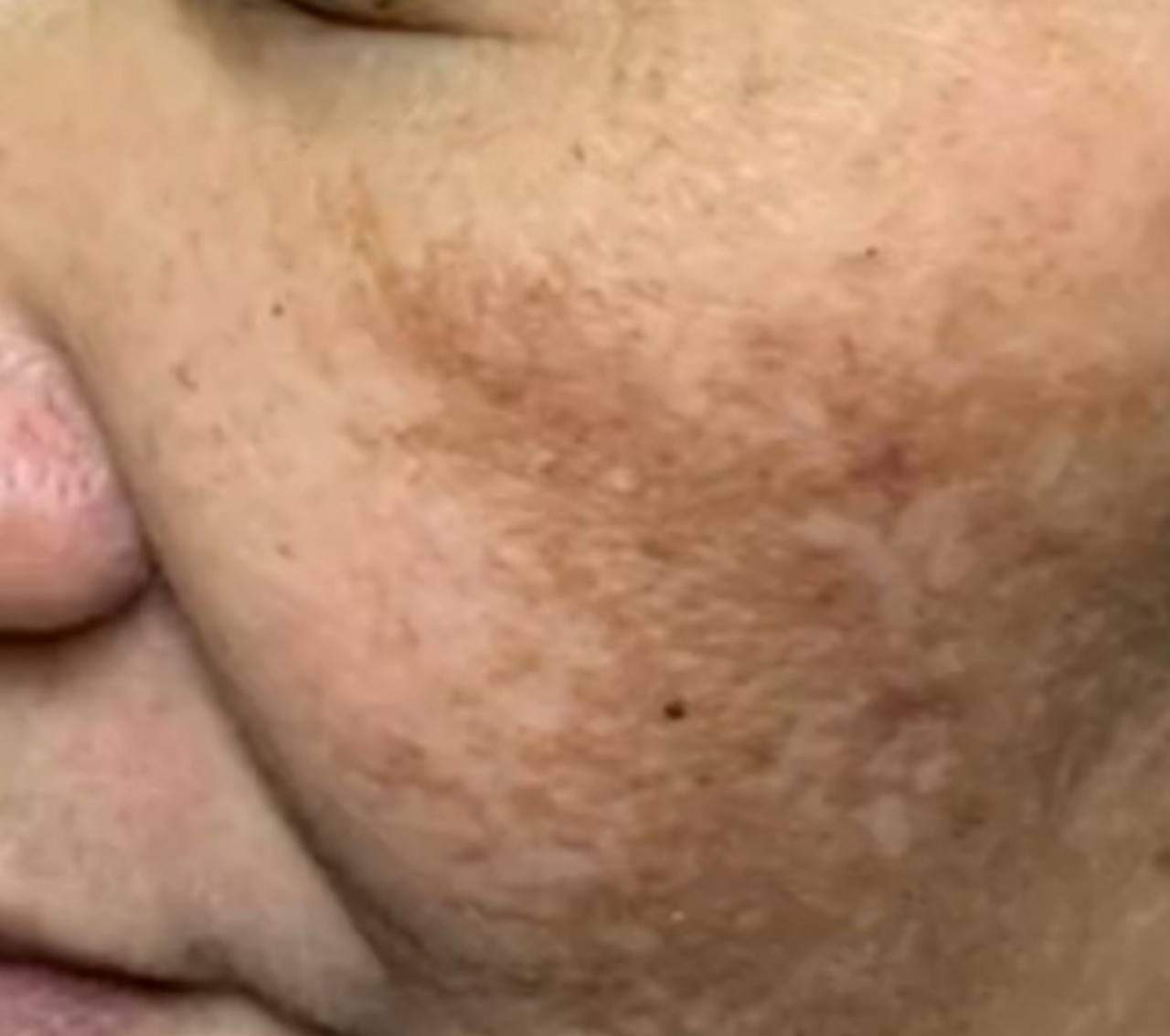
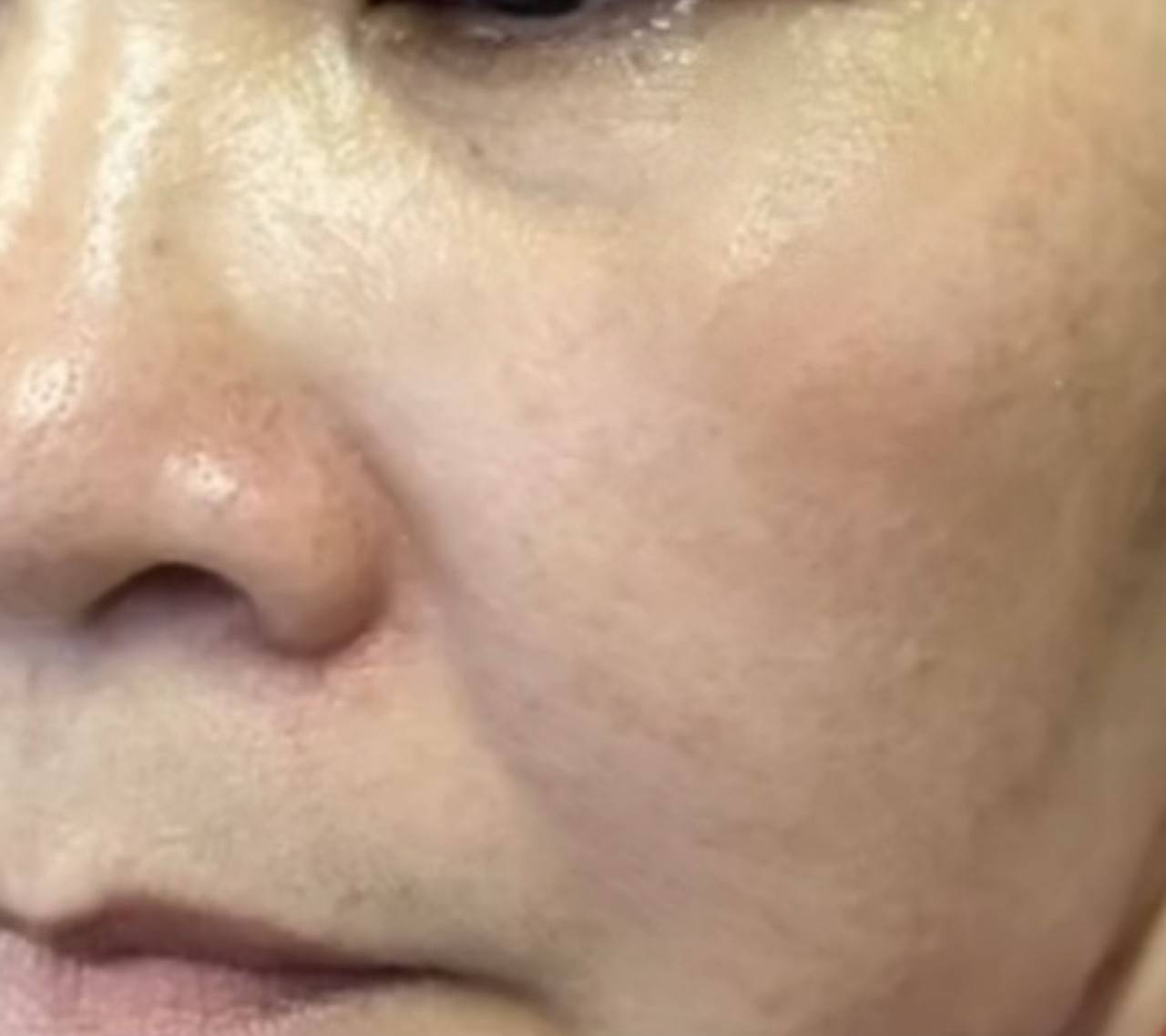
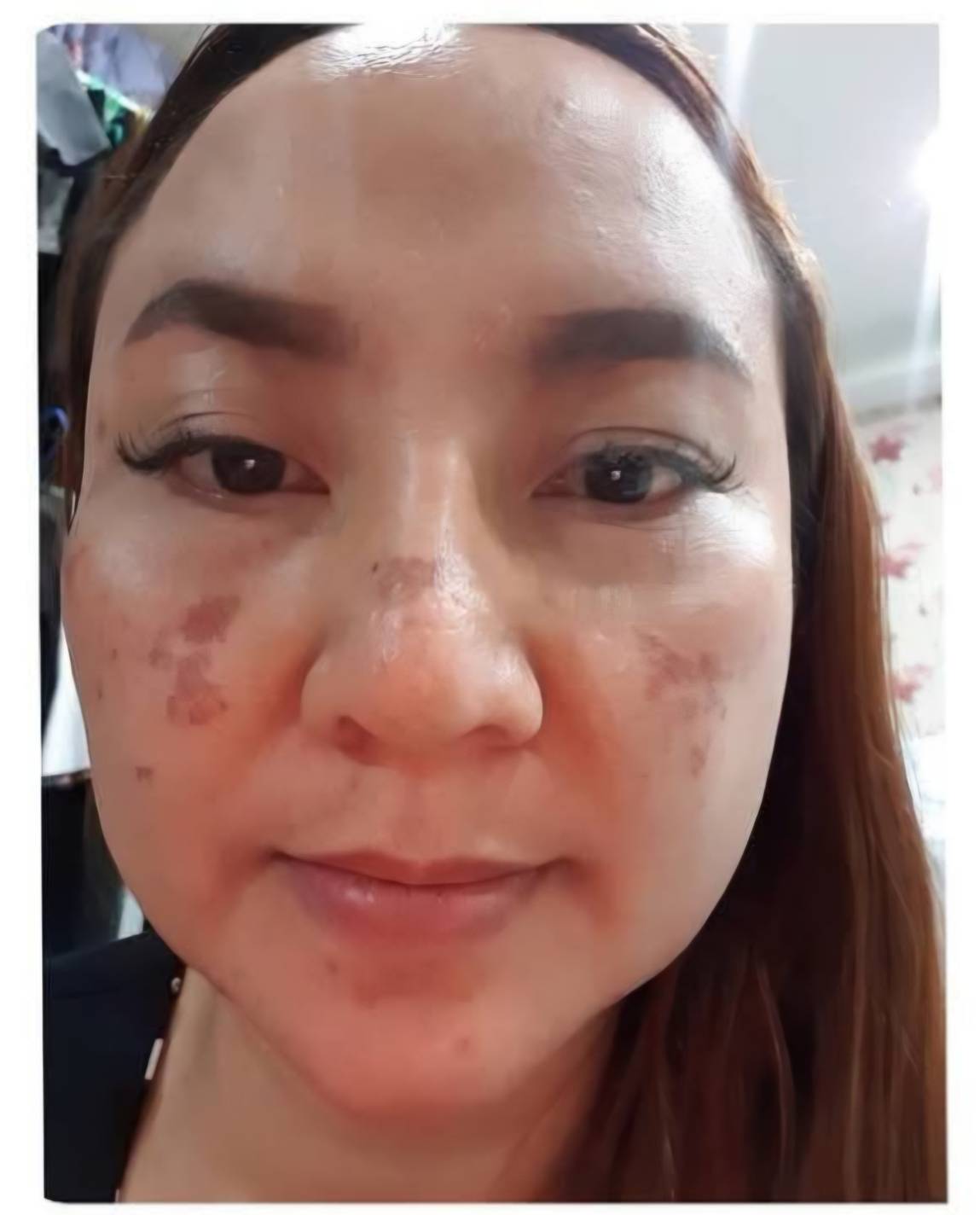
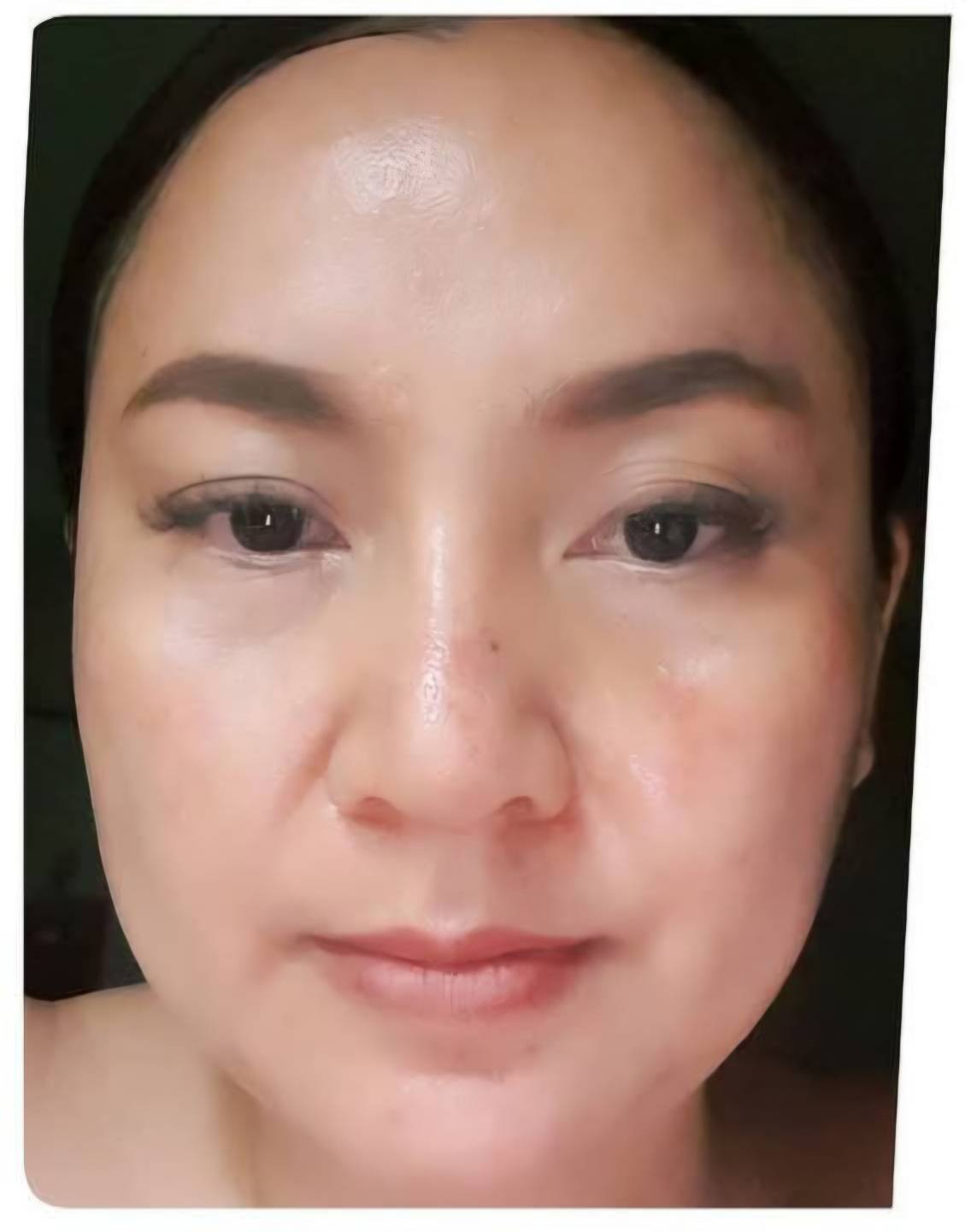
These are individual experiences and archived programme images. Diagnosis, combinations, session counts and aftercare differ. Photographic conditions may vary, and no example establishes the result another patient will achieve. Programme claims printed within an archived image should be read in that case’s context.
QUESTIONS WE CAN HELP YOU ANSWER
Clinical questions.
Practical answers.
Can Pico treat freckles and sun spots?
It can be considered for suitable diagnosed pigment targets. We choose the wavelength and mode according to the lesion and surrounding skin. Some focal treatments involve temporary darkening or fine crusts, which we discuss before the procedure.
Are freckles, sun spots and deeper grey spots the same?
They can represent different conditions. Some grey or blue-grey cheek spots are dermal pigmentation rather than ordinary freckles. Their diagnosis, treatment sequence and interval may differ. We examine the marks before selecting a programme.
Will a freckle disappear after one session?
A response can sometimes be seen after one treatment, but the number of sessions varies. We review the lesion and its recovery before deciding on further treatment. Future exposure and an inherited tendency to freckles remain relevant.
Can Pico help brown marks after acne?
Selected persistent post-acne PIH may be suitable. The doctor assesses whether acne or irritation is still active and whether the skin is ready for energy treatment. Home care and management of new breakouts remain part of the plan.
What if my acne marks are red?
Red marks may involve inflammation or blood vessels. A small randomised study investigated fractional 1,064 nm Pico with a microlens array for post-acne erythema, but this is a distinct protocol from routine pigment toning. The doctor assesses the cause and discusses suitable options.[14]
Can one Pico mode treat acne marks and scars?
Pigment and depressed scars have different targets. Some patients may have a combined or staged plan, but the modes, recovery and expected changes need to be explained separately. Certain scars may require additional procedures after assessment.
Does melasma always need laser treatment?
No. Suitable topical treatment, light protection and attention to irritation are important foundations. Pico is considered when appropriate for the individual concern. Your consultation can establish whether the skin is ready and how laser fits the wider plan.
Should Pico for melasma make the skin bleed?
Bleeding and raw skin are not goals of our melasma-focused toning. Fractional scar procedures or injections can have different reactions. Ask which procedure is proposed and what endpoint is intended for your skin.
What does Melasma Skin Longevity add?
It organises ongoing melasma care through Control, Calm, Correct and Continue. The plan connects appropriate treatment with comfort, home care and follow-up. Its contents are individual, and it is not a promise of permanent melasma clearance.
Is Pico suitable for Asian or darker skin?
It may be suitable with careful assessment, selected parameters and appropriate aftercare. Darker skin can be prone to PIH. We consider natural skin colour, recent tanning, previous reactions and the specific concern before discussing the risks.
What is the difference between Full Mode, Bright Radiant and Melasma Klear?
Full Mode is a selected Pico option. Bright Radiant combines Pico with Freckle Clear Mesotherapy for suitable freckles and dark spots. Melasma Klear is a melasma combination programme. The diagnosis guides the choice.
Can I choose Pico without injections?
You can discuss the Pico-only programme. Injectable treatment is considered according to its purpose and your assessment, rather than added automatically. We explain the alternatives and costs so you can choose an appropriate plan.
How uncomfortable is treatment?
Pico may feel like brief snapping, warmth or stinging, while injections can cause needle discomfort or tenderness. Numbing and other comfort measures are selected for the procedure. Tell the doctor about unexpected or severe discomfort during treatment.
How many visits should I budget for?
That depends on the diagnosis, response and goals. Many concerns require a series and review. The available course sizes help with planning costs, but they do not guarantee the same result or treatment endpoint for everyone.
When can I wear makeup and return to work?
Your specific procedure and recovery guide the timing. Redness, injection marks or crusting can be visible. Wait until the surface and injection points have recovered before makeup, and follow the clinic’s instructions for products and activities.
What if another laser made my skin darker?
Bring the treatment details and explain when the change appeared. We assess whether it is PIH, melasma activity or another concern. The next step may involve recovery or another approach before considering more laser.
Can I be treated during pregnancy or breastfeeding?
BAC Clinic does not perform elective aesthetic procedures during pregnancy. If you are breastfeeding or planning pregnancy, tell us in advance so the doctor can assess suitable products, procedures and timing for your situation.
Can the doctor diagnose my marks from a photo?
Our administrative team can explain options and arrange the visit, but the clinic requires an in-person examination to confirm the diagnosis and final plan. Photos can change the appearance of pigment through lighting, colour and image quality.
Can I consult and have treatment on the same day?
Often this is possible when suitable and enough time is available. Mention your preference when booking so we can allow for examination, preparation, any numbing and aftercare. You can also consult before deciding when to start.
What does the consultation cost?
The doctor consultation is free. It is an opportunity to discuss the diagnosis, programme choices, likely recovery and costs. Please arrange an appointment and confirm doctor availability before travelling to the clinic.
CLINICAL LITERATURE / METHODS, FINDINGS AND LIMITATIONS
Clinical evidence
behind the decisions.
A research paper is useful when its diagnosis, treatment and outcome match the question being asked. We identify those details so you can see what the evidence supports.
The studies below were conducted by their named investigators. Our programme names, ingredient combinations and patient photographs are not presented as the interventions or outcomes of those trials. Case images show individual experiences; they cannot establish a treatment’s average effectiveness.
Additional studies that inform the discussion
| Study & question | Design and finding | Clinical interpretation |
|---|---|---|
| Kim et al., 2020532 nm Pico versus 532 nm Q-switched laser for solar lentigines. [11] | 20-person randomised split-face study, one treatment, 12-week follow-up. Pico had higher clearance scores; PIH was reported on 5% of Pico-treated sides and 30% of comparator sides. | A small study with selected settings. These figures describe that trial, not BAC’s complication rate or a promise of PIH-free treatment. |
| Chalermchai & Rummaneethorn, 2018Fractional Pico added to topical treatment. [4] | 30 women completed a randomised split-face study. At week 12, mMASI was 3.52 with fractional 1,064 nm Pico plus 4% hydroquinone and 4.18 with hydroquinone alone (p = 0.035). | Other measured outcomes, including melanin index and patient satisfaction, did not differ. This was a combination trial with limited follow-up. |
| Lin et al., 2021Adding topical tranexamic acid after fractional Pico for PIH. [13] | Randomised split-area study in 10 patients with post-traumatic PIH, four treatments six weeks apart. Adding tranexamic acid did not significantly improve self-rated pigment change or satisfaction compared with Pico alone. | The study does not support assuming that every additional ingredient improves an outcome. It was not a trial specifically of acne-induced PIH. |
| Puaratanaarunkon & Asawanonda, 2022Sunscreen after fractional Pico. [12] | 59 acne or acne-scar patients with skin types III–IV received one microlens-array Pico treatment. Two sunscreens were compared on opposite facial sides. The difference in brown-score reduction was not statistically significant. | This studied aftercare and post-procedure pigmentation, not the clearance of pre-existing acne marks. It cannot justify a claim that Pico has no PIH risk. |
References you can verify
Clinical literature checked on 31 October 2026. Research entries link to PubMed; DOI links are included where available. The two AAD entries are professional patient guidance, identified separately from primary research.
- Randomised comparative trialVachiramon V, Namasondhi A, Anuntrangsee T, Jurairattanaporn N (2022). 532 nm versus 755 nm picosecond treatment of solar lentigines in Asian patients. J Cosmet Dermatol. 21:4370–4377. PMID: 35129875. DOI: 10.1111/jocd.14831.
- Professional patient guidanceAmerican Academy of Dermatology. How to fade dark spots in darker skin tones.
- Randomised controlled trialLiang S et al. (2023). Non-fractional 1,064 nm and 755 nm picosecond lasers compared with 2% hydroquinone for melasma. Front Med (Lausanne). 10:1132823. PMID: 37056729. DOI: 10.3389/fmed.2023.1132823.
- Randomised split-face trialChalermchai T, Rummaneethorn P (2018). Fractional 1,064 nm picosecond laser for dermal and mixed melasma. J Cosmet Laser Ther. 20:134–139. PMID: 29020467. DOI: 10.1080/14764172.2017.1376098.
- Professional patient guidanceAmerican Academy of Dermatology. Melasma: diagnosis and treatment.
- Split-face comparative trialLee MC et al. (2018). Picosecond alexandrite versus Q-switched Nd:YAG treatment for melasma in Asians. Lasers Med Sci. 33:1733–1738. PMID: 29732522. DOI: 10.1007/s10103-018-2529-2.
- Randomised controlled trialPazyar N et al. (2023). Intradermal tranexamic acid compared with topical 4% hydroquinone for melasma. J Clin Aesthet Dermatol. 16(1):35–40. PMID: 36743976.
- Double-blind randomised trialCastanedo-Cazares JP et al. (2014). Visible-light and UV photoprotection in melasma treatment. Photodermatol Photoimmunol Photomed. 30:35–42. PMID: 24313385. DOI: 10.1111/phpp.12086.
- Randomised double-blind trialTopaloğlu Demir F, Altun E (2024). Photoactivated compared with conventional PRP for melasma. J Cosmet Dermatol. 23:3911–3917. PMID: 39175423. DOI: 10.1111/jocd.16540.
- Exploratory biopsy studyEspósito ACC et al. (2020). Epidermal, basement membrane and upper dermis changes in melasma. Ann Dermatol. 32:101–108. PMID: 33911720. DOI: 10.5021/ad.2020.32.2.101.
- Randomised split-face trialKim JY et al. (2020). 532 nm picosecond compared with Q-switched Nd:YAG laser for solar lentigines. Ann Dermatol. 32:8–13. PMID: 33911703. DOI: 10.5021/ad.2020.32.1.8.
- Randomised double-blind split-face trialPuaratanaarunkon T, Asawanonda P (2022). Sunscreens and post-inflammatory pigmentation after picosecond laser. Clin Cosmet Investig Dermatol. 15:331–337. PMID: 35250287. DOI: 10.2147/CCID.S355329.
- Randomised split-area trialLin CH et al. (2021). Laser-assisted tranexamic-acid delivery in post-inflammatory hyperpigmentation. Photobiomodul Photomed Laser Surg. 39:711–715. PMID: 34762534. DOI: 10.1089/photob.2021.0086.
- Randomised split-face trialJing X, Ren J, Yang J (2025). Fractional 1,064 nm picosecond laser compared with electro-optical synergy for post-acne erythema. Lasers Med Sci. 40:67. PMID: 39907828. DOI: 10.1007/s10103-025-04325-x.
- Two case reportsRen R, Bao S, Qian W, Zhao H (2021). 755 nm picosecond treatment for PIH: two cases with three-year follow-up. Clin Cosmet Investig Dermatol. 14:1459–1464. PMID: 34675582. DOI: 10.2147/CCID.S323872.
More from BAC Clinic
Picosecond Laser · Pico programme guide · Pigmentation programmes · Combination pigment care · Individual treatment planning · Pico and mesotherapy options · Bio-Revitalize · Melasma maintenance · Melasma Skin Longevity
BAC CLINIC / BANGKOK AESTHETIC CLINIC
Begin with a diagnosis.
Build the right plan.
Freckles, post-acne dark marks or melasma: bring us the concern you want to change. Let us help you understand the options and take the next step with confidence.
Send your name, preferred dates and main concern. Let us know if you would like consultation and treatment on the same day. The doctor confirms suitability and the final plan in person.
In the Asok neighbourhood
From BTS Asok or MRT Sukhumvit, head towards Exchange Tower and enter Sukhumvit Soi 16. BAC Clinic is approximately 350–400 metres into the soi, opposite Shama Asoke Residence. Front parking is subject to availability; our team can help with directions.
Individual results and recovery vary. Medical information supports a consultation and does not replace an examination. Melasma can recur, and no treatment programme guarantees a particular or permanent result.