How Advanced Intradermal Therapy Works — and When to Combine It with Picosecond Laser for Deeper Pigment Cases
Introduction
Melasma and complex facial hyperpigmentation remain among the most challenging aesthetic skin disorders to manage effectively, particularly in patients with Fitzpatrick skin types III–V. While numerous topical creams, superficial chemical peels, and aggressive mono-laser therapies exist, relapse rates remain high. Patients frequently experience rebound hyperpigmentation or skin thinning because conventional treatments fail to address the underlying structural dermal changes and persistent melanocyte hyper-responsiveness.
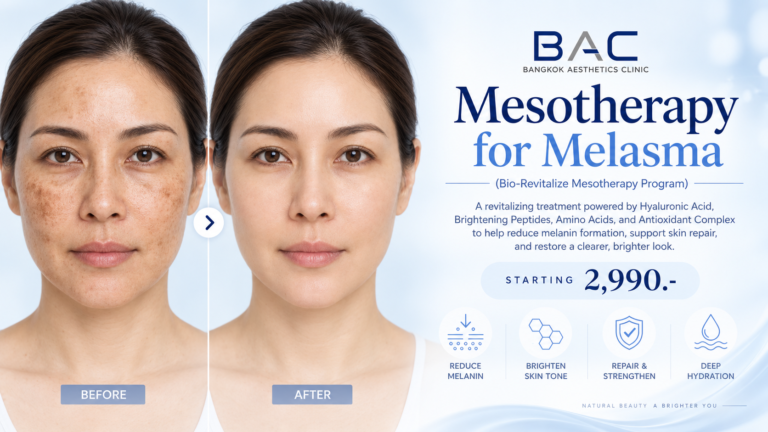
At Bangkok Aesthetic Clinic (BAC Clinic), we offer an integrative clinical protocol centered on mesotherapy—specifically intradermal micro-injections of key restructuring and anti-pigment nutrients. Branded as our Bio-Revitalize Program, this targeted strategy is engineered specifically for melasma correction and dermal matrix repair. In more severe, deep-seated, or recalcitrant cases, we incorporate advanced Picosecond Laser therapy (utilizing 1,064 nm, 532 nm, and 755 nm wavelengths) alongside autologous Platelet-Rich Plasma (PRP). This combination targets deeper pigment disruption while simultaneously driving structural renewal.
This comprehensive medical guide explores the pathophysiology of hyperpigmentation, the clinical rationale and evidence behind intradermal mesotherapy, the physics of picosecond lasers, the integration of autologous PRP, and BAC Clinic’s step-by-step treatment pathways.
Understanding Melasma: Pathophysiology and Treatment Challenge
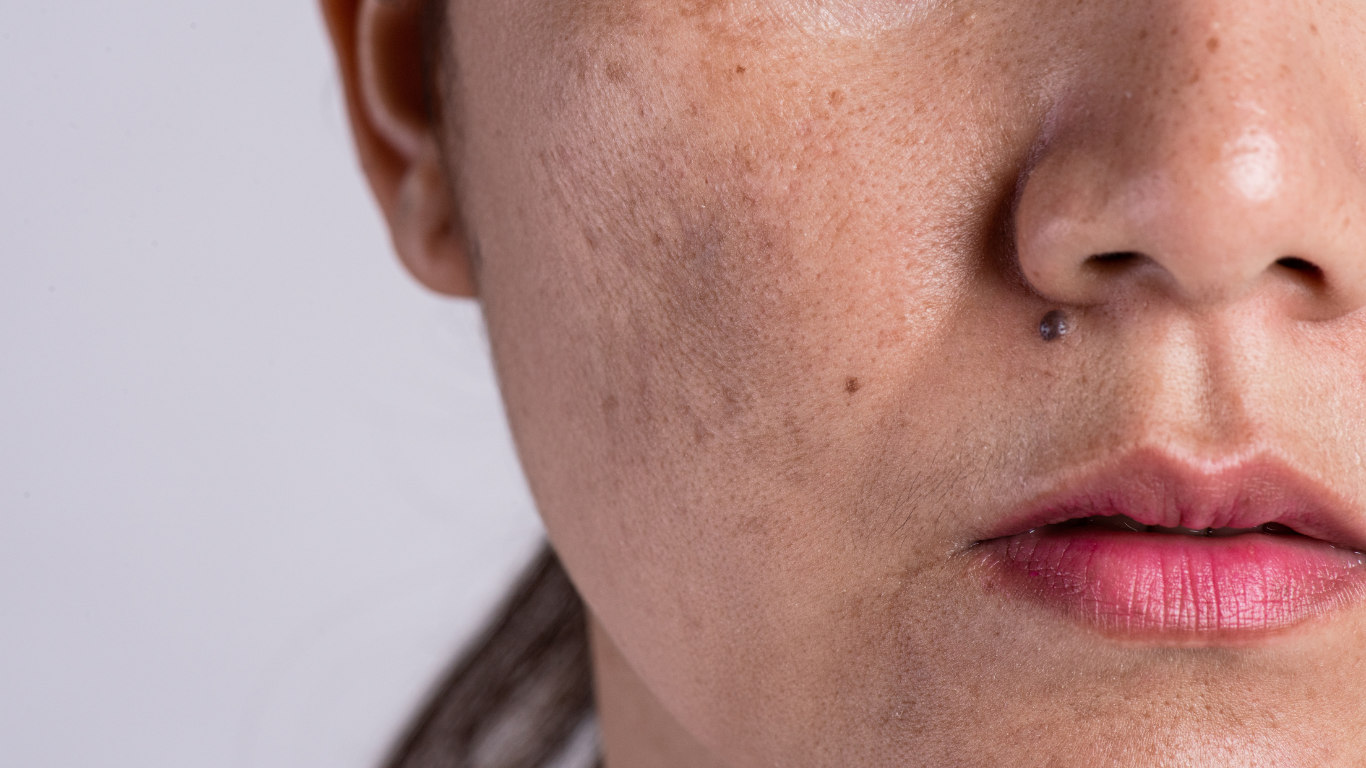
Melasma is an acquired hyperpigmentation disorder characterized by symmetrical brown-to-gray macules and patches on sun-exposed facial areas. Key pathogenic factors include:
- Hormonal Influences: Estrogen and progesterone upregulate melanocyte tyrosinase activity, driving excessive melanin production.
- Ultraviolet (UV) and Visible Light Exposure: Chronic light exposure triggers severe oxidative stress, vascular expansion, and micro-inflammatory changes in the dermal environment.
- Inflammatory Micro-Environment: Upregulated mast cells, elevated Vascular Endothelial Growth Factor (VEGF), and increased Matrix Metalloproteinases (MMPs) break down the dermal-epidermal junction (DEJ).
- Genetic Predisposition and Melanocyte Instability: Variations such as MC1R gene variants create persistent melanocyte hyper-reactivity.
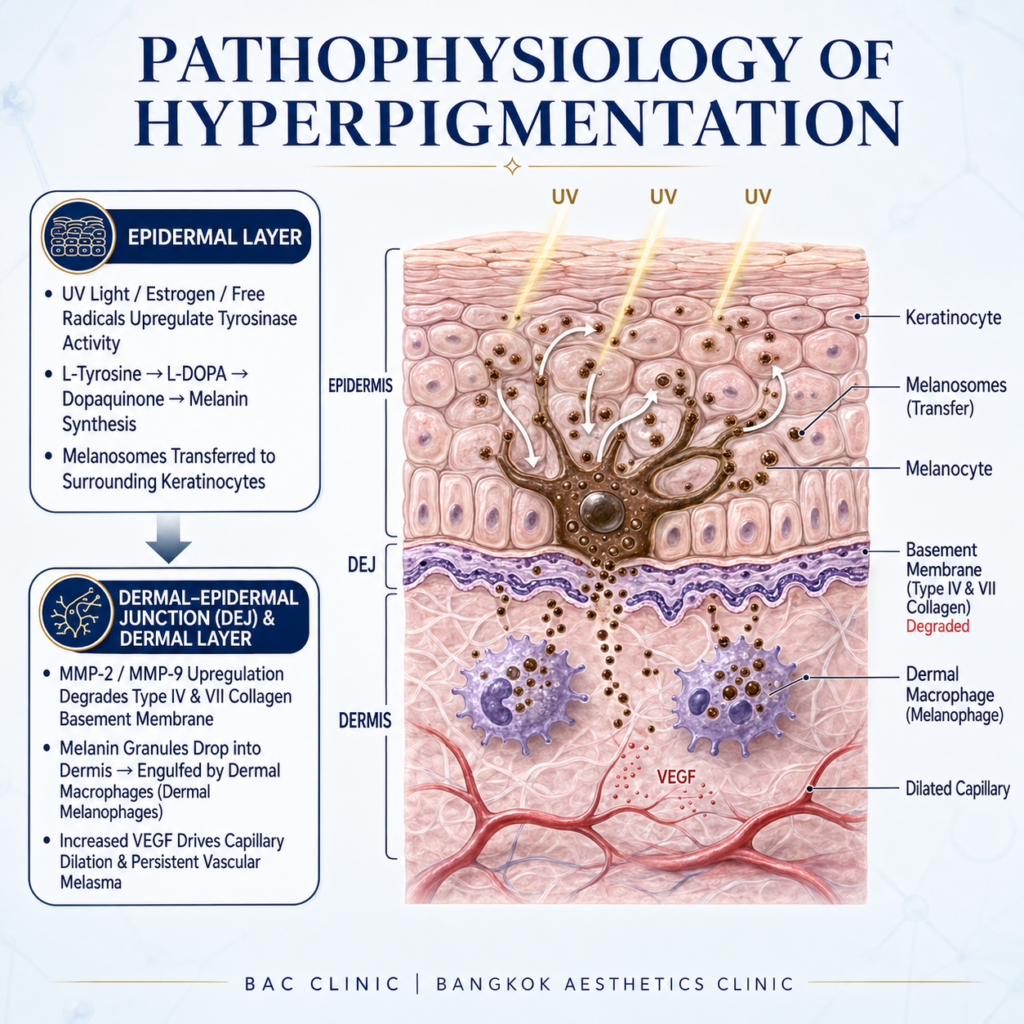
Melasma is classified clinically into epidermal, dermal, or mixed types. Mixed and dermal types are notoriously difficult to treat because pigment drops beneath the basement membrane into the dermis, becoming engulfed by dermal macrophages (dermal melanophages). Standard therapies that target only the epidermis fail to clear deep dermal pigment and do not stabilize the damaged dermal micro-environment.
Effective melasma management requires a multi-layered strategy that not only reduces existing pigment, but also stabilizes melanocyte function, strengthens the skin barrier, repairs the dermal-epidermal junction, and provides long-term photoprotection.
Mesotherapy: Principles and Clinical Rationale for Melasma
In dermatologic aesthetics, mesotherapy involves precise micro-injections of specialized cocktails—containing amino acids, antioxidants, vitamins, and uncrosslinked hyaluronic acid—directly into the dermis. The rationale for its application in treating melasma includes:
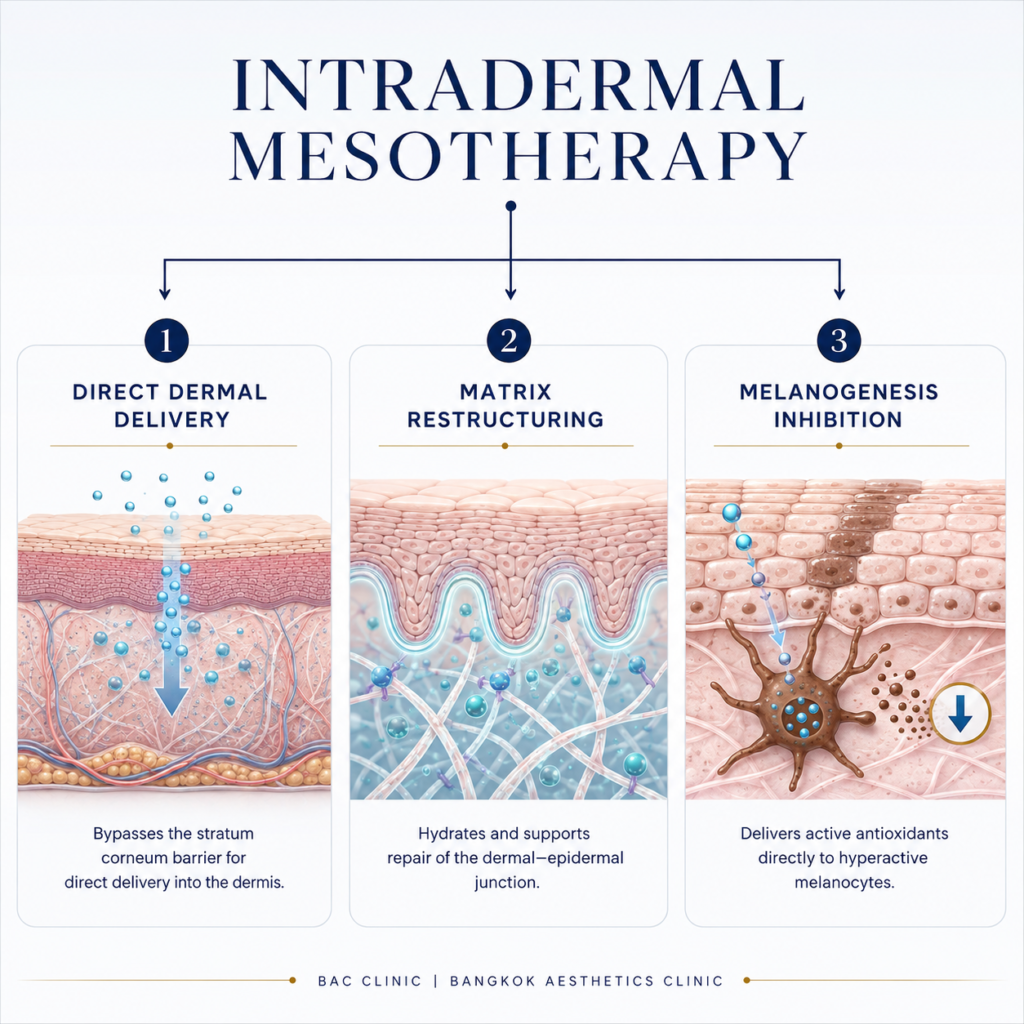
- Bypassing the Stratum Corneum: Direct delivery of active compounds straight into the dermal target layer, bypassing topical absorption barriers.
- Matrix Restructuring: Hydration and reinforcement of the dermal-epidermal matrix to prevent basement membrane breakdown and pigment leakage.
- Melanogenesis Inhibition: Direct delivery of antioxidants and tyrosinase-inhibiting agents to reduce melanin production.
- Dermal Resilience: Stimulation of fibroblast activity and collagen synthesis to restore healthy skin architecture.
Clinical Evidence
Clinical trials and systemic reviews support intradermal mesotherapy as an effective modality for melasma:
- Review studies demonstrate that intradermal therapies utilizing active ingredients like tranexamic acid and ascorbic acid significantly decrease Visceral Pigment Index and MASI scores.
- Split-face randomized clinical trials comparing tranexamic acid mesotherapy with conventional topical hydroquinone show superior, more rapid pigment reduction on the mesotherapy-treated side.
- Multicenter clinical evaluations conclude that mesotherapy serves as a powerful alternative or adjunct for patients refractory to standard topical treatments.
Mechanisms Specific to Melasma
To manage melasma effectively, an intradermal mesotherapy cocktail must:
- Inhibit tyrosinase and melanocyte activity.
- Restore deep dermal hydration via uncrosslinked hyaluronic acid to stabilize the extracellular matrix (ECM).
- Support dermal fibroblasts via amino acids to repair damaged collagen networks at the dermal-epidermal junction.
- Neutralize free radicals and suppress vascular inflammatory signaling via potent antioxidant complexes.
At BAC Clinic, our Bio-Revitalize Program incorporates these specific biochemical pathways, delivering a specialized blend of uncrosslinked hyaluronic acid, essential amino acids (L-Glycine, L-Lysine, L-Proline, L-Hydroxyproline), and an antioxidant complex featuring Vitamin C and Glutathione.

Clinical Advantages & Limitations
Advantages
- Minimally Invasive: Short downtime compared to aggressive chemical peels or high-fluence ablative lasers.
- High Compliance: Directly overcomes patient non-compliance or intolerance to strong topical hydroquinone/retinoid regimens.
- Comprehensive Rejuvenation: Restores underlying dermal health and hydration rather than merely stripping away surface pigment.
Limitations
- Multiple Sessions Required: Optimal clearance requires a series of initial treatments followed by ongoing maintenance.
- Variable Single-Modality Outcomes: Deep dermal pigment often requires combination with energy-based devices.
Picosecond Laser: Indications, Evidence, and Why Combine
For mixed, dermal, or recalcitrant melasma, Picosecond laser technology represents a significant advance over traditional nanosecond devices.
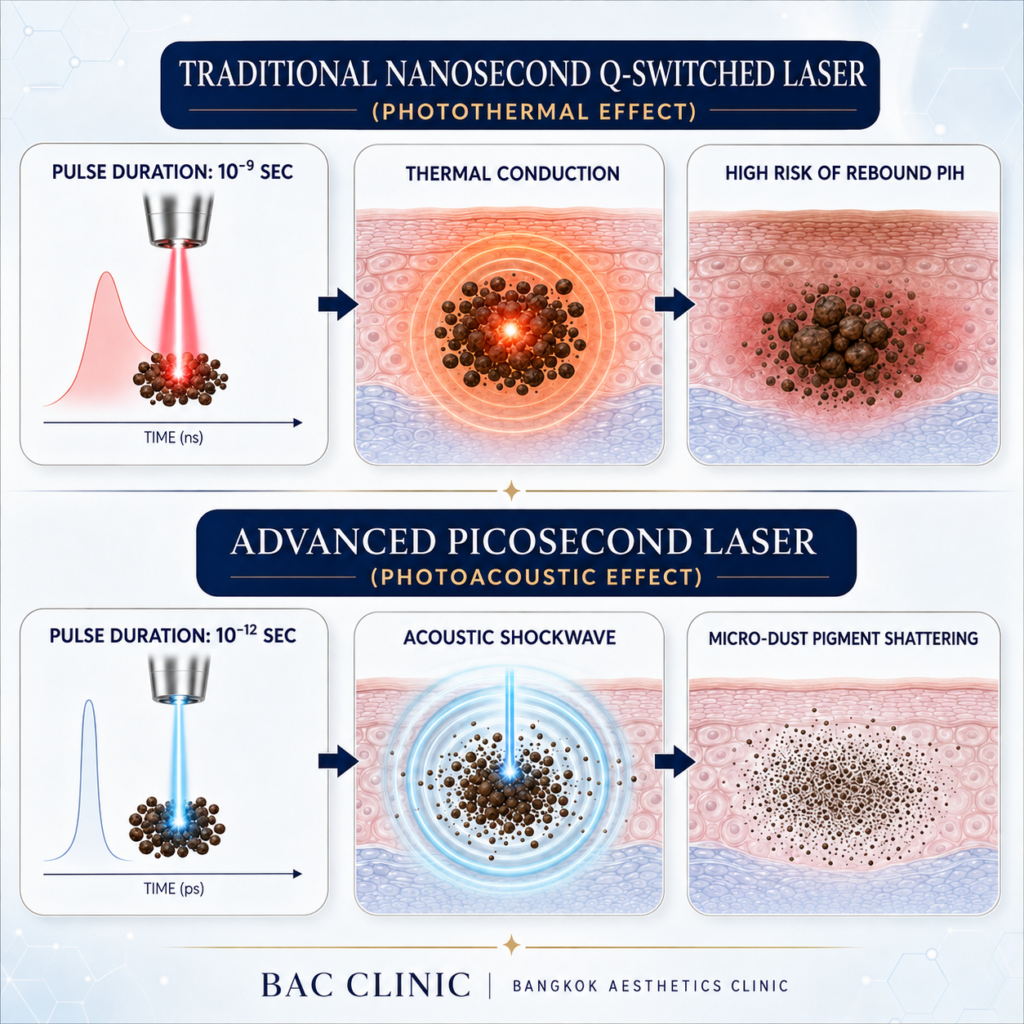
Photoacoustic vs. Photothermal Physics
Legacy nanosecond Q-switched lasers deliver energy over 10^-9 seconds, relying heavily on photothermal action. This heat accumulation can damage surrounding healthy tissue, triggering post-inflammatory hyperpigmentation (PIH) and rebound melasma in dark Asian skin types.
Picosecond lasers deliver energy in ultra-short pulses (10^-12 seconds). This pulse duration is shorter than the thermal relaxation time of human melanosomes. As a result, light energy converts into an acoustic shockwave—a photomechanical effect—that shatters dense melanin clusters into fine, micro-dust particles without generating collateral heat. These micro-particles are then cleared by the body’s lymphatic macrophage system.
Clinical Wavelength Specifications
- 1,064 nm Wavelength: Penetrates deep into the reticular dermis to target dermal melanophages, mixed melasma, and deep dermal spots. It is safe for darker skin types (Fitzpatrick IV–V) due to lower epidermal melanin absorption.
- 755 nm Wavelength: High melanin-to-hemoglobin absorption ratio, making it effective for targeting superficial-to-mid dermal melasma, freckles, and solar lentigines with minimal risk of vascular injury.
- 532 nm Wavelength: Targets epidermal lesions, shallow sunspots, and superficial freckles.
Clinical Evidence in Melasma
- Prospective clinical trials in Asian skin utilizing 1,064 nm fractional picosecond laser show statistically significant reductions in melasma severity with minimal adverse events.
- Split-face studies evaluating 755 nm picosecond laser in darker-skinned individuals demonstrate clear safety and efficacy for stubborn hyperpigmentation.
- Systemic reviews confirm that 755 nm and 1,064 nm picosecond lasers achieve faster, safer pigment clearance than older Q-switched systems.
Rationale for Combination with Intradermal Therapy
While Picosecond lasers excel at breaking up dense pigment deposits, laser energy alone does not repair underlying basement membrane damage or halt ongoing melanocyte hyperactivity. Combining picosecond laser treatments with intradermal therapy provides a dual-action approach:
- Laser Phase: Photomechanically fragments deep dermal and epidermal melanin deposits into fine dust.
- Intradermal Phase: Delivers essential nutrients, antioxidants, and growth factors to calm post-laser inflammation, repair the basement membrane, and prevent rebound hyperpigmentation.
Autologous Platelet-Rich Plasma (PRP) in Pigment Modulation
In severe or refractory hyperpigmentation, adding autologous Platelet-Rich Plasma (PRP) helps restore damaged skin tissue. PRP is prepared by collecting a small sample of the patient’s blood and isolating concentrated platelets using specialized double-spin centrifugation.
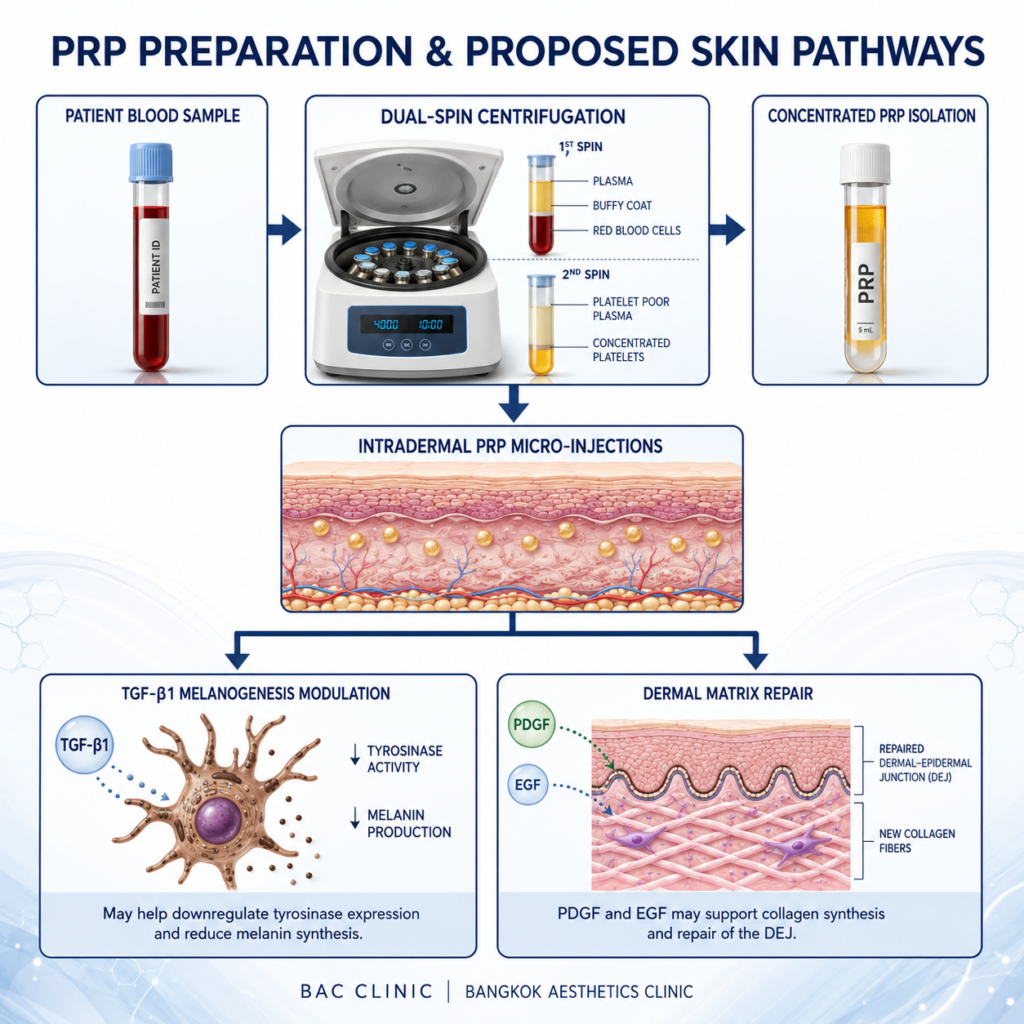
Molecular Mechanisms of PRP in Melasma Management
When injected into the dermis, activated platelet alpha-granules release concentrated growth factors that act on local skin cells:
- Transforming Growth Factor-Beta 1 (TGF-beta1): Downregulates Microphthalmia-Associated Transcription Factor (MITF)—the primary regulator of tyrosinase enzyme synthesis—thereby directly suppressing melanin production.
- Platelet-Derived Growth Factor (PDGF): Stimulates fibroblast proliferation, accelerates extracellular matrix remodeling, and restores structural integrity to damaged dermal layers.
- Epidermal Growth Factor (EGF): Promotes keratinocyte renewal and accelerates the clearance of melanin-laden epidermal cells.
- Vascular Endothelial Growth Factor (VEGF) Modulation: Normalizes damaged capillary networks within vascular melasma lesions, reducing localized tissue inflammation.
BAC Clinic’s Protocol: The Bio-Revitalize Program and Laser Integration
BAC Clinic’s protocol combines diagnostic mapping with tailored treatments to address each patient’s specific pigmentation patterns.
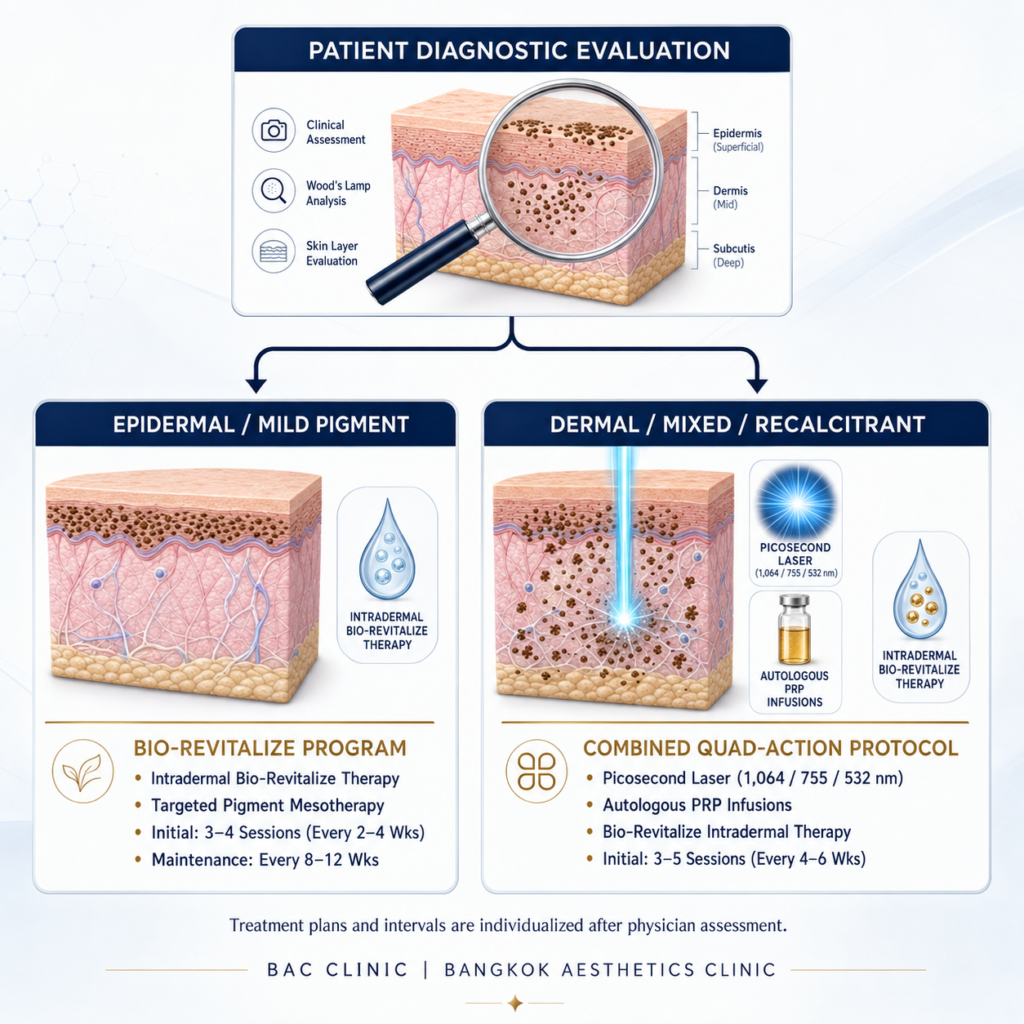
Bio-Revitalize Mesotherapy Program
For mild-to-moderate melasma, superficial freckles, or patients seeking a non-laser approach, the standalone Bio-Revitalize Program is the primary recommendation:
- Protocol: Intradermal micro-injections of medical-grade uncrosslinked hyaluronic acid, essential amino acids, and targeted antioxidant compounds.
- Schedule: 3 to 4 initial sessions spaced 2 to 4 weeks apart, followed by maintenance every 8 to 12 weeks.
- Clinical Indications: Epidermal melasma, solar lentigines, post-acne hyperpigmentation, and skin showing early signs of loss of elasticity.
Escalation to Combined Therapy (Mesotherapy + PRP + Picosecond Laser)
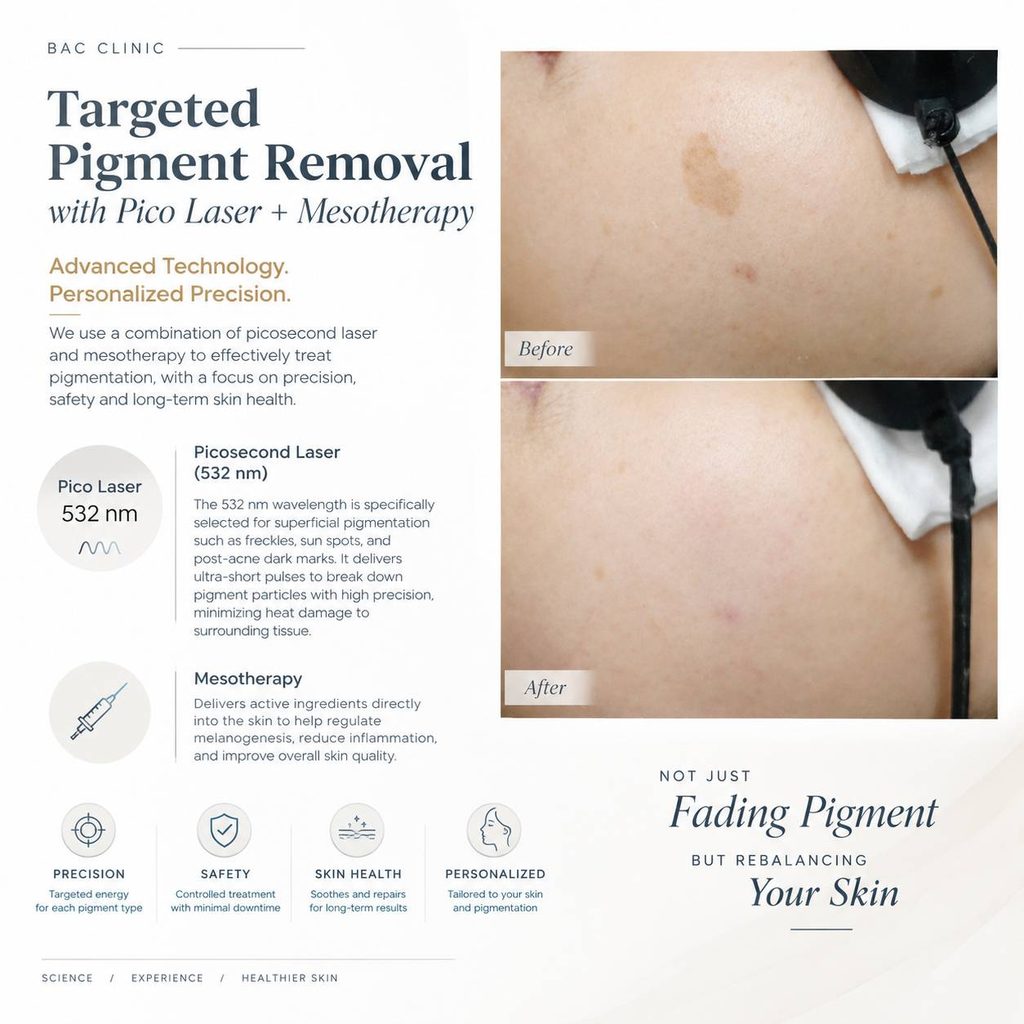
For dermal, mixed, recalcitrant, or recurrent hyperpigmentation, patients advance to the full multi-modality protocol:
- Picosecond Laser Integration: 3 to 5 laser sessions (utilizing 1,064 nm, 755 nm, or 532 nm depending on pigment depth) scheduled every 4 to 6 weeks.
- Interspaced Intradermal Support: PRP and Bio-Revitalize injections administered immediately post-laser or alternating between laser sessions to promote tissue recovery and protect the dermal-epidermal junction.
Mechanisms & Ingredients Behind the Program
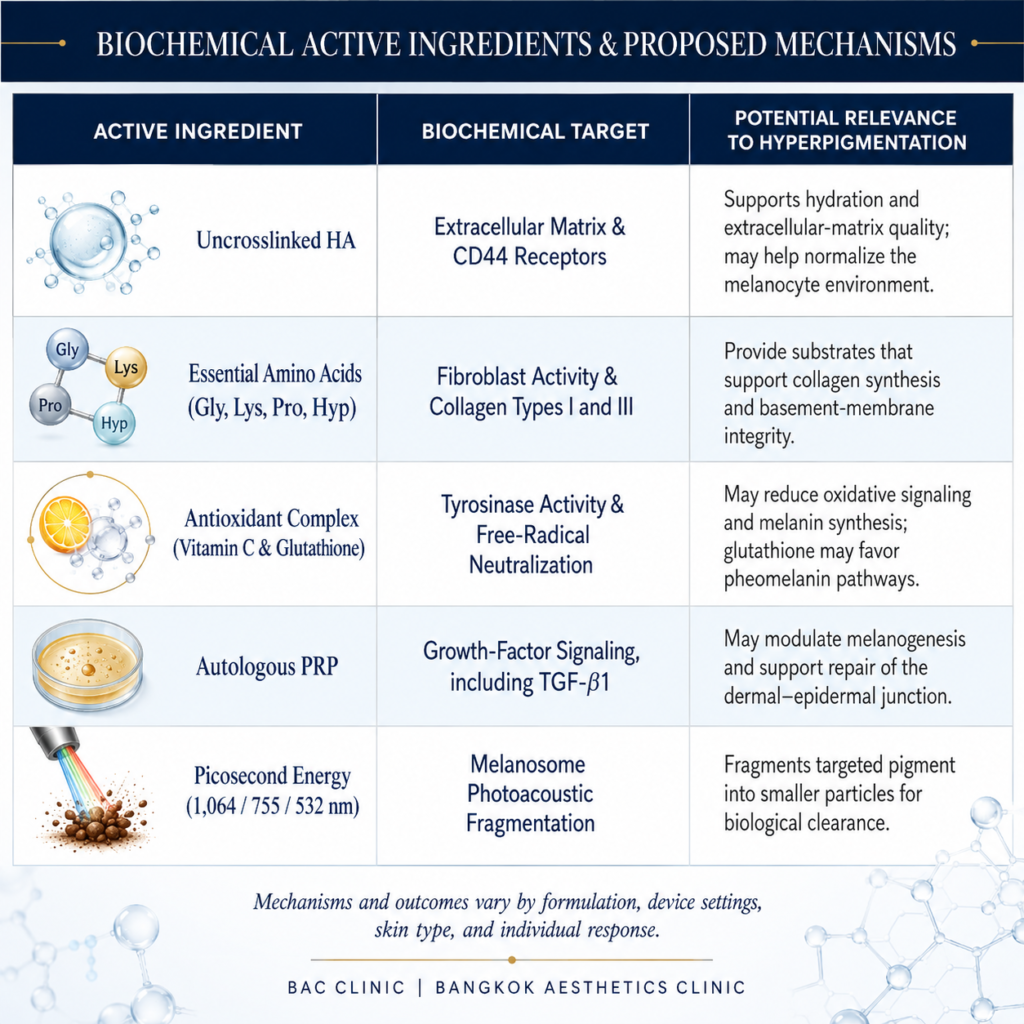
Uncrosslinked Hyaluronic Acid (HA)
Medical-grade, non-crosslinked hyaluronic acid binds water within the extracellular matrix, restoring hydration to the papillary dermis. This expanded matrix supports healthy cell signaling between fibroblasts, keratinocytes, and basal melanocytes, helping stabilize pigment production.
Essential Amino Acid Complex (L-Glycine, L-Lysine, L-Proline, L-Hydroxyproline)
These four amino acids serve as structural building blocks for collagen synthesis. They supply dermal fibroblasts with the precursors needed to synthesize new Type I and Type III collagen, repairing microscopic gaps in the basement membrane and preventing pigment from dropping into the dermis.
Antioxidant Complex (Vitamin C & Glutathione)
- Vitamin C (Ascorbic Acid Complex): Neutralizes free radicals triggered by UV exposure, reduces oxidized melanin intermediates back to colorless forms, and inhibits tyrosinase activity.
- Glutathione: Binds to the copper-containing active site of tyrosinase, directly inhibiting its enzymatic action. It also alters the melanogenesis pathway, shifting production from dark Eumelanin to lighter Pheomelanin.
Picosecond Laser Energy (1,064 nm, 755 nm, 532 nm)
Ultra-short laser pulses deliver high peak power to targeted melanosomes, creating a photomechanical shockwave that shatters dense melanin clusters into fine particles. Minimizing heat spread helps preserve surrounding healthy tissue, significantly reducing the risk of post-inflammatory hyperpigmentation.
Patient Journey at BAC Clinic (Step-by-Step)
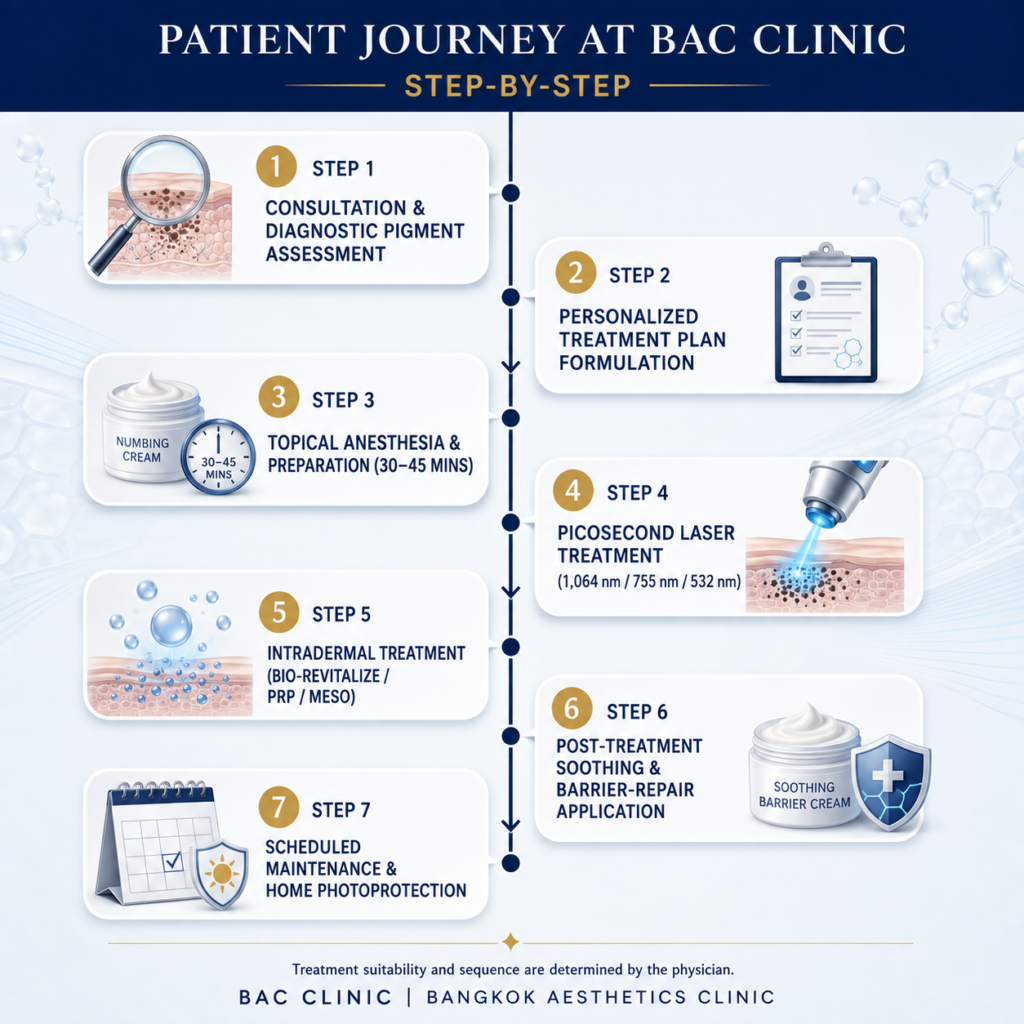
Step 1: Consultation & Skin Assessment
The journey begins with a medical skin evaluation. Using digital skin analysis, dermoscopy, and Wood’s lamp diagnostics, the care team maps pigment depth, structural skin health, and vascular involvement.
Step 2: Personalized Treatment Plan Formulation
Based on diagnostic findings, a customized treatment pathway is designed—selecting either standalone Bio-Revitalize intradermal therapy or the combined Laser + PRP + Mesotherapy protocol.
Step 3: Numbing & Topical Preparation
High-potency topical numbing cream is applied for 30 to 45 minutes prior to the procedure to ensure treatment comfort.
Step 4: Picosecond Laser Administration (When Indicated)
If selected for the treatment plan, the Picosecond laser is applied across pigment-affected areas using calibrated wavelengths (1,064 nm, 755 nm, or 532 nm) and precise spot sizes to target dark spots without overheating the skin.
Step 5: Intradermal Bio-Revitalize, PRP, & Mesotherapy Delivery
Using ultra-fine needles (30G to 32G), the physician performs precise micro-injections into the papillary dermis, delivering the custom formulation directly to hyperactive melanocyte zones.
Step 6: Post-Treatment Cooling & Barrier Repair
A physician-grade soothing mask, growth factor serum, and barrier repair cream are applied to calm redness, restore moisture, and support skin recovery.
Step 7: Follow-Up, Maintenance, & Photoprotection
Patients receive clear post-care instructions, including strict photoprotection guidelines. Follow-up sessions are scheduled to evaluate pigment clearance and make any necessary protocol adjustments.
Comprehensive Clinical Modality Comparison
| Evaluation Parameter | Targeted Pigment Mesotherapy | Bio-Revitalize Program | Autologous Platelet-Rich Plasma (PRP) | Picosecond Laser (1,064 / 755 / 532 nm) | Combined Quad Protocol |
| Primary Target Layer | Papillary Dermis / DEJ | Superficial to Mid Dermis | Dermis & Dermal-Epidermal Junction | Epidermis to Deep Reticular Dermis | Epidermis, DEJ, & Deep Dermis |
| Primary Mechanism | Tyrosinase inhibition (Vitamin C, Glutathione) | Matrix restructuring & hydration (HA + Amino Acids) | Growth factor-mediated TGF-beta1) melanocyte silencing | Photoacoustic shockwave pigment fragmentation | Photoacoustic shattering + cell repair + tyrosinase suppression |
| DEJ Barrier Restoration | Moderate | High (Amino acid collagen precursors) | Very High PDGF / EGF structural repair) | Neutral | Maximum (Full structural restoration) |
| Downtime | <24 hours | 12–24 hours | 24–48 hours | 24–48 hours | 24–48 hours |
| Risk of Rebound PIH | Extremely Low | Extremely Low | Extremely Low | Low (with low-fluence parameters) | Lowest (Anti-inflammatory synergy) |
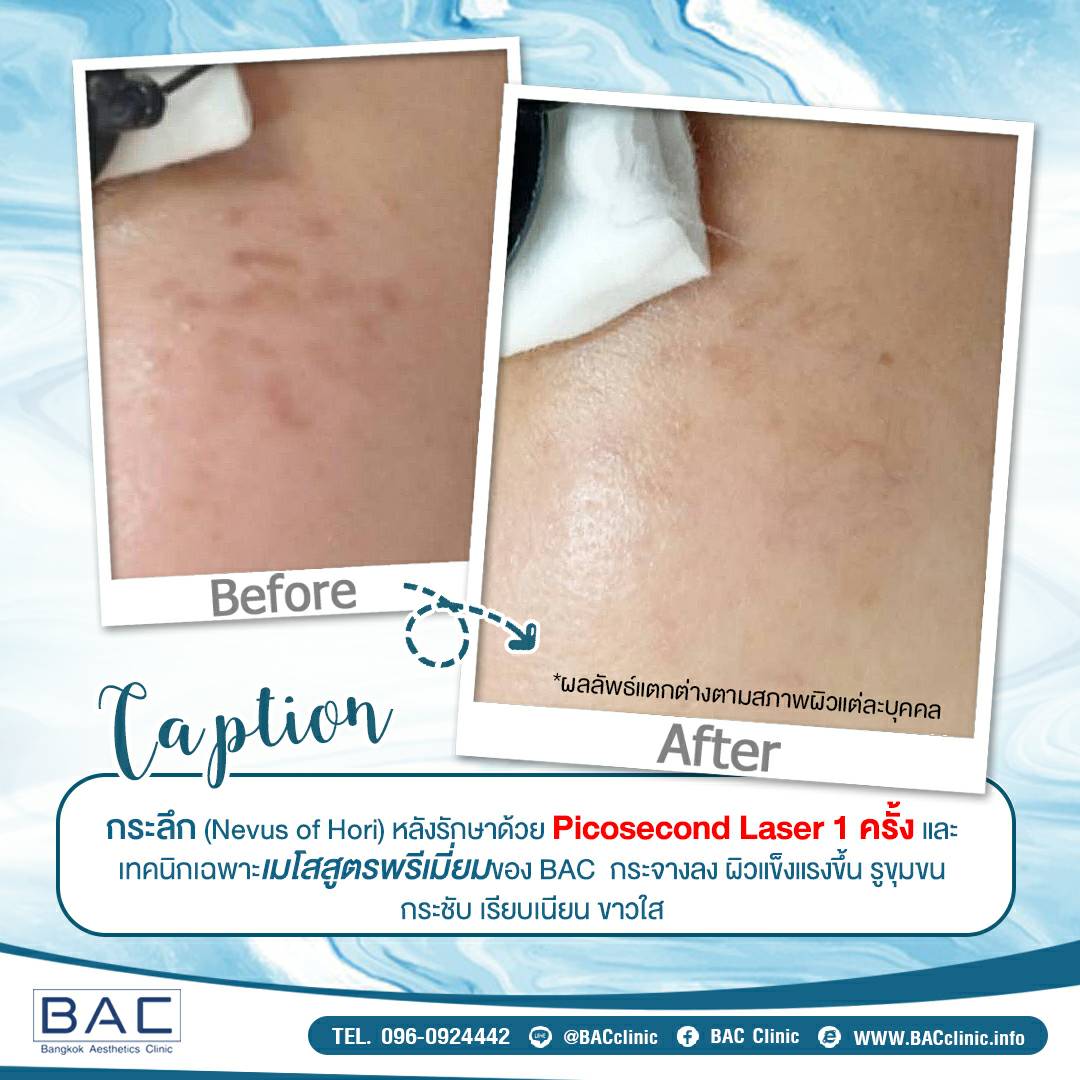
| Primary Clinical Indication | Epidermal melasma, early dark spots | Dehydrated skin, fine lines, early pigment | Basement membrane decay, vascular melasma | Deep dermal spots, sunspots, Hori’s nevus | Complex, recalcitrant, mixed melasma |
Post-Treatment Protocols, Photoprotection, & Barrier Repair
Proper post-treatment care is essential for maintaining treatment safety, speeding up healing, and preventing post-inflammatory hyperpigmentation (PIH).
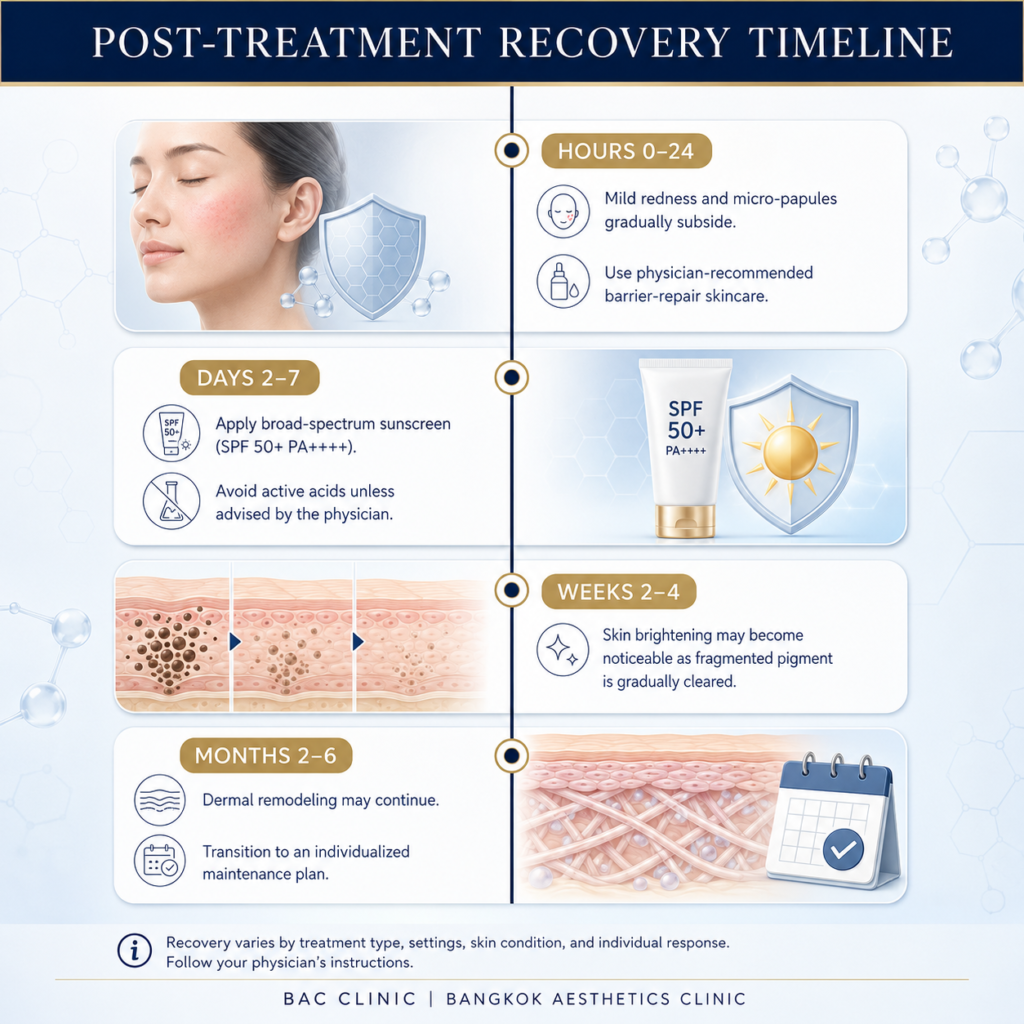
Immediate Recovery Guidelines (Days 1–7)
- Gentle Cleansing: Cleanse the face gently using lukewarm water and a soap-free, non-abrasive cleanser. Avoid rubbing or scrubbing the skin.
- Barrier Enhancement: Apply barrier repair serums containing Ceramides, Hyaluronic Acid, Centella Asiatica, and Panthenol (Vitamin B5) twice daily.
- Pause Active Topicals: Discontinue strong active topicals—such as Retinoids, Glycolic Acid (AHA), Salicylic Acid (BHA), and high-potency Vitamin C—for 5 to 7 days post-procedure.
Photoprotection Protocols
- Broad-Spectrum Sun Protection: Apply a broad-spectrum physical sunscreen featuring Zinc Oxide and Titanium Dioxide with an SPF of 50+ and PA++++ every morning.
- Visible & Blue Light Protection: Ensure the sunscreen formulation contains tinted iron oxides to help shield against High-Energy Visible (HEV/Blue) light, which can trigger melasma.
- Reapplication Habits: Reapply sunscreen every 2 to 3 hours during prolonged sun exposure or when near large windows.
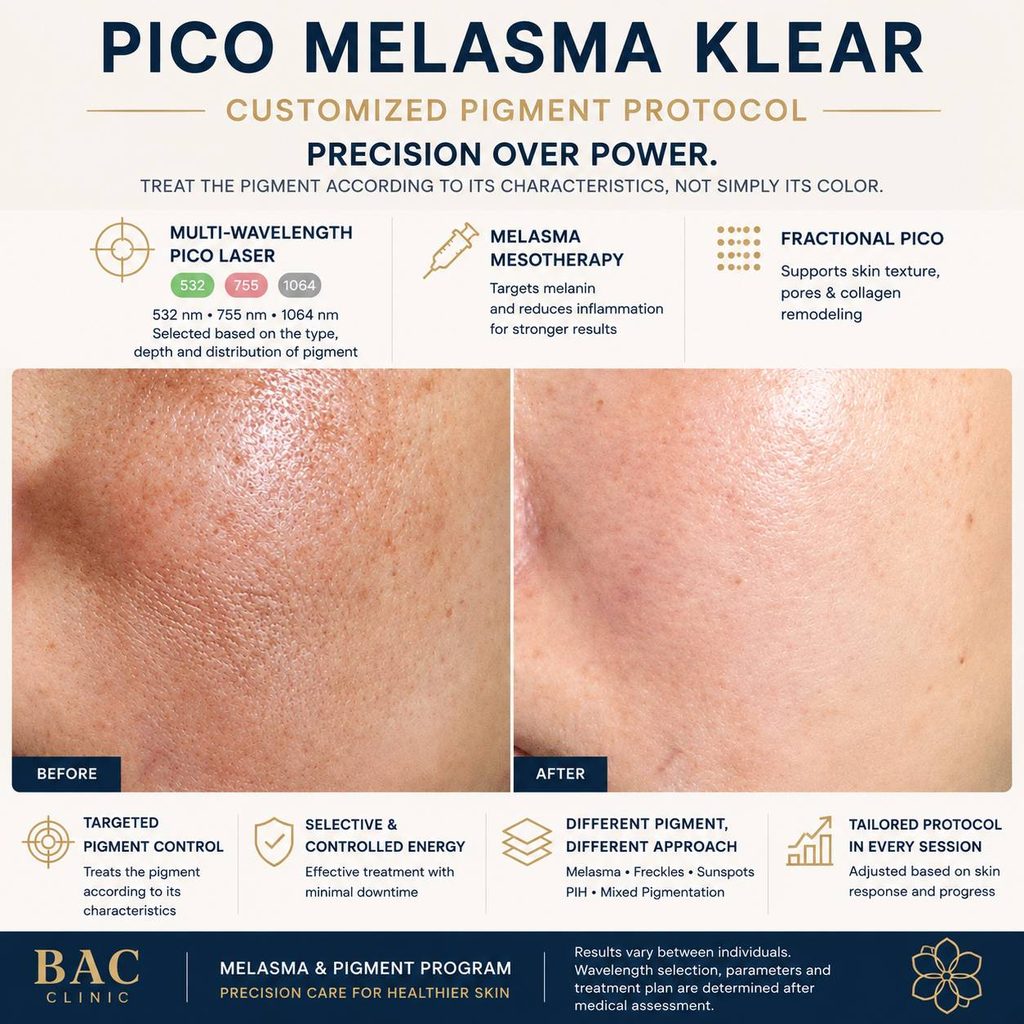
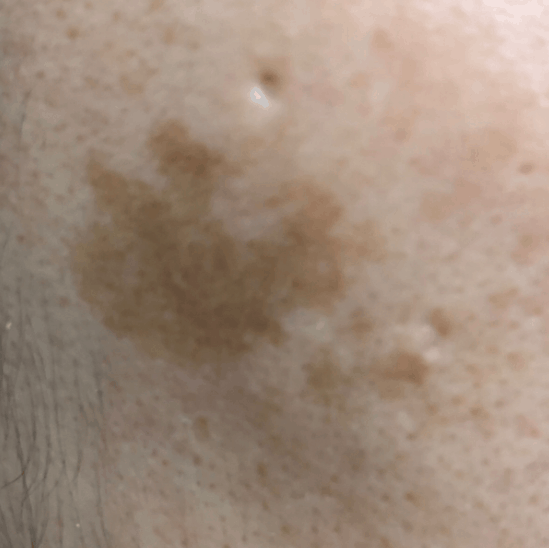
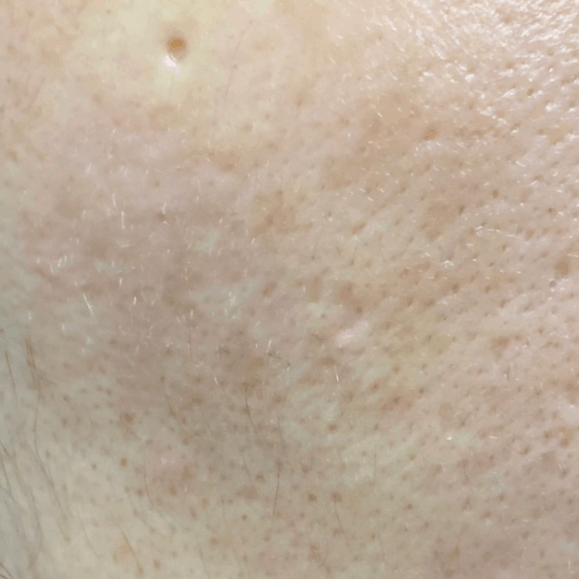
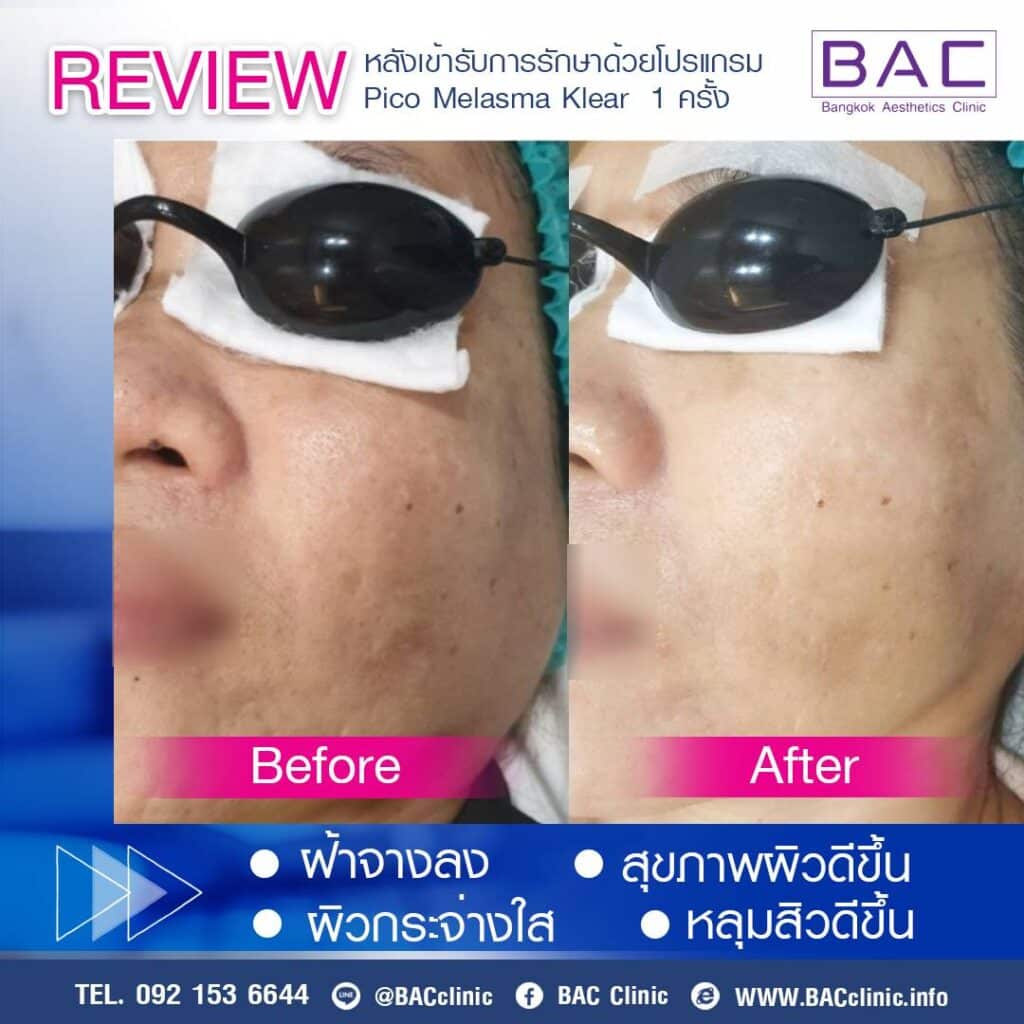
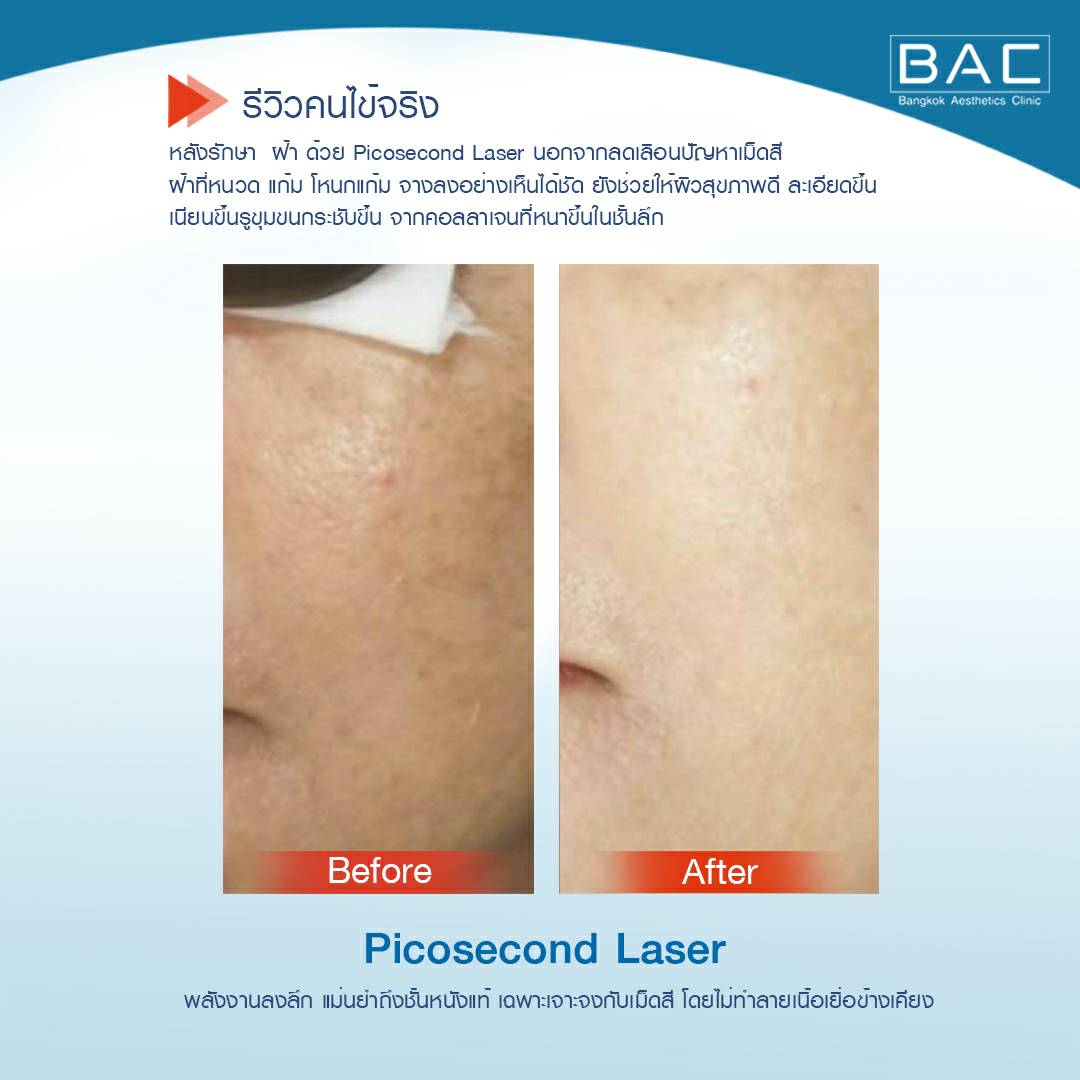
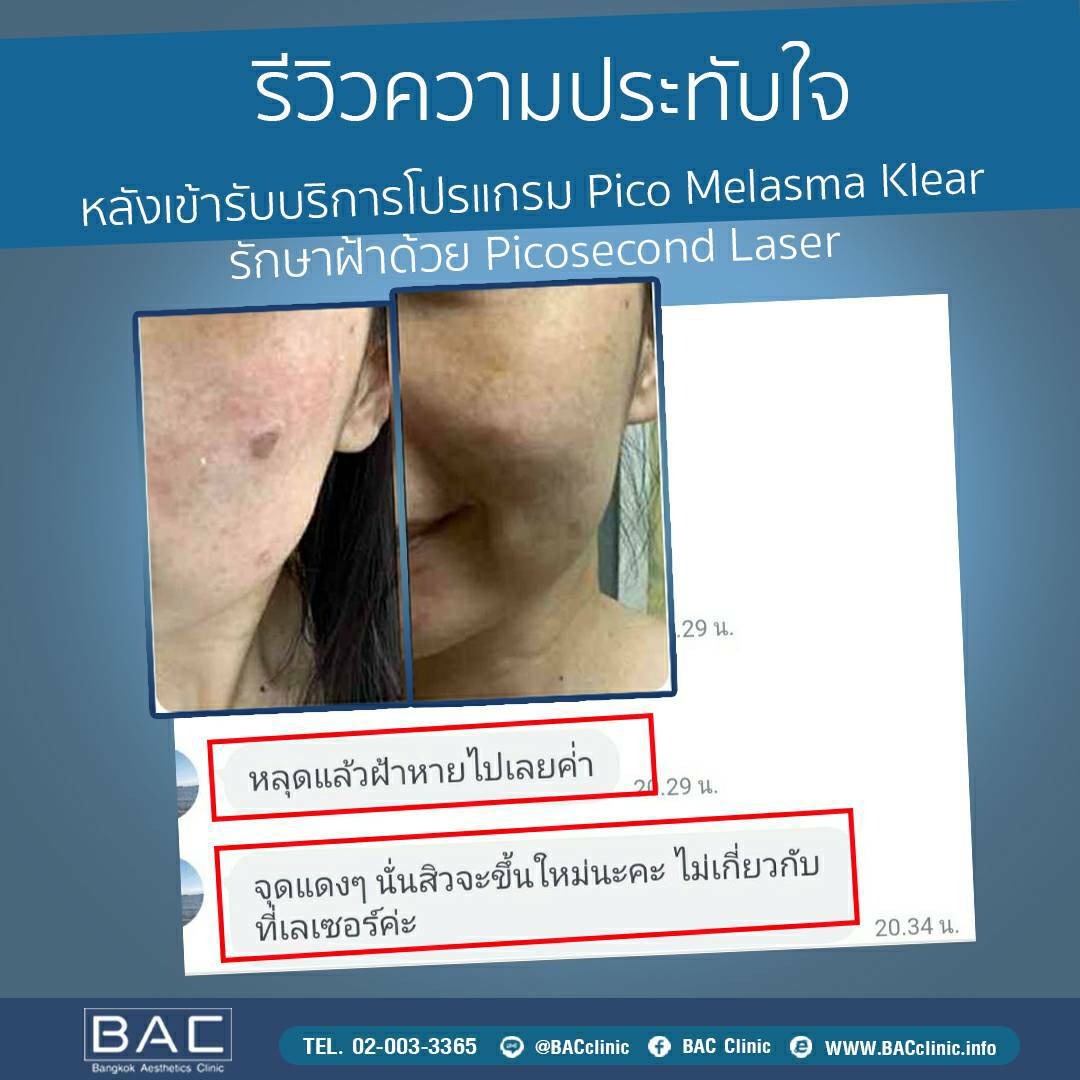
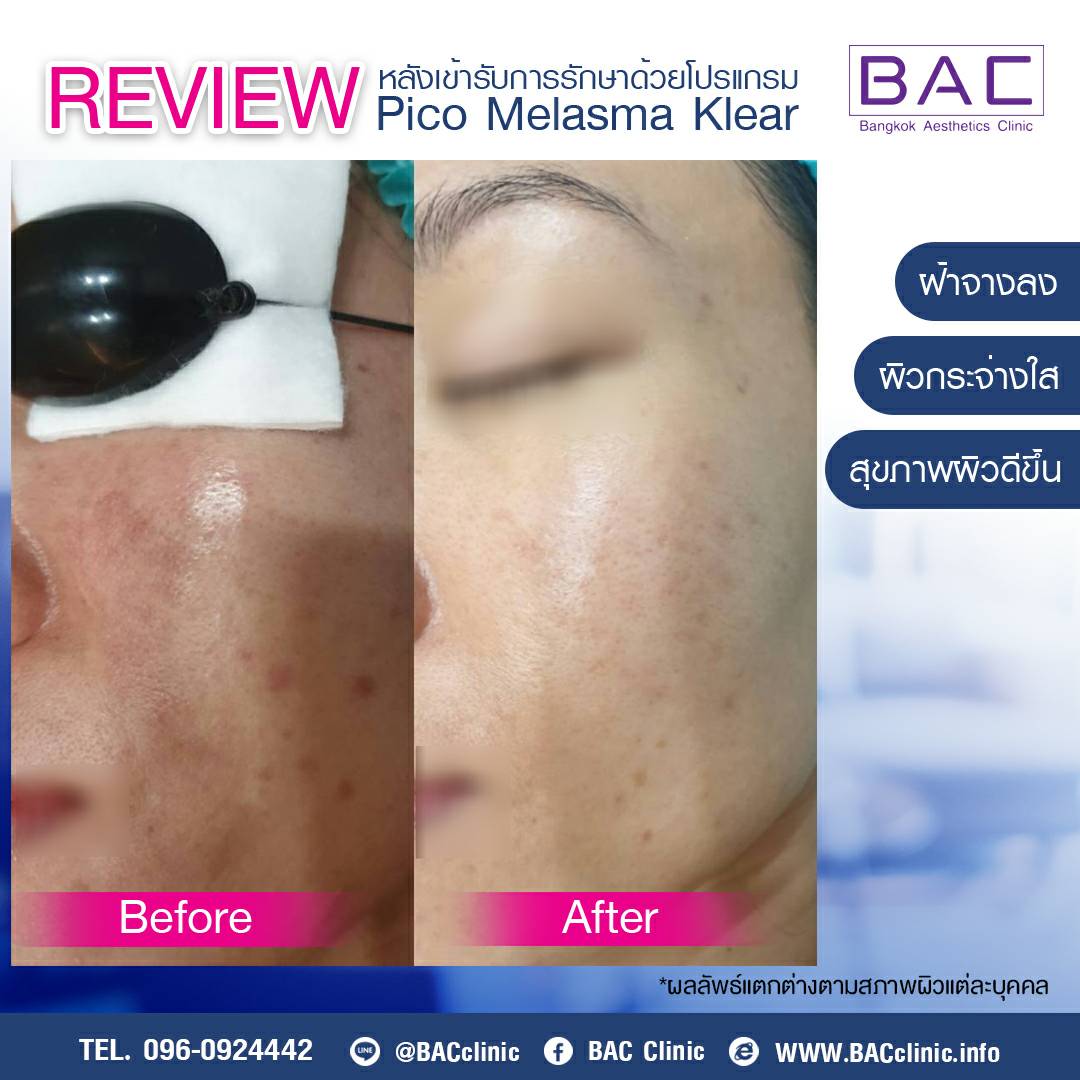
Treatment results for Hyperpigmentation:
Each session is spaced 14–28 days apart. Noticeable improvement is typically seen after the second session, with the skin appearing smoother and more radiant. Mild redness may occur after the treatment for no longer than two days, but no wounds are observed.
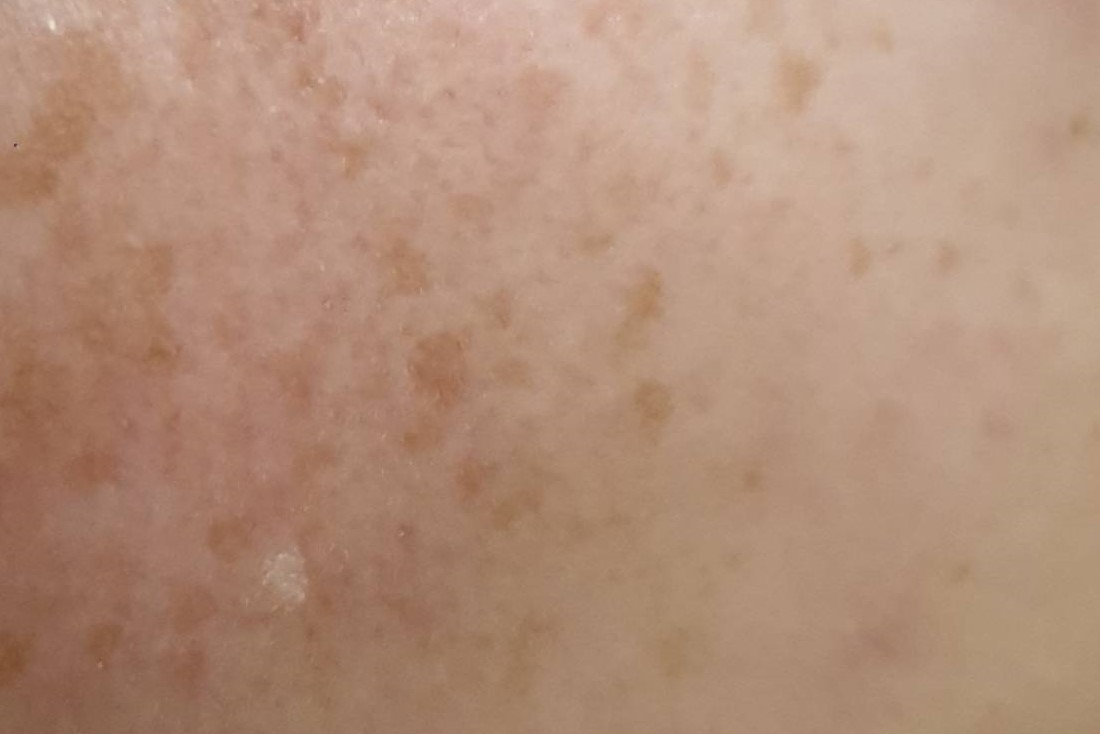
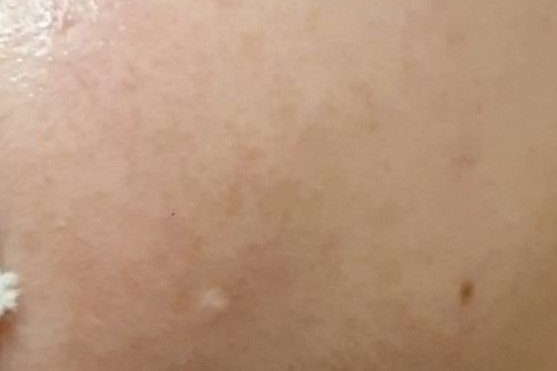
After the 2nd Pico Melasma Klear treatment
Results may vary from person to person.
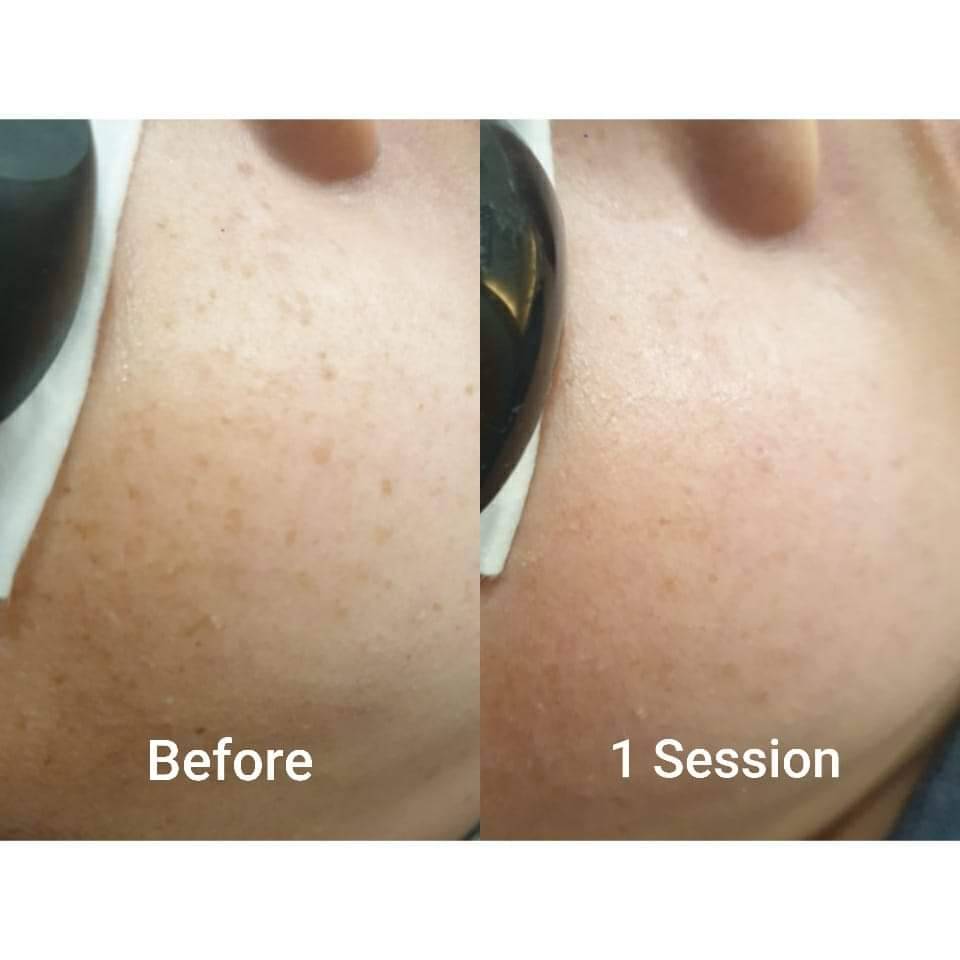
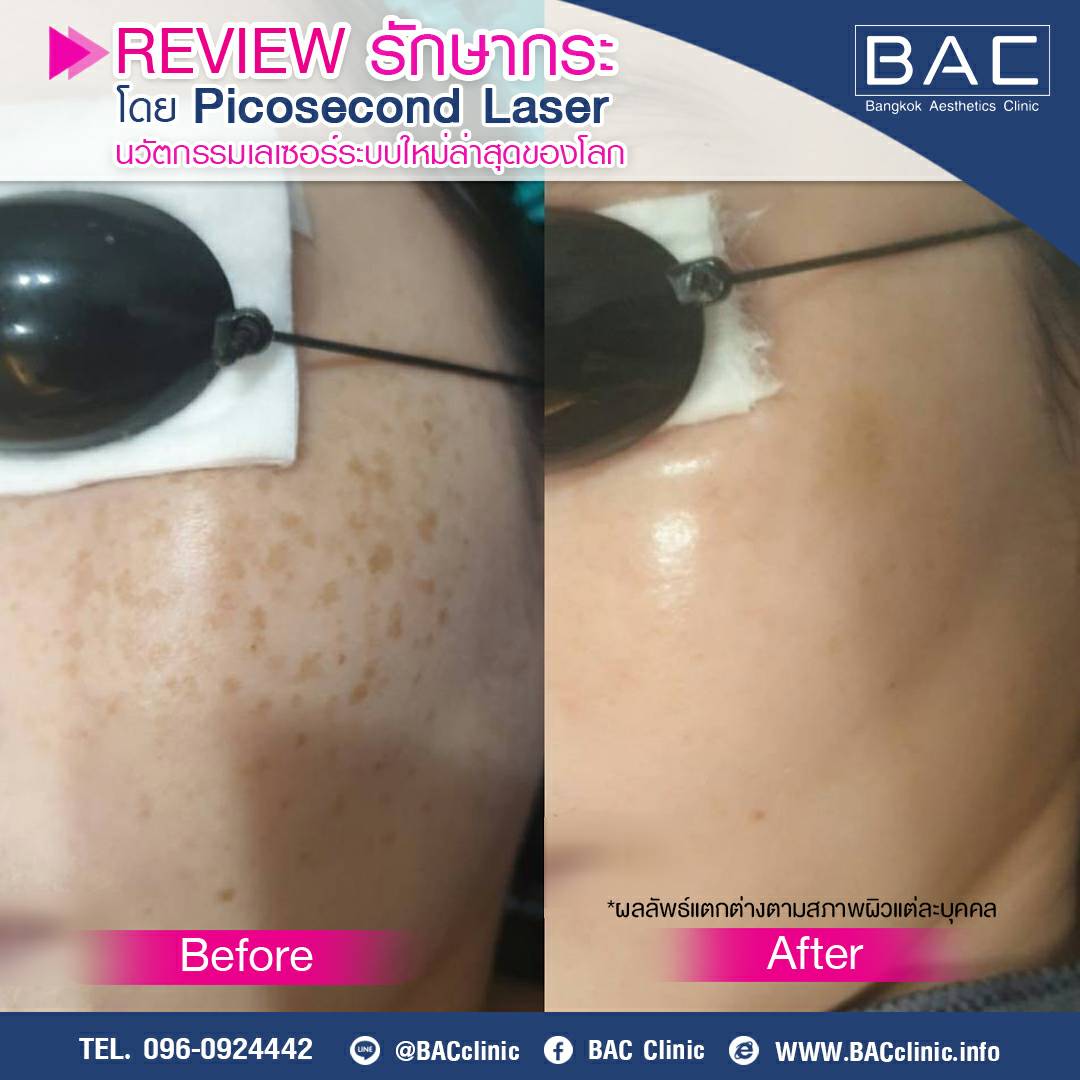
Freckle Treatment Results:
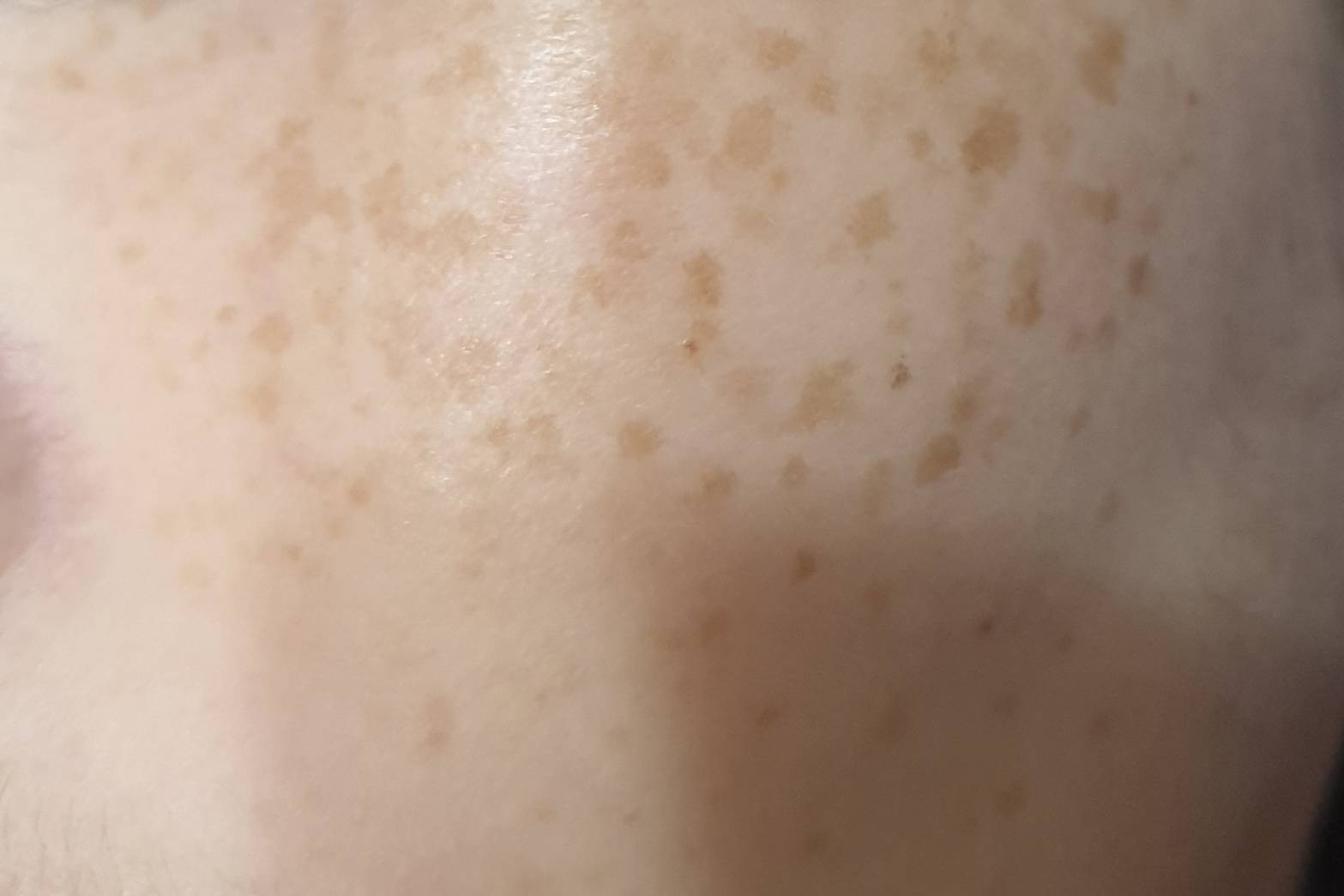
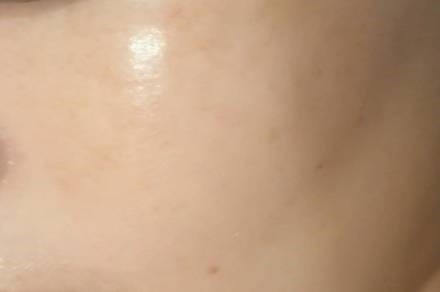
After the 3rd Pico Bright Radiant treatment for freckles
Results may vary from person to person.
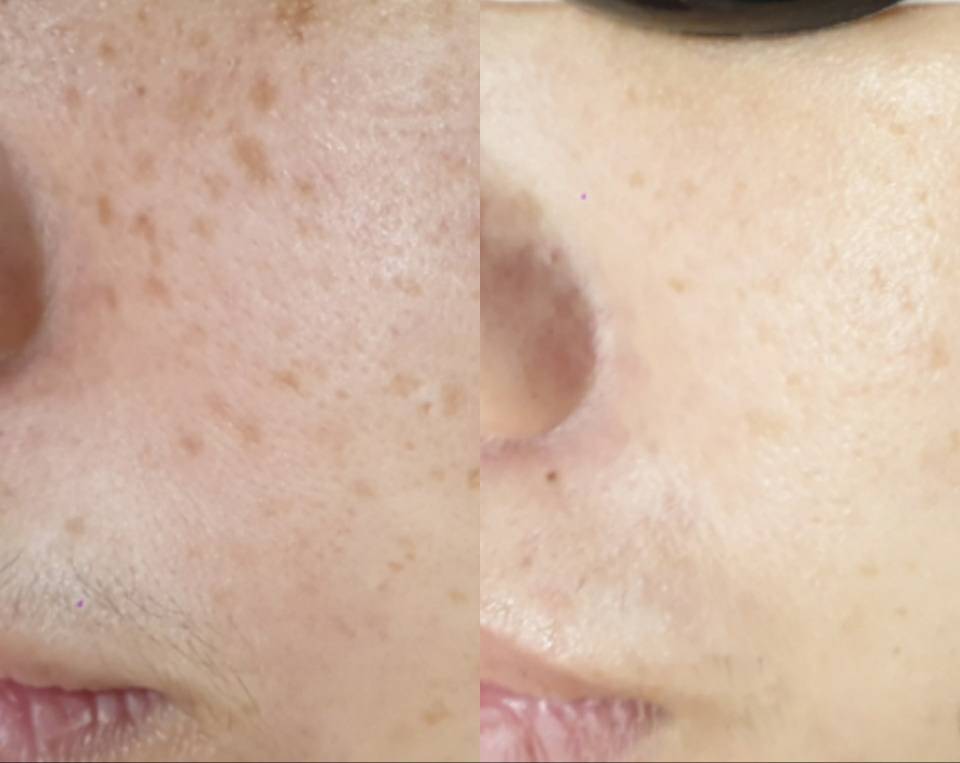
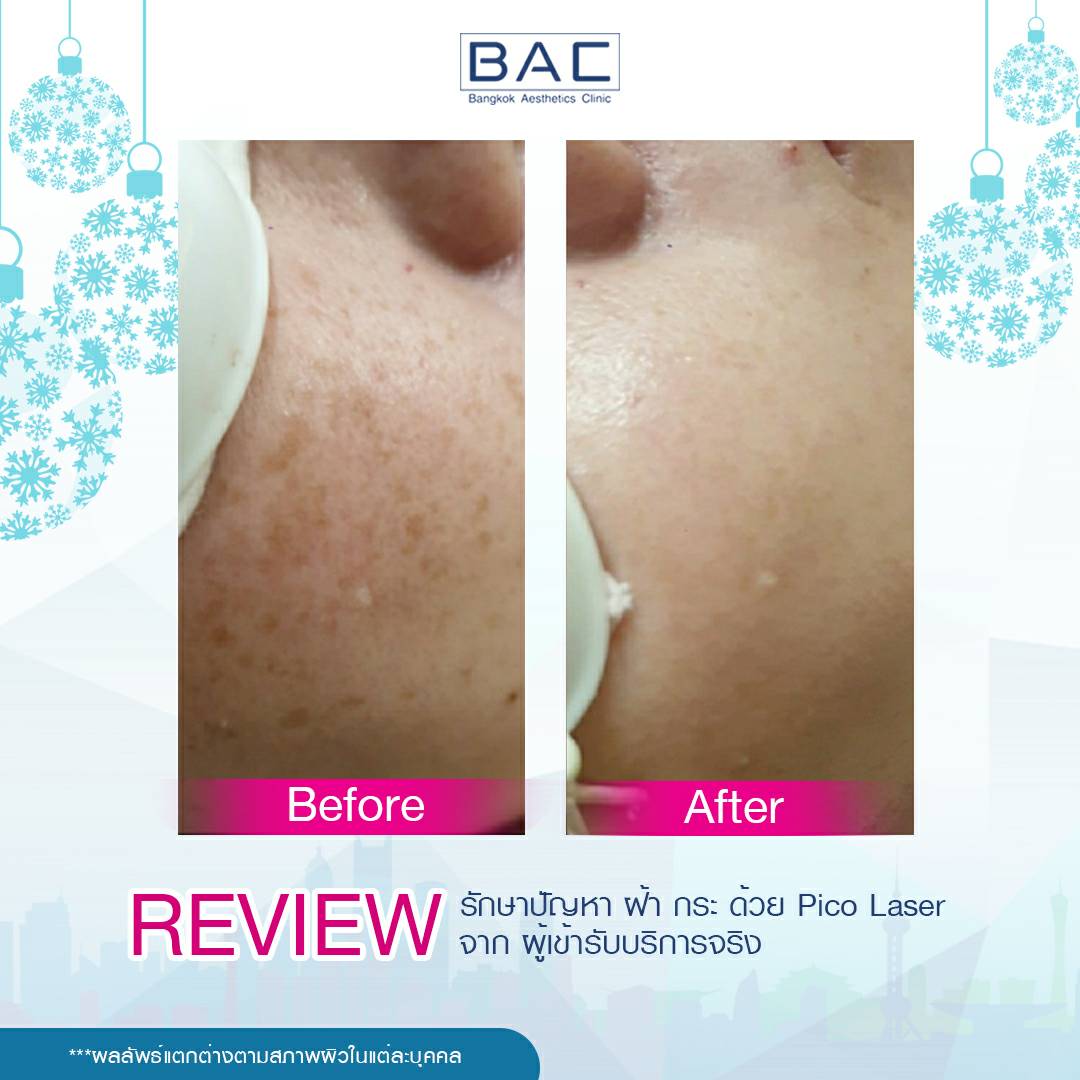
After the 1st Pico Bright Radiant treatment for sun freckles
Results may vary from person to person.
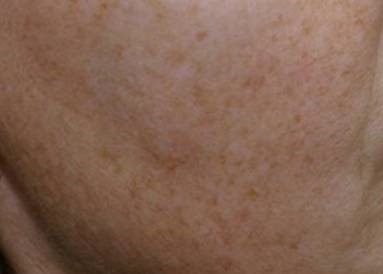

2 weeks after the 1st Pico Bright Radiant treatment for age spots
Results may vary from person to person.
Learn more: รักษาฝ้าที่ไหนดี, https://bangkokacnescarrevision.com/picosecond-laser/
Clinic Information
Bangkok Aesthetic Clinic (BAC)
180 Sixteenth Place Building, Sukhumvit Soi 16, Khlong Toei, Bangkok 10110, Thailand
Tel: +66 (0)2 003 3365
LINE: @bacclinic
Email: baclasercenter@gmail.com
Hours:
Tue–Fri: 11:00 AM – 8:00 PM
Sat–Sun: 11:00 AM – 7:00 PM
Closed on Monday
Getting Here:
- BTS Asok Station (Exit 6) — 10-minute walk
- Taxi: Ask for “BAC Clinic, Sukhumvit Soi 16 (บีเอซีคลินิก ซอยสุขุมวิท 16)
Book Your Consultation Today
Discover how a simple, non-surgical treatment can transform your profile and confidence.
Our doctors at BAC Clinic are here to guide you through every step — from consultation to result.
BAC Clinic — Where Precision Meets Confidence.
Key Take-Home Messages and Patient FAQs
Key Take-Home Messages
- Melasma Control Requires Multi-Layer Care: Long-term melasma management involves clearing superficial pigment, addressing deep dermal deposits, and strengthening the dermal-epidermal junction.
- Intradermal Therapy Restores Skin Resilience: Direct delivery of amino acids, hyaluronic acid, and antioxidants rebuilds the dermal matrix and stabilizes overactive melanocytes.
- Picosecond Lasers Provide Precise Clearance: Ultra-short laser pulses fragment deep pigment into micro-dust through photoacoustic impact, minimizing thermal damage.
- Maintenance Is Essential: Ongoing sun protection, home skin care, and periodic maintenance treatments help sustain smooth, clear skin over time.
Patient FAQs
Q1: How many treatment sessions will I need?
For mild or epidermal hyperpigmentation, the Bio-Revitalize Program generally requires 3 to 4 initial sessions spaced 2 to 4 weeks apart. For deep, mixed, or recalcitrant melasma, the combined Picosecond Laser + PRP + Mesotherapy protocol typically involves 3 to 5 sessions every 4 to 6 weeks, followed by maintenance every 3 to 6 months.
Q2: Is the combined procedure painful, and what is the expected downtime?
Topical numbing cream applied for 30 to 45 minutes keeps discomfort to a minimum. Mild post-treatment redness and tiny injection papules usually resolve within 12 to 24 hours, allowing patients to quickly return to their daily routines.
Q3: When can I expect to see visible improvements?
Skin hydration and brightness often improve within 1 to 2 weeks following Bio-Revitalize treatments. Fading of deeper dark spots and melasma typically develops over 4 to 8 weeks as fragmented melanin particles are cleared naturally by the body.
Q4: Can melasma return after completing the protocol?
Because melasma is influenced by internal factors like hormones and external triggers like UV light, periodic flare-ups can occur. Maintaining results requires consistent broad-spectrum sun protection and periodic booster treatments every 3 to 6 months.
Conclusion
Managing complex facial hyperpigmentation, melasma, and dark spots requires a comprehensive approach that goes beyond superficial skin exfoliation. The clinical protocols at Bangkok Aesthetic Clinic (BAC Clinic)—integrating targeted Bio-Revitalize intradermal therapy, Autologous PRP, Pigment Mesotherapy, and Picosecond Laser technology (1,064 nm, 755 nm, 532 nm)—address pigmentation at its root causes. By shattering existing pigment while simultaneously rebuilding the dermal matrix and soothing inflammation, these combined treatments deliver effective clearance and support long-term skin resilience.
Disclaimer
This article is for informational and educational purposes only and does not constitute formal medical advice, diagnosis, or treatment recommendations. Clinical results vary based on individual skin biology, pigment depth, health history, and compliance with post-care instructions. Always consult a qualified dermatologist or medical practitioner before undergoing advanced aesthetic procedures.
Learn more: