
How advanced intradermal therapy works — and when to combine it with Picosecond Laser for deeper pigment cases
Introduction
Melasma (facial hyper-pigmentation) remains one of the most challenging aesthetic skin disorders, especially in patients with Fitzpatrick skin types III–V. While many topical creams and superficial peels exist, relapse is common and many patients are left searching for effective, long-term solutions.
At BAC Clinic, we offer an integrative protocol centred on mesotherapy (intradermal micro-injections of key nutrients) branded as our Bio-Revitalize Program, designed specifically for melasma correction. In more severe or recalcitrant cases, we incorporate picosecond laser therapy to target deeper pigment disruption and structural renewal. This article will explain the science, protocol, clinical evidence, patient selection, combination strategy, and practical guidance for patients considering this treatment path.
Understanding Melasma: Pathophysiology and Treatment Challenge
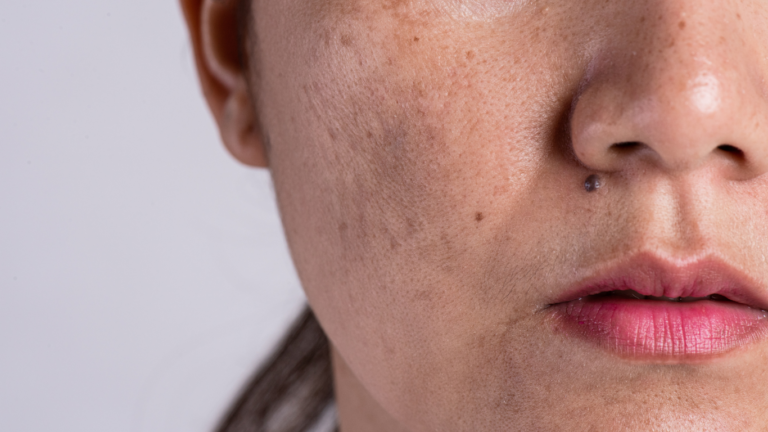
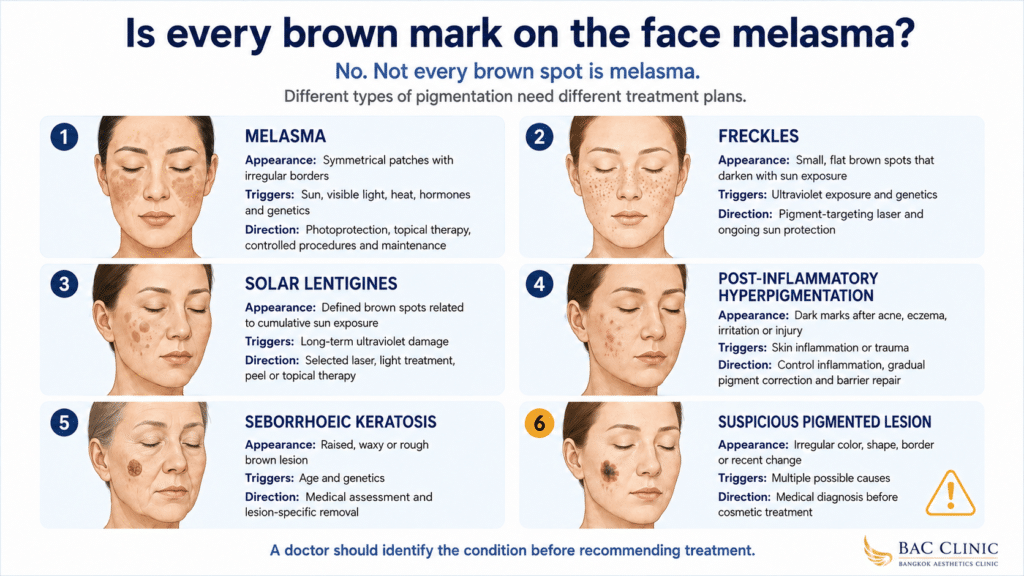
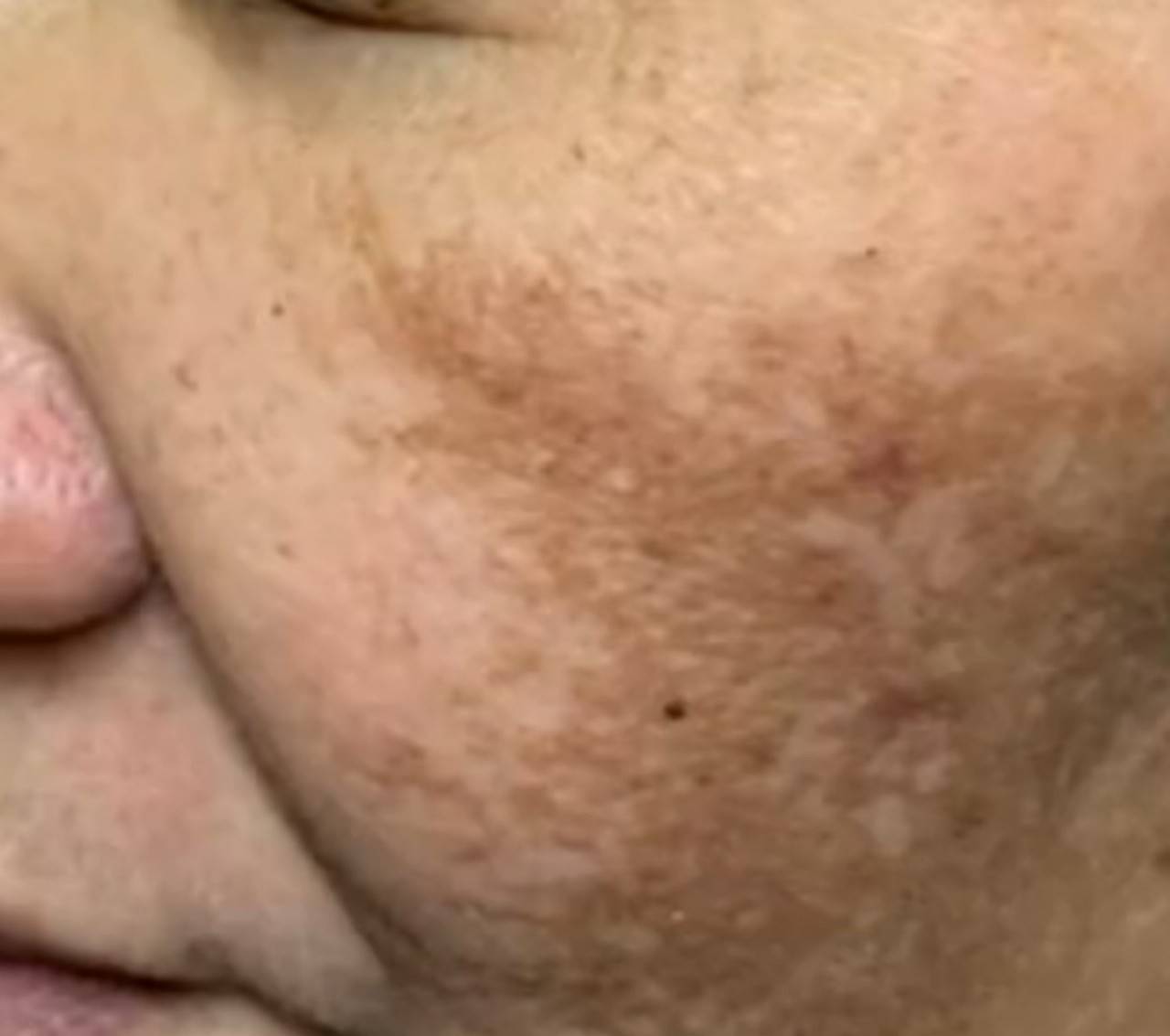
Melasma is defined as an acquired hyper-pigmentation disorder characterised by symmetrical brown-to-grey macules on sun-exposed facial areas. Key pathogenic factors include:
- Hormonal influences (e.g., oestrogen/progesterone) up-regulating melanocyte tyrosinase activity.
- Chronic ultraviolet (UV) or visible light exposure triggering oxidative stress, vascular changes, and dermal alterations.
- Inflammatory micro-environment with increased mast cells, vascular endothelial growth factor (VEGF), matrix-metalloproteinases (MMPs) affecting the dermal–epidermal junction.
- Genetic predisposition (e.g., MC1R variants) and persistent melanocyte hyper-responsiveness.
Melasma is often classified as epidermal (melanin in the superficial layer), dermal (melanin deeper in dermis/metaplasia), or mixed type. Mixed and dermal types are notoriously more difficult to treat. The challenge arises because many treatments focus only on the epidermal component, while fail to address structural dermal changes or stabilise melanocyte activity long-term. Aggressive therapies sometimes provoke rebound hyper-pigmentation (PIH) or skin thinning.
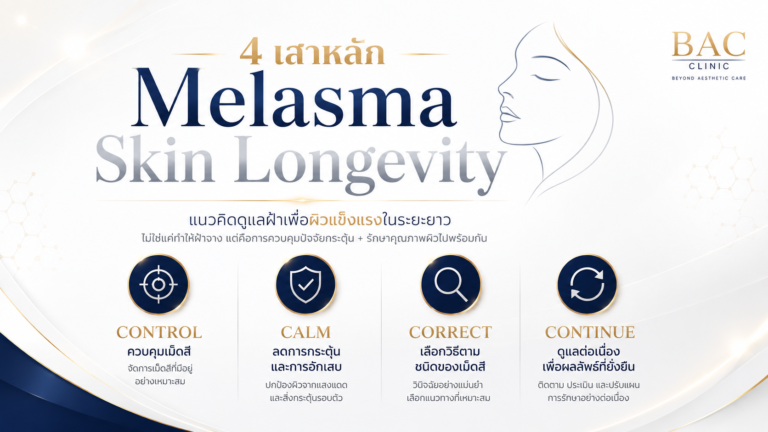
In summary: effective melasma management requires a strategy that not only reduces existing pigment, but also stabilises melanocyte function, strengthens the skin barrier, remodels dermal-epidermal structure, and promotes photoprotection and maintenance.
Mesotherapy: Principles and Clinical Rationale for Melasma
Mesotherapy, in the dermatologic aesthetic context, refers to micro-injections into the dermis or superficial subdermal layers of a customised cocktail of nutrients, peptides, antioxidants, hyaluronic acid, or other biologically active ingredients. The rationale for its use in melasma includes:
- Delivery of active compounds directly into the skin (bypassing stratum corneum penetration issues).
- Hydration and strengthening of the dermal-epidermal matrix to resist pigment relapse.
- Antioxidant protection and inhibition of melanogenesis (melanin formation).
- Support of fibroblast activity and collagen synthesis, improving skin resilience.
Clinical Evidence
Although the evidence base is less extensive than for topical or laser interventions, a number of studies and reviews support mesotherapy as an adjunct or alternative in melasma management. For example:
- A review on mesotherapy for melasma found that intradermal therapies (e.g., with tranexamic acid and ascorbic acid) can produce significant reductions in visceral pigment index scores.
- A split-face randomized clinical trial comparing tranexamic acid mesotherapy vs topical hydroquinone showed significant pigment reduction in the mesotherapy side. JCAD
- A multicenter study of mesotherapy for melasma concluded that it may be a good alternative or adjunct in patients refractory to first-line therapy. PubMed
Thus, mesotherapy offers clinical benefit, especially when part of a multi-modal protocol.
Mechanisms Specific to Melasma
In melasma treatment, the mesotherapy cocktail should be designed to:
- Inhibit tyrosinase and melanocyte activity (e.g., via antioxidants or specific agents).
- Provide dermal hydration (hyaluronic acid) and improve skin barrier integrity.
- Support fibroblasts and dermal matrix (via amino acids, peptides) to reduce dermal-epidermal fragility and pigment entrapment.
- Counter oxidative stress and vascular components (via antioxidant complexes) which contribute to melasma persistence.
At BAC Clinic, our Bio-Revitalize Program employs precisely this approach: we present micro-injections of hyaluronic acid, amino acids (glycine, lysine, proline, hydroxyproline), antioxidant complexes (e.g., vitamin C and glutathione) with the purpose of restructuring the skin from within, stabilising pigment and reinforcing the skin’s resilience.
Clinical Advantages & Limitations
Advantages:
- Minimally invasive, shorter downtime compared with deep chemical peels or ablative lasers.
- Good adjunct for patients with compliance issues or topical therapy resistance.
- Enhances skin health, not only pigment reduction.
Limitations: - Evidence base still evolving; not all formulations are equal. PMC+1
- May require multiple sessions and adjunctive therapies for mixed/dermal melasma.
- Outcomes vary depending on skin type, sun exposure, and maintenance.
Therefore, educating patients is key: results are possible, but maintenance and combined strategies often required.
Picosecond Laser: Indications, Evidence, and Why Combine
For melasma especially of mixed or dermal type, picosecond lasers have emerged as a valuable modality. Unlike older nanosecond Q-switched lasers which rely on photothermal mechanisms and carry higher risk of PIH, picosecond lasers utilise photoacoustic/pressure wave effects to disrupt pigment particles with minimal heat and damage to surrounding tissue. PMC+2ScienceDirect+2
Clinical Evidence in Melasma
- A prospective study in Asian skin using 1064 nm fractional picosecond laser showed statistically significant melasma improvement with minimal adverse effects. Wiley Online Library+1
- A randomized, split-face study of 755 nm picosecond in dark-skinned individuals demonstrated safety and efficacy in melasma treatment. PubMed
- Review of 755 nm and 1064 nm picosecond lasers in pigmentation disorders in Asians confirmed faster, safer pigment clearance compared with older technologies. PMC
In summary: in properly selected patients and using appropriate fluences, picosecond lasers offer a powerful option for sub-epidermal/dermal pigment and recalcitrant melasma.
Rationale for Combination with Mesotherapy
Given that mesotherapy addresses dermal matrix strength, antioxidant support and long-term pigment stabilisation, while picosecond lasers provide active pigment disruption, combining the two can yield synergistic benefits:
- Laser clears pigment and stimulates regeneration.
- Mesotherapy supports post-laser healing, reduces risk of rebound, and strengthens the dermis-epidermis to resist future pigment re-accumulation.
- Together, the combination offers a deeper, more comprehensive approach suited to severe melasma rather than single modality alone.
At BAC Clinic, we recommend mesotherapy as the core Bio-Revitalize program for moderate melasma, and escalate to combined therapy (mesotherapy + picosecond laser) in more severe, deep-type, or recurrent cases.
BAC Clinic’s Protocol: The Bio-Revitalize Program and Laser Integration
Initial Assessment & Classification
Every patient begins with a thorough medical dermatologic consultation:
- Fitzpatrick skin type, sun-exposure history, hormonal context, prior treatments.
- Pigment classification (epidermal vs dermal vs mixed) via Wood’s lamp, dermoscopy, imaging.
- Baseline photography and melasma severity index (e.g., MASI or mMASI).
This classification guides choice of modality: mesotherapy alone vs combination.
Bio-Revitalize Mesotherapy Program (for melasma)
Key elements:
- Micro-injections of medical-grade hyaluronic acid, amino acid cocktail, antioxidant complex (e.g., vitamin C, glutathione).
- Typically performed every 2–4 weeks for initial 3–4 sessions, followed by maintenance every 8–12 weeks.
- Adjunctive care: broad-spectrum sun protection, barrier repair serums, topical pigment stabilisers if needed.
Indications: Mild to moderate melasma, epidermal type, compliance issues with topicals, patient preference for less aggressive treatment.
Expected Outcomes: Gradual reduction of pigment, improved skin hydration, smoother texture, reduced relapse risk if maintained.
Safety Profile: Low downtime, minimal side effects when done by trained physicians.

Escalation to Combined Therapy (Mesotherapy + Picosecond Laser)
In cases of:
- Mixed or dermal melasma
- Recurrent melasma after previous treatments
- Large pigment area, thick patches or resistant to topicals/peels
We integrate:
- Picosecond laser (e.g., 1,064 nm or 755 nm) one session every 4–6 weeks (typically 3–5 sessions)
- Mesotherapy sessions inter‐spaced between laser sessions or post-laser for healing support.
- Ongoing maintenance with mesotherapy, sun protection, topical stabilisers
Benefit: The laser provides rapid pigment disruption; mesotherapy reinforces dermal structure, reduces risk of rebound, and prolongs results.
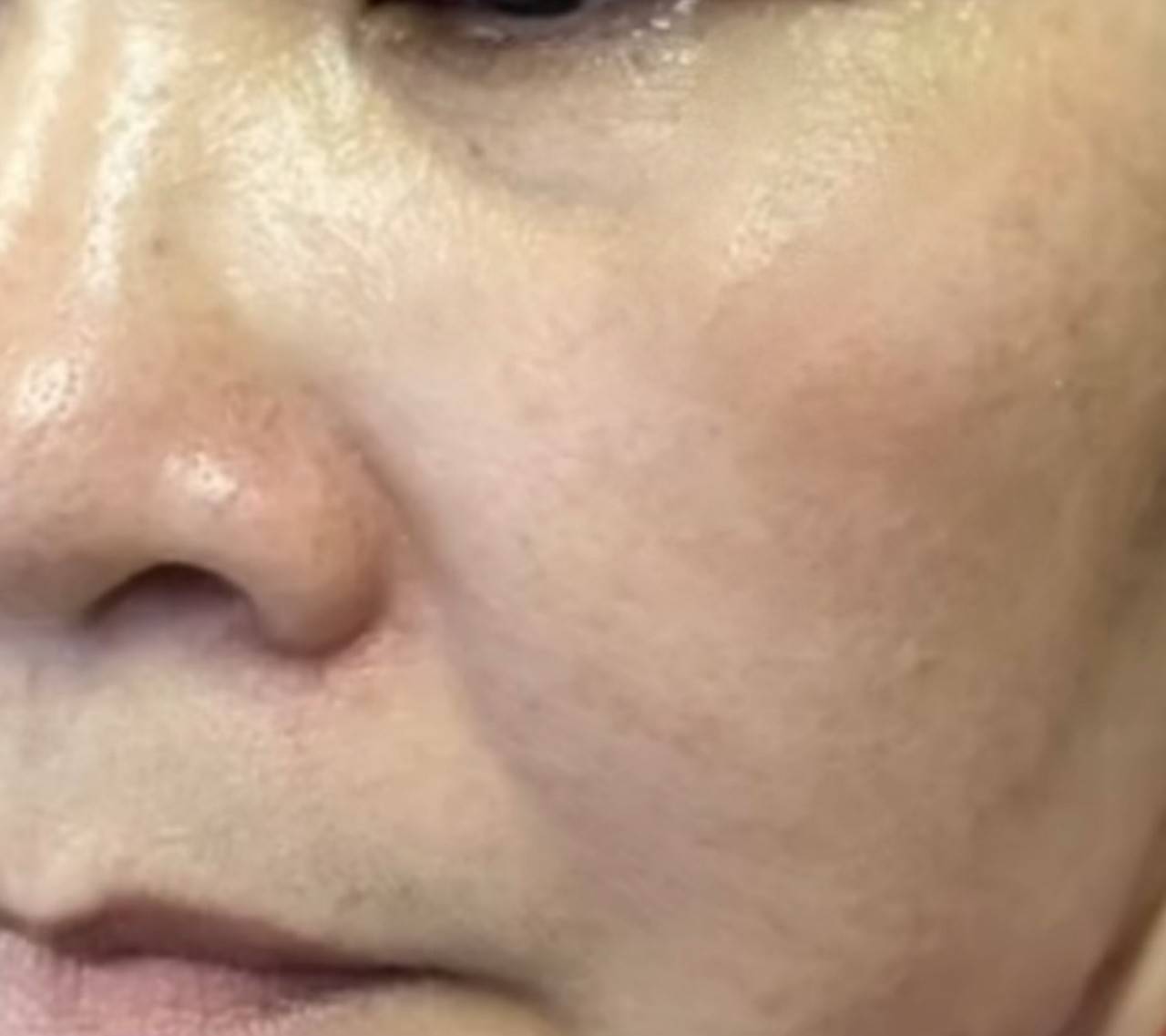
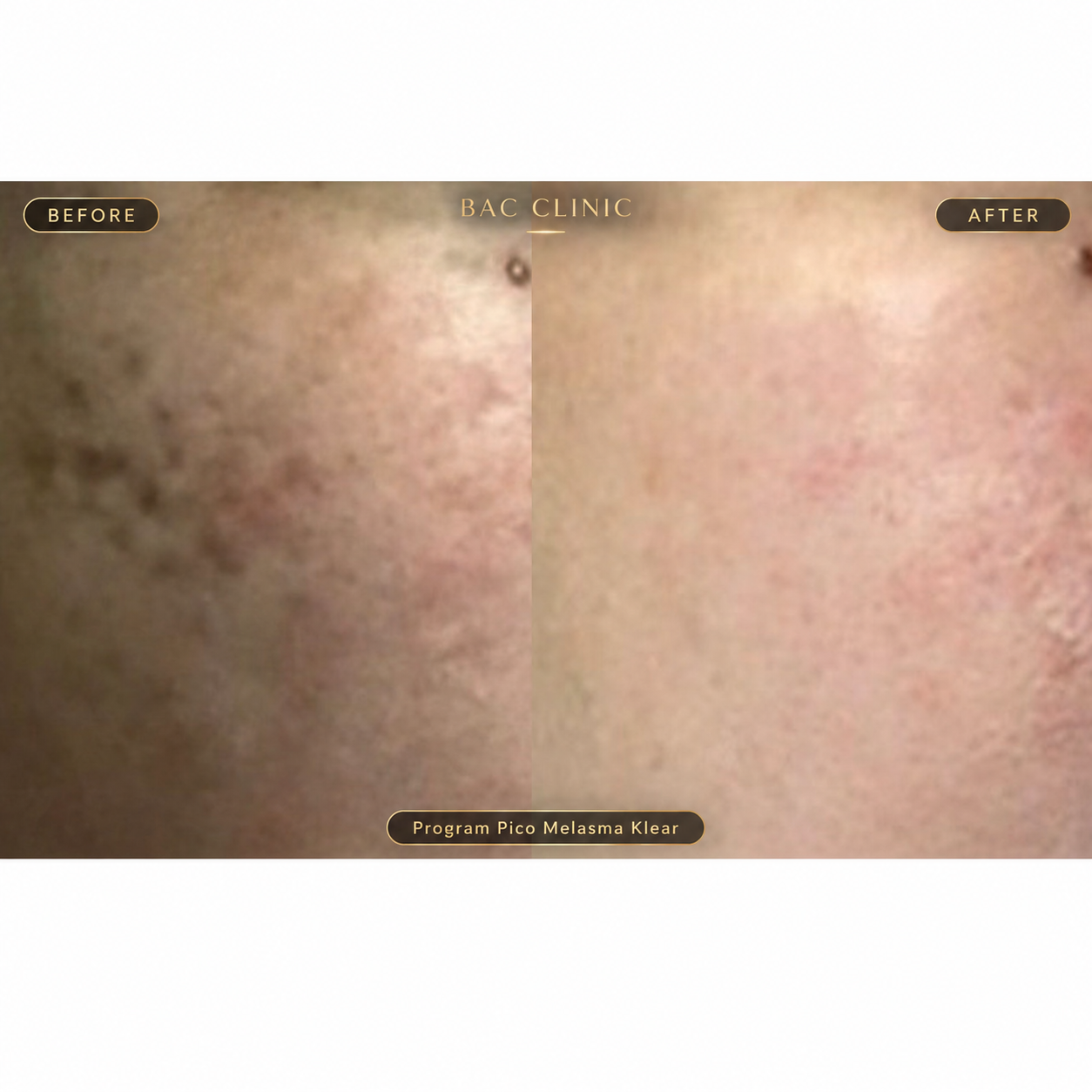
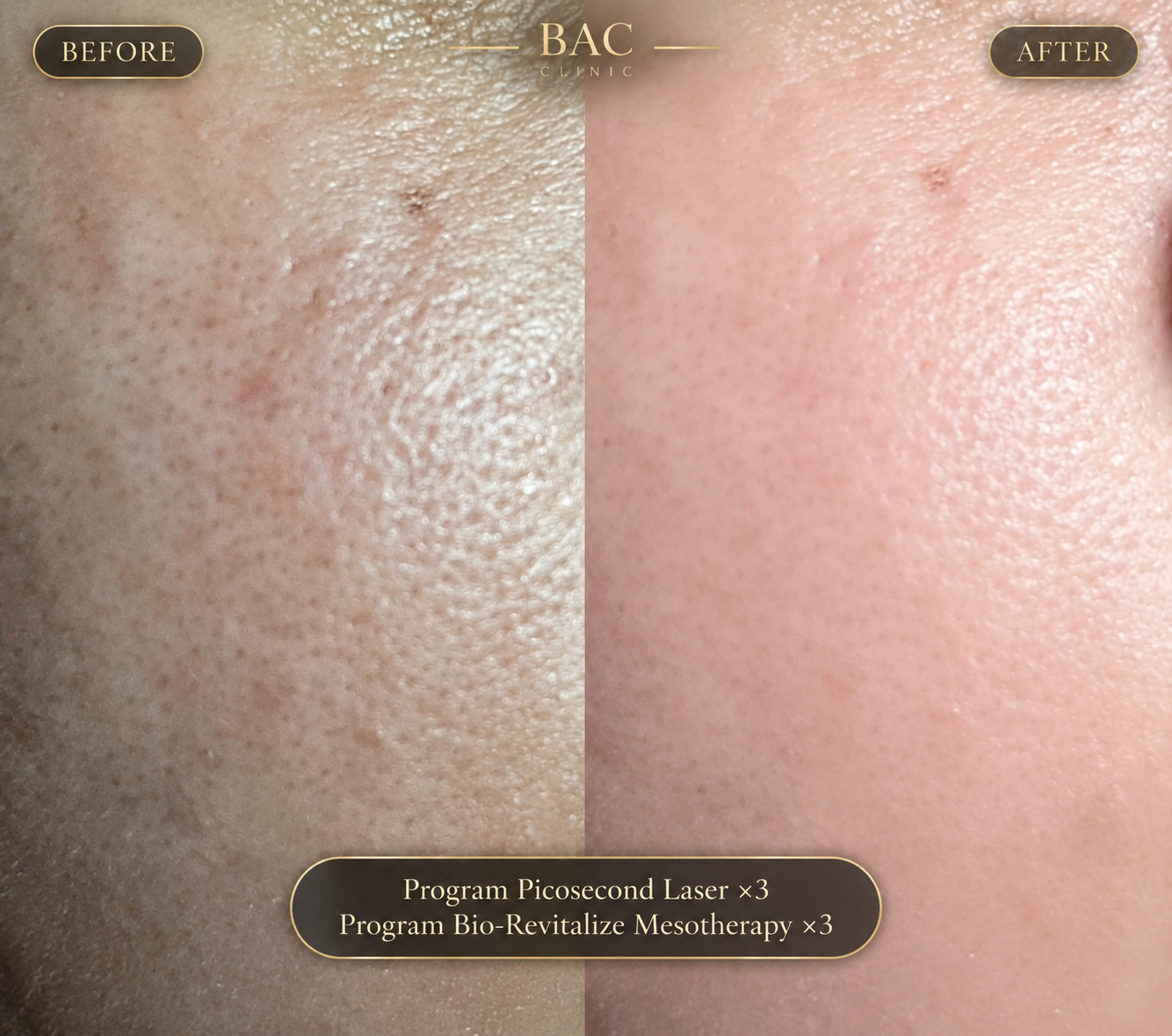
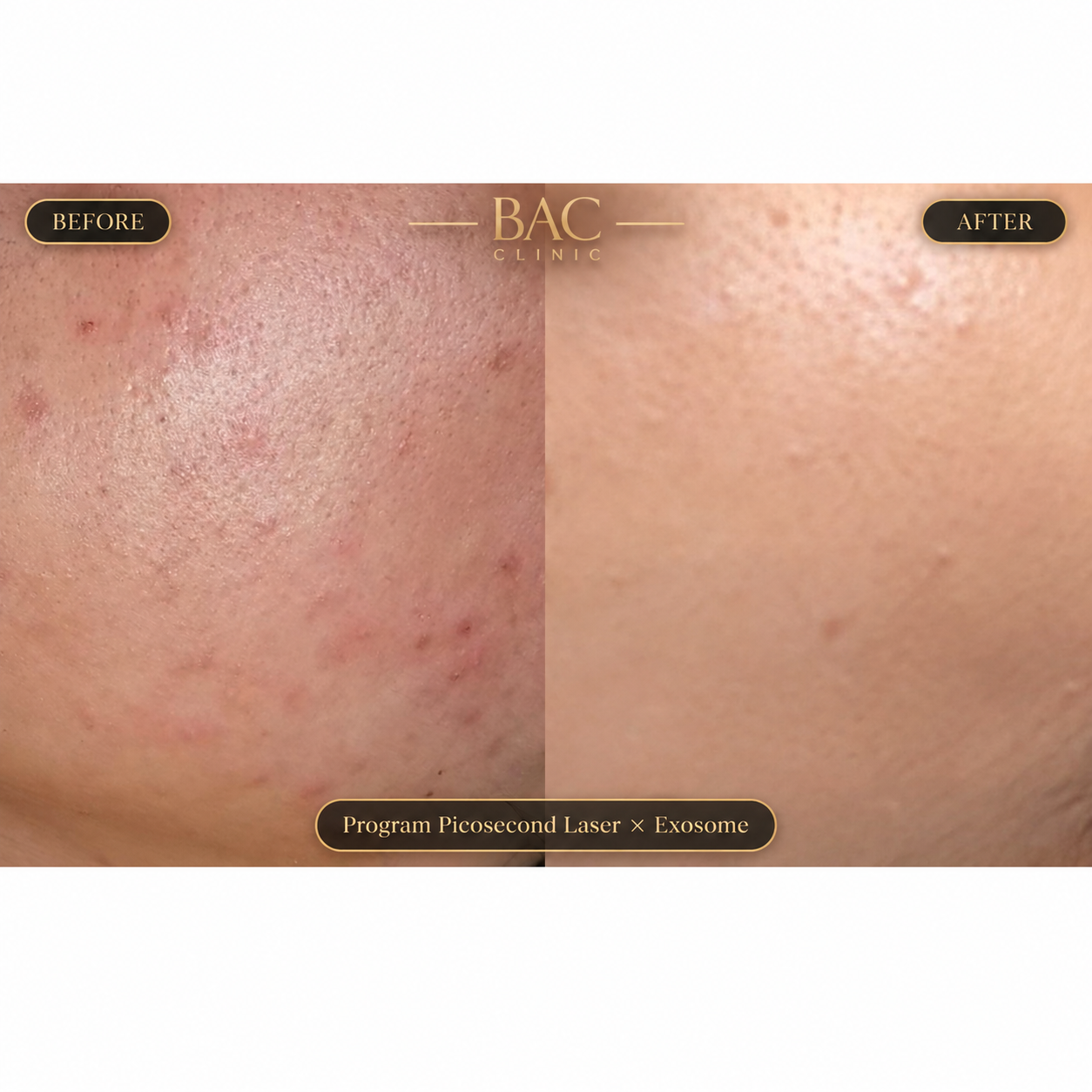
Melasma Treatment Result
Program Pico Melasma Klear × Bio-Revitalize Mesotherapy
Realistic Expectations & Maintenance
It is critical patients understand:
- Melasma is chronic and may require ongoing maintenance.
- Results vary according to skin type, sun exposure, hormonal factors, compliance.
- Combination therapy increases cost/time but offers higher durability.
At BAC Clinic we emphasise results “may vary” and tailor the program individually. Maintenance visits every 3–6 months, strict photoprotection and topical support remain essential.
Mechanisms & Ingredients Behind the Program
Hyaluronic Acid (HA)
Injected HA improves dermal hydration, increases extracellular matrix volume, and supports fibroblast micro-environment. This indirectly supports pigment stability and enhances skin resilience.
Amino Acids (Glycine, Lysine, Proline, Hydroxyproline)
Essential building-blocks for collagen and elastin; promote dermal matrix repair and structural integrity, which is particularly relevant in melasma where dermal changes exist.
Antioxidant Complex (e.g., Vitamin C & Glutathione)
- Vitamin C: Inhibits tyrosinase, reduces free-radical induced melanocyte activation. Lippincott+1
- Glutathione: Antioxidant, switches melanin production from eumelanin to pheomelanin, reducing visible pigment load. henrypublishers.com
Together they stabilise pigment and improve skin tone.
Laser Mechanism (Picosecond)
Picosecond lasers deliver ultra-short pulses (10⁻¹² s) generating photoacoustic shock waves that physically and mechanically disrupt melanin granules without significant heat diffusion. This reduces risk of PIH, particularly important in Asian skin. PMC+1
Post-laser, the dermis enters a repair phase; mesotherapy supports this repair and reduces recurrence.
Patient Journey at BAC Clinic (Step-by-Step)
- Consultation & Skin Assessment – review of history, imaging, pigment classification.
- Treatment Plan – either Mesotherapy alone or Combined Laser + Mesotherapy depending on severity.
- Mesotherapy Session – topical anaesthetic, micro-injections across affected zones, office downtime minimal.
- Laser Session (if indicated) – Picosecond laser applied, immediate cooling, post-care instruction.
- Post-Treatment Care – barrier repair, sun avoidance, photoprotection (SPF) counselling.
- Follow-Up & Maintenance – evaluation of results, reinforcement mesotherapy or laser polishing as needed.
Why BAC Clinic’s Approach is Unique
- Physician-led protocols, medical-grade formulations, imaging/analysis tools.
- Tailored combination protocols (mesotherapy + laser) rather than a one-size-fits-all.
- Emphasis on skin health not only pigment removal; reinforcing dermal architecture to minimise relapse.
- Focus on Asian skin — selection of safe fluences, monitoring of PIH risk, and maintenance strategies.
Key Take-Home Messages and Patient FAQs
Key Points:
- Mesotherapy offers a minimally invasive, dermal-focused strategy for melasma that complements topicals and peels.
- Picosecond lasers offer high efficacy for deeper/mixed pigment but should be combined with structural support (mesotherapy) for best durability.
- At BAC Clinic, our Bio-Revitalize Program is designed for melasma, and escalation to laser occurs for more severe cases.
- Realistic expectations and maintenance are essential.
FAQs:
“How many sessions will I need?” → Mild cases: mesotherapy 3–4 sessions, maintenance every 8–12 weeks. Severe/mixed cases: 3–5 laser + meso sessions, then maintenance.
“Is there downtime?” → Minimal with mesotherapy; laser may have mild redness, short recovery.
“When will I see results?” → Gradual improvement over 4–8 weeks; deeper pigment may require longer.
“Can I still get sun exposure?” → Strict photoprotection mandatory, otherwise relapse risk remains high.
“Will it work for me?” → Each skin is different; results vary by skin type, exposure, and compliance.
Conclusion
Melasma is a chronic, multifactorial pigment disorder which demands more than topical cream or single-modality treatment. The integrative protocol offered by BAC Clinic — centred on the Bio-Revitalize mesotherapy program and escalated to picosecond laser when required — offers a modern, evidence-based, comprehensive approach. By combining pigment fragmentation, dermal support, antioxidant stabilization and rigorous photoprotection, the goal becomes not just pigment clearance but durable skin health. For patients seeking a medically-led, tailored program for melasma correction, BAC Clinic stands at the forefront of this specialised care.
Disclaimer: This article is for informational and educational purposes only, and does not constitute medical advice. Results vary by individual skin type and condition.
Learn more: รักษาฝ้าที่ไหนดี , MELASMA TREATMENT , Melasma, Freckles & Dark spot Treatment