Subcision Bangkok for Rolling & Tethered Acne Scars
Subcision is a targeted acne-scar procedure designed to release fibrous bands beneath depressed scars. At BAC Clinic, treatment is selected according to scar structure—not simply by choosing one laser for every scar.
What is acne scar subcision?
Subcision is a minimally invasive technique used for selected depressed acne scars. A needle or blunt cannula is passed beneath the scar to release fibrous bands that tether the skin downward. Once the tethering is released, the scar base can lift and the healing response may support gradual collagen remodeling.
Release
Fibrous bands beneath selected depressed scars are mechanically released rather than treating only the skin surface.
Reposition
Releasing tethering can allow the depressed scar base to sit more level with the surrounding skin.
Remodel
Healing after the procedure may contribute to new connective tissue formation. Additional treatments can be considered for texture or narrow scars.
Which acne scars may benefit from subcision?
Subcision is not automatically the correct treatment for every depressed acne scar. The key question is whether the scar is tethered to deeper tissue.
- Rolling scars: commonly associated with broad depressions and fibrous tethering.
- Tethered boxcar scars: selected scars may benefit if downward attachment is present.
- Mixed scars: often require more than subcision because different scar shapes coexist.
- Ice-pick scars: usually need a focal treatment such as TCA CROSS rather than subcision alone.
Why “laser only” may not solve a tethered scar
If a depressed scar is physically anchored downward by fibrous bands, resurfacing the skin alone may not fully address the underlying tethering.
BAC Clinic therefore uses a structure-first acne scar approach: identify whether a scar needs release, focal reconstruction, collagen remodeling, pigment treatment—or a combination.
See BAC Acne Scar ApproachSubcision is one step—not always the whole acne scar plan
People with mixed acne scars may need different procedures for different scar structures. A treatment plan can be staged or combined depending on healing time and clinical assessment.
| Scar concern | Common treatment role | Why it may be considered |
|---|---|---|
| Rolling / tethered scars | Subcision | Releases fibrous bands pulling the scar downward. |
| Ice-pick / narrow deep scars | TCA CROSS | Provides focal chemical reconstruction inside selected narrow scars. |
| Broader texture / boxcar scars | INFINI RF Microneedling | Targets dermal remodeling and overall texture. |
| Post-acne pigmentation | Picosecond Laser | May be considered separately for pigment concerns rather than scar tethering. |
| Selected scar-support plans | PRP / PN-PDRN / biostimulators | May be added depending on the treatment objective and clinician assessment. |
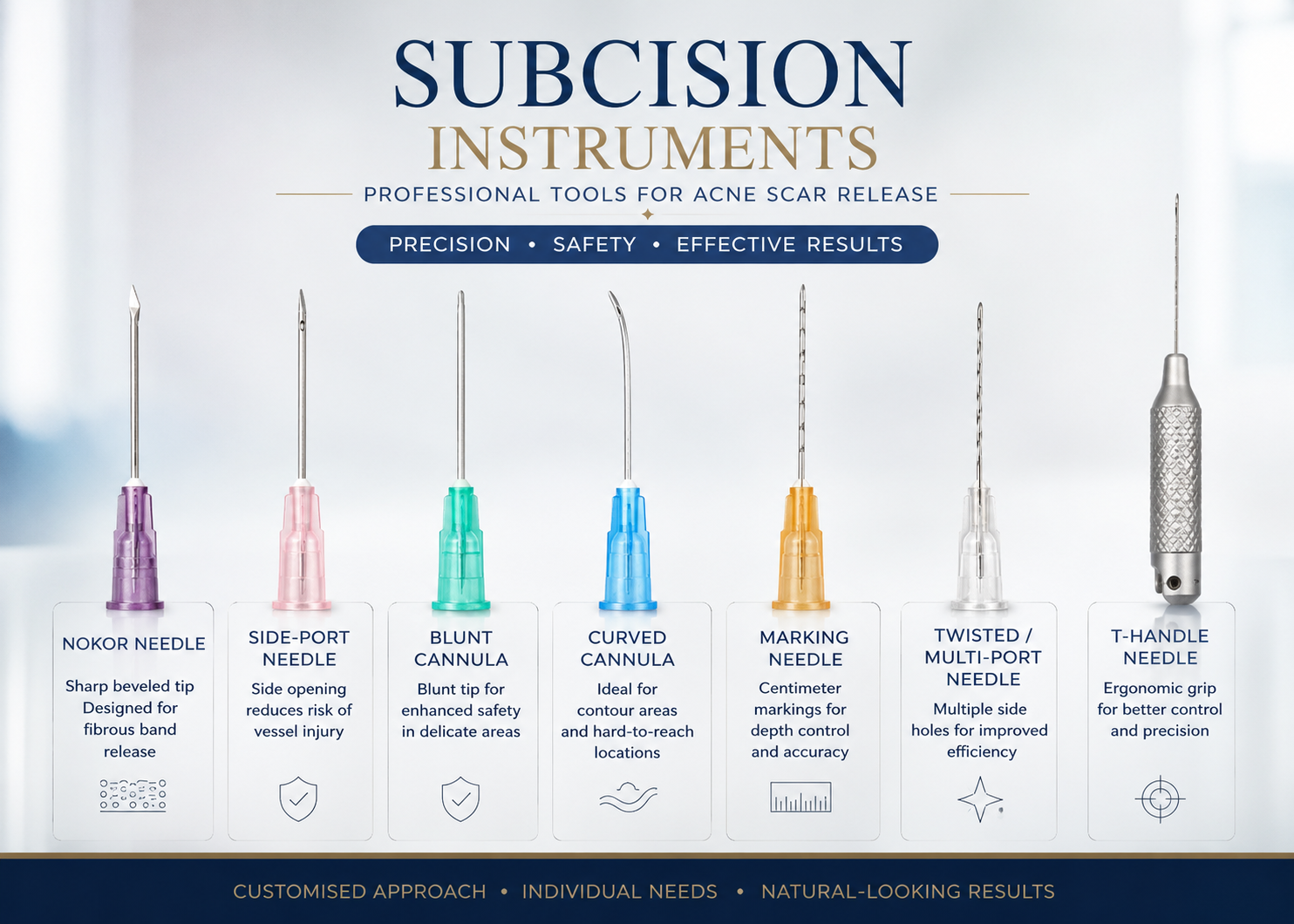
Blunt Cannula Subcision
Blunt Cannula Subcision, or Multilayer Microsubcision, is a technique in which the physician may use more than one type or size of needle or subcision instrument during the same procedure. A blunt cannula is one of the instruments that may be selected.
The blunt cannula can be used to perform a broader sweeping release underneath areas where multiple fibrous scar bands are connected. This technique allows the physician to release tethering across a wider treatment plane when the scar structure is suitable.
However, not every fibrous attachment can be effectively released using a broad sweeping motion. Some individual scars may have localized, deeper, or more resistant tethering and therefore require a more targeted release.
For this reason, the physician may change the size, shape, or type of needle or instrument according to the depth and structure of each scar. Different areas of the same face may therefore be treated using different instruments during one session.
Why Different Instruments May Be Used
- Blunt cannula: may be used for broader sweeping release of fibrous scar bands.
- More targeted needles or instruments: may be selected for scars that require localized or more precise release.
- Instrument size may be adjusted according to the depth, location, and degree of scar tethering.
- The technique is customized to the individual scar anatomy rather than relying on one needle for every treatment area.
The objective of Multilayer Microsubcision is to select the most appropriate instrument for each treatment plane and scar structure, allowing the physician to perform the release with greater precision rather than using a single standardized needle throughout the procedure.
Consult BAC Clinic
Contact us for acne scar assessment and personalized treatment planning.
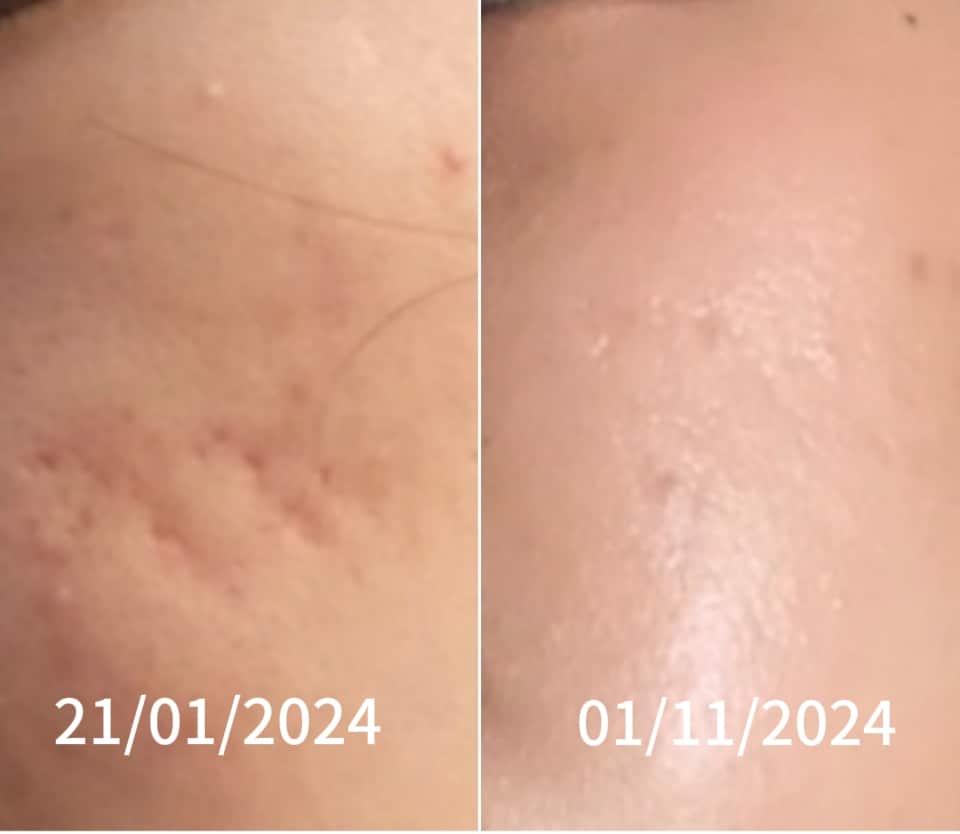
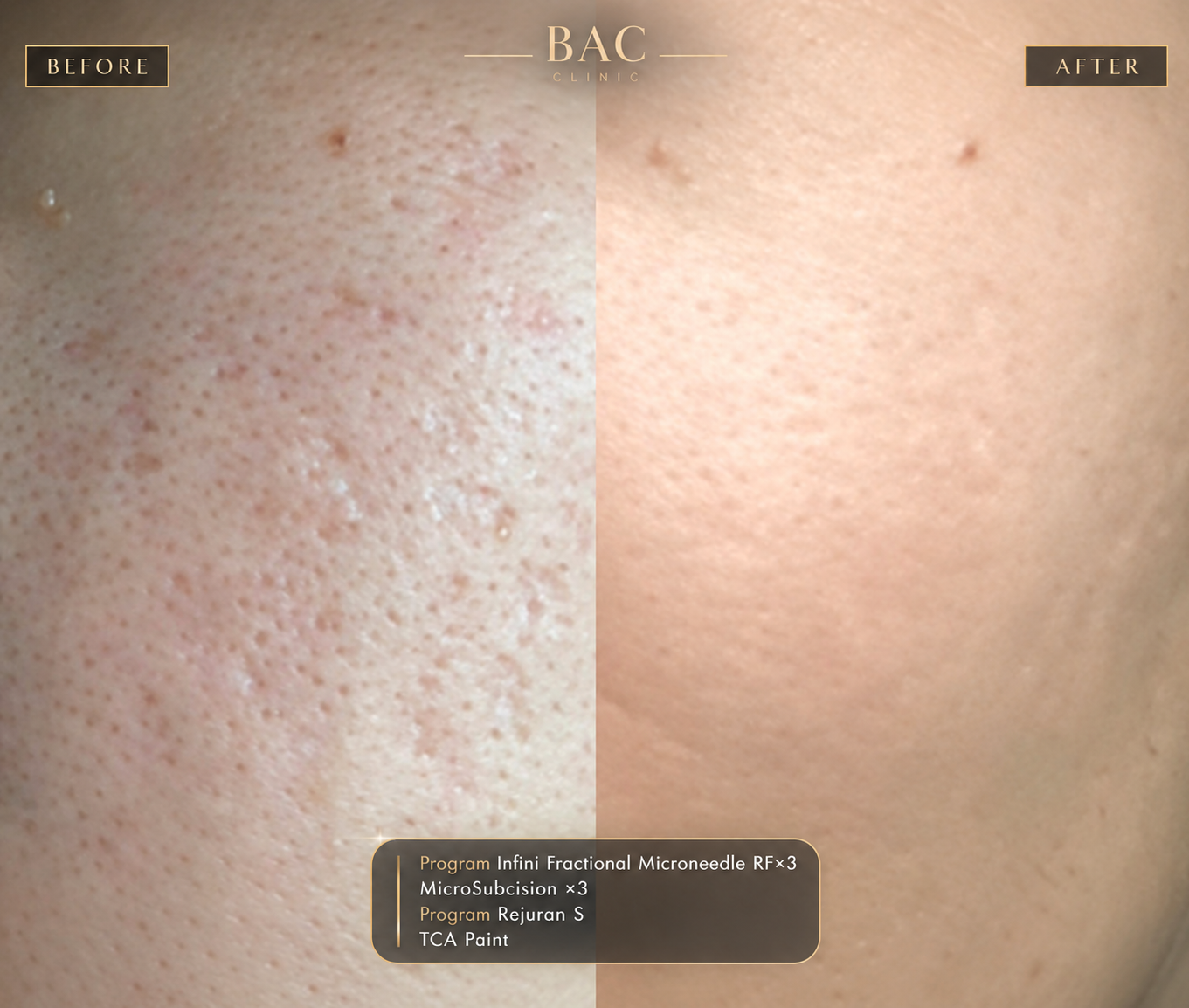
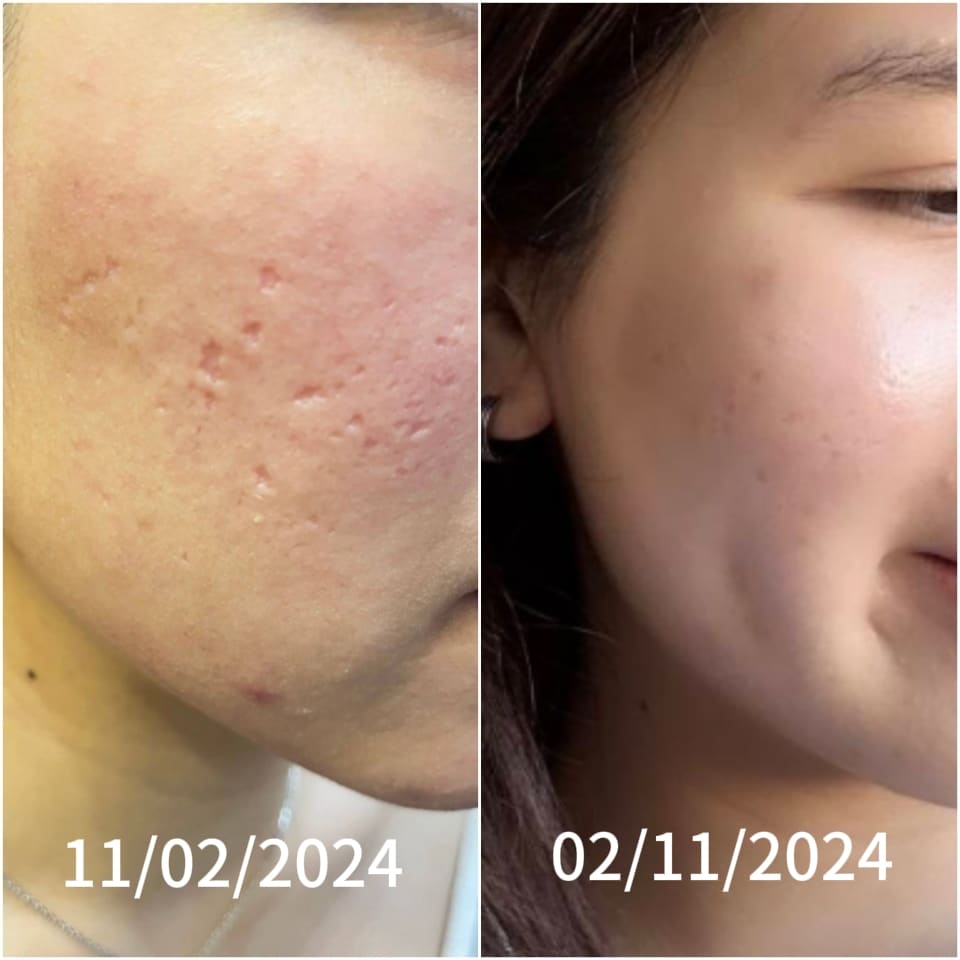
Subcision price in Bangkok at BAC Clinic
BAC publishes straightforward subcision pricing, with a lower add-on fee when subcision is combined with selected acne-scar procedures.
Final suitability and the number of areas treated are determined after assessment. Prices should be confirmed with the clinic before treatment in case promotions or service details change.
Subcision performed alone
For selected localized scars
Combined with Pico or INFINI RF
When combined with selected procedures
What to expect from a subcision appointment
Scar assessment
The clinician examines scar morphology, tethering, depth, prior treatment history and skin condition before choosing the treatment areas.
Procedure
After preparation and local anaesthesia, selected fibrous bands are released using an appropriate sterile instrument such as a cannula or needle technique.
Recovery & review
Temporary swelling, tenderness or bruising can occur. Improvement develops gradually, and additional sessions or complementary treatments may be considered.
How long is recovery after subcision?
Visible swelling or bruising commonly lasts several days. BAC generally advises clients to plan for approximately 3–7 days of visible recovery, although individual healing varies.
More extensive scar release can produce greater bruising or swelling. Always follow the specific aftercare instructions provided for your treatment.
Before your appointment
- Tell the clinician about medications, supplements, allergies and previous scar procedures.
- Active acne or skin infection may affect treatment timing.
- Do not assume every depressed scar needs subcision; scar tethering should be assessed first.
- Plan social downtime if you bruise easily.
Subcision Bangkok FAQ
What type of acne scars are best suited to subcision?
Subcision is most commonly considered for rolling and other depressed scars with fibrous tethering. Some boxcar scars may also benefit when tethering is present. Narrow ice-pick scars usually require another targeted method such as TCA CROSS.
Is subcision better than laser for acne scars?
They perform different roles. Subcision releases physical tethering beneath selected scars, while laser or RF-based treatments generally target surface or dermal remodeling. In mixed scars, the best plan may involve more than one technique.
Can subcision and RF microneedling be done together?
They can be combined or staged in selected cases. The sequence depends on scar type, skin condition, recovery time and the clinician’s treatment plan.
How many sessions of subcision will I need?
There is no fixed number for everyone. Scar depth, degree of tethering, previous procedures and individual healing all influence the number of sessions. Improvement is gradual and complete scar removal cannot be guaranteed.
Can I consult and have treatment on the same day?
Same-day treatment may be possible when the clinician confirms that the procedure is suitable and an appointment slot is available.
Where is BAC Clinic?
BAC Clinic (Bangkok Aesthetic Clinic) is located in Sukhumvit 16, Bangkok, near the Asok / Queen Sirikit National Convention Centre area.
Not sure whether your scars need subcision?
Start with scar-type assessment. Rolling, boxcar and ice-pick scars often require different treatment strategies, and mixed acne scars may need a combination plan.
- Subcision for Acne Scars Bangkok | Treatment & Price
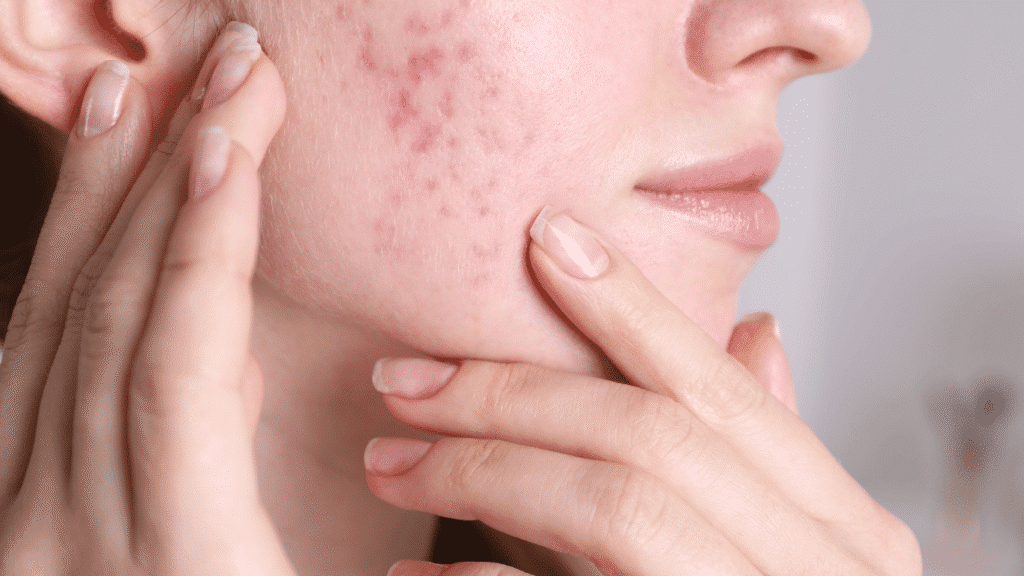 Discover how subcision helps improve tethered rolling and selected boxcar acne scars by releasing fibrous bands beneath the skin. This comprehensive medical guide from BAC Clinic Bangkok explains blunt cannula versus Nokor techniques, multilayer subcision, treatment outcomes, potential risks, downtime, and the benefits of combining subcision with INFINI Fractional RF Microneedling, TCA CROSS, and other personalized acne scar treatments. Explore treatment options, clinical evidence, pricing, and expert assessment at BAC Clinic in Sukhumvit 16, Bangkok.
 - แชมพูแก้ผมร่วงยี่ห้อไหนดี? ผมร่วงหนัก ผมบางจนเห็นหนังศีรษะ?
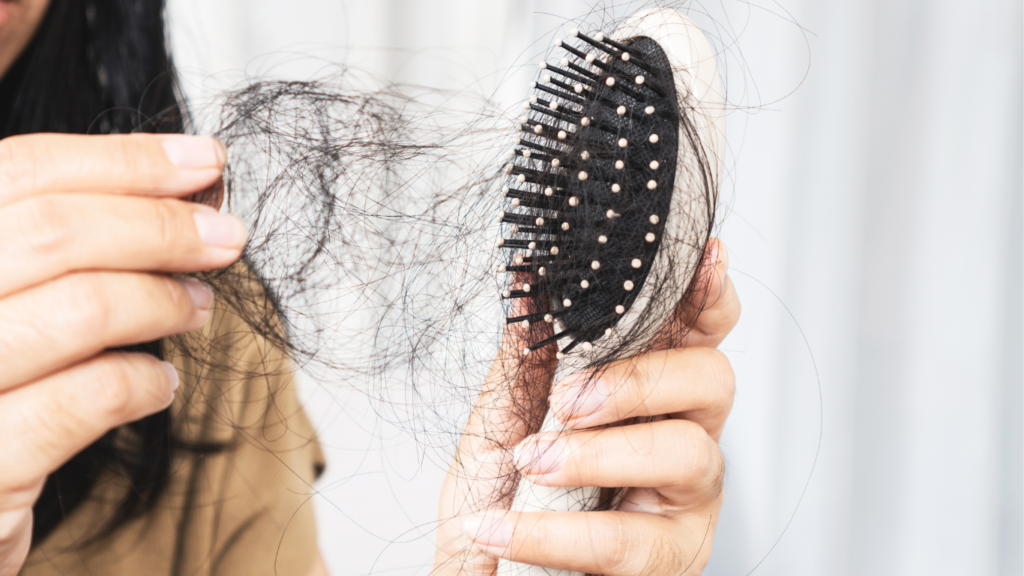 การเลือกแชมพูลดผมร่วงควรเริ่มจากเข้าใจหนังศีรษะและสาเหตุของปัญหา BAC Clinic พารู้จักความแตกต่างระหว่างผมขาด ผมหลุดร่วง และผมบาง ก่อนเปรียบเทียบแชมพู 8 สูตรแนะนำปี 2026 นำโดยแชมพูสองนาง อามาร่า พร้อมเจาะลึกพฤกษสาร 10 ชนิด สูตร 14-Free และแนวคิด Scalp First Care รวมถึงวิธีสระและจัดกิจวัตรดูแลเส้นผมอย่างเหมาะสม
 - Lipolysis Injection Bangkok | Targeted Fat Reduction
 Discover doctor-led lipolysis injection at BAC Clinic Bangkok for targeted fat reduction and face or body contouring. Compare Fat Off Premium, Neobella® and Red Lava, including key ingredients, prices, treatment areas, approximate intervals and the differences between each program.
 - ดริปวิตามิน Myers’ Cocktail เสริมภูมิคุ้มกัน เติมพลัง ลดความอ่อนล้า
 โปรแกรมให้วิตามินทางหลอดเลือด สูตร The Myers’ Cocktail เป็นหนึ่งในสูตร IV Vitamin Therapy ที่มีประวัติยาวนาน โดยมีวิตามินและแร่ธาตุเป็นองค์ประกอบสำคัญ เช่น Vitamin C, B Vitamins, Magnesium และ Calcium เหมาะสำหรับผู้ที่ต้องการเพิ่ม Wellness Routine และช่วงเวลาสำหรับการดูแลตัวเองจากภายใน บทความนี้รวบรวมที่มาของสูตร ส่วนประกอบ แนวทางการทำเป็นคอร์ส การเว้นระยะ ราคา และรายละเอียดโปรแกรมที่ BAC (Bangkok Aesthetic Clinic)
 - เมโสชาแนลคืออะไร? ทำไม NCTF® 135 HA จึงเป็น Skin Booster ที่ได้รับความนิยม
 โปรแกรมฉีดชาแนล NCTF® 135 HA Skin Booster 3 mL ที่ BAC Clinic Bangkok ช่วยดูแลความชุ่มชื้น ความเรียบเนียน ความกระจ่างใส และบริเวณใต้ตา ราคาเริ่ม 8,900 บาท
 - รักษาหลุมสิวที่ไหนดี? ทำไมหลายคนทำเลเซอร์หลายครั้งแต่หลุมยังไม่ดีขึ้น
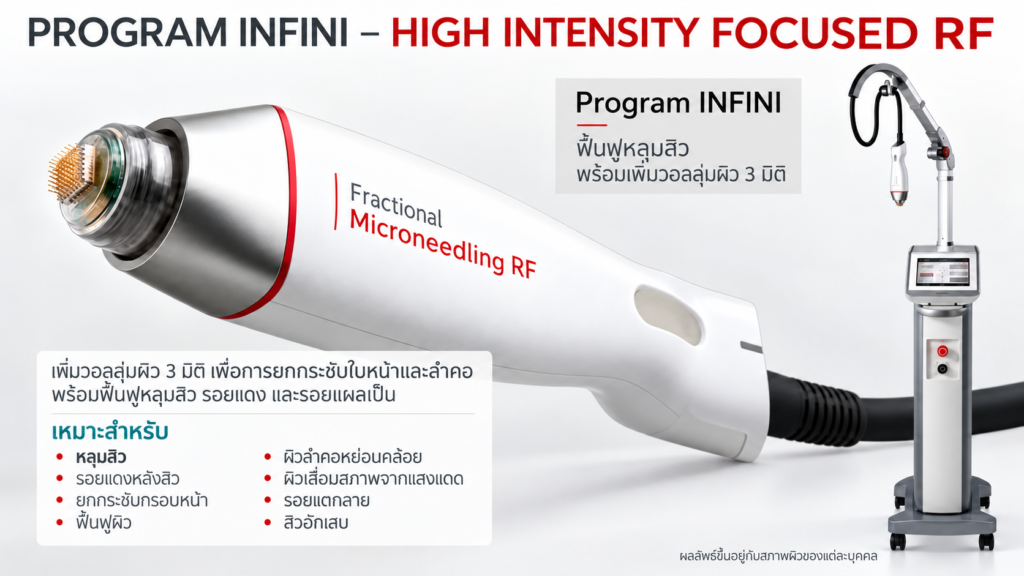 ทำไมรักษาหลุมสิวมาหลายครั้งแต่ผิวยังไม่เรียบ? เพราะปัญหาหลุมสิวไม่ได้อยู่เพียงผิวชั้นบน แต่เกี่ยวข้องกับ Dermis หรือชั้นหนังแท้ที่มีโครงสร้างคอลลาเจนอยู่ Program INFINI Fractional Microneedle RF ใช้ Microneedles นำพลังงาน RF ลงสู่ระดับความลึกที่กำหนด เพื่อกระตุ้น Dermal Remodeling พร้อมวางแผนร่วมกับ Subcision, TCA CROSS, Rejuran S, Biostimulator และคอลลาเจนสด ตามชนิดของหลุมสิว
 - CO2 Laser Bangkok for Mole & Skin Tag Removal | BAC Clinic
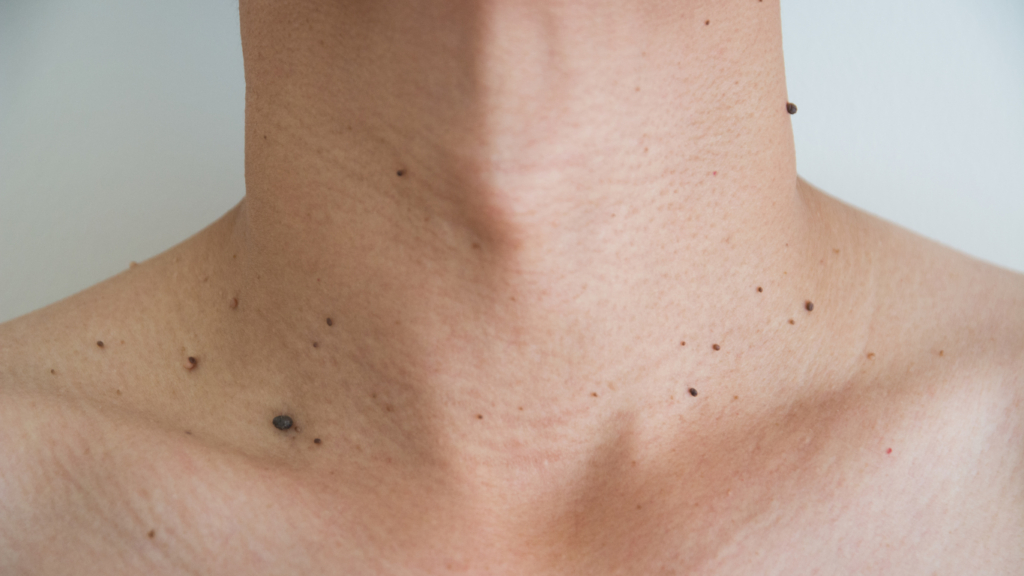 BAC (Bangkok Aesthetic Clinic) provides doctor-assessed UltraPulse CO₂ Laser treatment in Bangkok for selected benign skin lesions, including skin tags, suitable moles and beauty marks, seborrheic keratoses, certain warts, milia and other appropriate superficial growths. With adjustable CW and UltraPulse modes, treatment can be tailored according to lesion size, depth and location. Learn about the procedure, healing timeline, aftercare, pricing and how to book BAC Clinic in Sukhumvit 16.